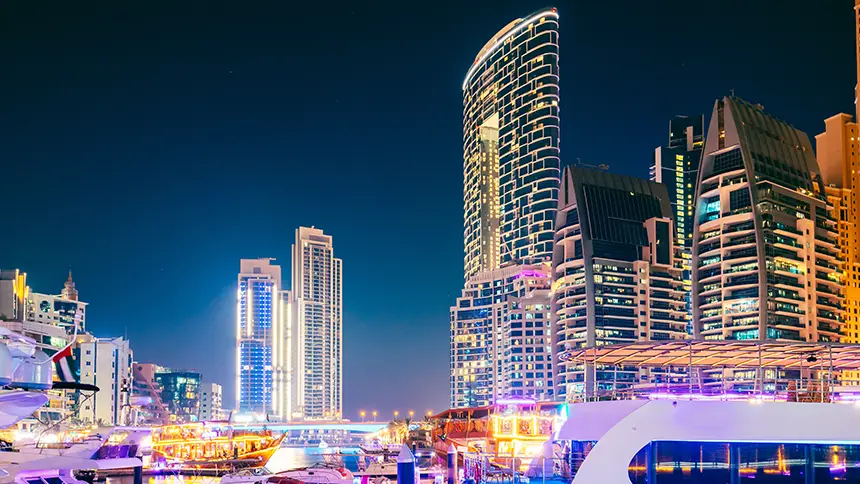
The United Arab Emirates is often admired for its modern skyline and innovative achievements, yet at its heart lies a rich cultural heritage that continues to shape its identity. Traditional music and dance are an important part of Emirati life, reflecting the spirit of unity, bravery, and celebration. Among these performances, Harbiya and Ayala stand out as iconic dances. They are not just entertainment but a way of connecting people with their history, values, and identity.
Both dances have roots in Bedouin traditions and carry messages of honor, courage, and community bonding. Today, they are performed at weddings, national celebrations, cultural festivals, and even at international events, where they showcase the richness of Emirati heritage to the world.
Harbiya: The Dance of Valor
Harbiya is one of the most popular traditional dances in the UAE, performed to celebrate moments of pride and victory. Its name is linked to the Arabic word “harb”, which means war, as it originally represented the spirit of warriors returning home after battles.
Origins and Meaning
Harbiya has its roots in Bedouin desert culture, where dances often mirrored daily life, struggles, and celebrations. Deeply connected to themes of strength, unity, and pride, it was traditionally a way for tribes to honor victories and major achievements, symbolizing the bravery of men who defended their land. Over time, this dance evolved from its warlike origins into a cultural performance, celebrated today as a powerful expression of national pride.
How Harbiya Is Performed
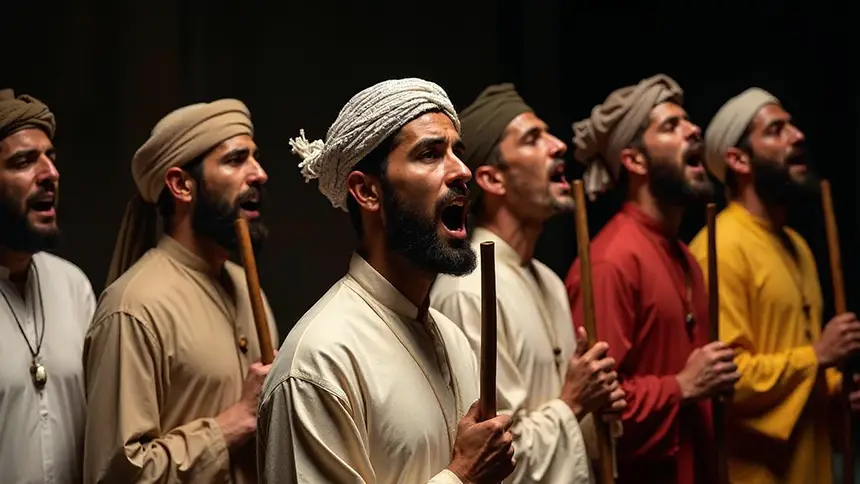
The Harbiya dance is simple but powerful, performed in groups to create a strong visual effect. Dancers usually form two parallel rows facing each other, swaying back and forth in rhythm with the slow, dignified beat of drums and chants. Wooden rifles, swords, or sticks are often carried as symbols of warrior courage, adding depth to the performance. Traditionally performed by men, Harbiya has also evolved in modern times to include women and children during cultural festivals, making it a vibrant expression of shared heritage.
Significance of Harbiya
- Symbol of Bravery: Reminds people of the sacrifices made by past generations.
- Unity: Brings men together in a shared rhythm, showing the strength of the group.
- Pride in Identity: Keeps Emirati culture alive in a modern, globalized society.
- Heritage Showcase: Regularly performed during UAE National Day and at global events like Expo 2020.
Where You Can See Harbiya Today
- National Day celebrations across the Emirates.
- Cultural festivals such as Al Dhafra Festival and Qasr Al Hosn Festival.
- Traditional weddings, where families bring performers to add grandeur.
- International stages, where Harbiya represents Emirati tradition.
Ayala: The Dance of Unity
Ayala is another iconic Emirati dance that captures the rhythm of heritage. Often called the “stick dance”, it is one of the most recognizable traditional performances in the UAE and across the Gulf region.
Origins and History
Ayala has its roots in ancient Bedouin traditions, where it was performed to mark victories, weddings, and important tribal events. Its name comes from the Arabic verb “Aala,” meaning to rise or lift, symbolizing the spirit of rising together in pride. Traditionally, the dance was closely tied to the idea of strength in numbers, reflecting how a community stands united as one.
How Ayala Is Performed
Ayala is more lively and energetic, performed with men standing in two rows facing each other while drummers and singers often take their place in between. Each dancer holds a thin bamboo stick symbolizing a spear, swaying forward and backward in rhythm and tapping the sticks to create a wave-like motion. The music is faster than Harbiya, driven by drums, tambourines, and chants that give the performance a festive atmosphere. At times, women join in by singing traditional songs, adding harmony and depth to the men’s dance.
Symbolism of Ayala
- Unity and Solidarity: Shows how tribes supported each other in times of need.
- Strength in Peace: Although it symbolizes war preparation, today it is a performance of joy and cultural pride.
- Celebration: Performed at weddings and festivals, it adds energy and happiness to the gathering.
Variations of Ayala
- Different emirates have their own styles of performing Ayala:
- Abu Dhabi Style: More formal and slow, focusing on synchronized movement.
- Dubai and Sharjah Style: Faster rhythm and stronger use of drums.
- Northern Emirates: Sometimes include poetry recitations during the performance.
Modern Performances of Ayala
- Featured during UAE National Day parades.
- Regularly performed for tourists in cultural villages.
- Showcased in international festivals to highlight Emirati heritage.
- Included in school programs to educate children about culture.
The Role of Music, Poetry, and Costume
Both Harbiya and Ayala are not just about dance. They include music, poetry, and traditional attire that complete the cultural experience.
Music
- Drums: The main instrument, creating rhythm and energy.
- Tambourines and Hand Claps: Add depth to the performance.
- Chants: Singers recite traditional verses praising courage, love, and heritage.
Poetry
- Traditional Nabati poetry is sometimes included, with verses that celebrate leaders, tribes, or important occasions.
- Poetry enhances the meaning of the performance, making it more than just movement.
Costumes
- Men wear the kandura (long white robe) and ghutra (headscarf), creating a uniform look.
- Sometimes, performers carry swords or rifles as props.
- The simplicity of the costume highlights the authenticity of the performance.
Importance of Harbiya and Ayala in Modern UAE
Even in today’s fast-paced society, these dances continue to play a crucial role in the UAE’s cultural life. They serve as powerful reminders of Emirati roots and heritage, while also standing as symbols of national pride during celebrations such as National Day. Beyond their cultural importance, these dances attract tourists who seek authentic experiences and are used in schools and cultural programs to educate younger generations. On the global stage, events like World Expos and cultural exchange festivals showcase Harbiya and Ayala as vibrant expressions of Emirati tradition, allowing the world to witness the spirit of unity and identity they represent.
Comparison Between Harbiya and Ayala
Although these dance performances may appear similar at first, they carry different meanings and styles. Harbiya is a dance of pride and valor, performed with rifles, swords, or sticks in hand, moving to a slow and dignified rhythm that symbolizes the courage of warriors. In contrast, Ayala is more lively and festive, using thin bamboo sticks and faster beats to highlight unity, joy, and solidarity. Harbiya is often seen during national celebrations and formal events, while Ayala is commonly performed at weddings, festivals, and cultural gatherings. Together, they represent two sides of Emirati heritage: one reflecting bravery and honor, and the other celebrating community and togetherness.
Conclusion
Traditional dances like Harbiya and Ayala are more than performances; they are living traditions that carry the heart of Emirati culture. Harbiya reflects the courage and pride of warriors, while Ayala highlights unity, solidarity, and celebration. Together, they keep the spirit of the past alive while adapting to the present.
In a country known for modern skyscrapers and global achievements, these dances remind everyone of the deep roots that support national identity. They bring joy at weddings, pride during national celebrations, and wonder to tourists who witness them.
By keeping Harbiya and Ayala alive, the UAE ensures that its story is told not only through buildings and technology but also through music, movement, and tradition. These dances are simple, beautiful, and timeless, just like the culture they represent.