Falafel, a beloved dish across the Middle East, has gained immense popularity in the United Arab Emirates. Known for its crunchy texture, rich flavor, and versatility, it is more than just street food; it reflects centuries of cultural exchange and regional culinary influence. In the UAE, this dish has found a unique place in the modern dining scene, blending traditional roots with local tastes.
Origins of Falafel
It traces back to the Levant region, including countries such as Egypt, Lebanon, Syria, and Palestine. Though its exact origin is debated, it is widely recognized as a traditional Middle Eastern dish made from chickpeas, fava beans, or a combination of both. Historically, it was a convenient, protein-rich meal for workers and travelers.
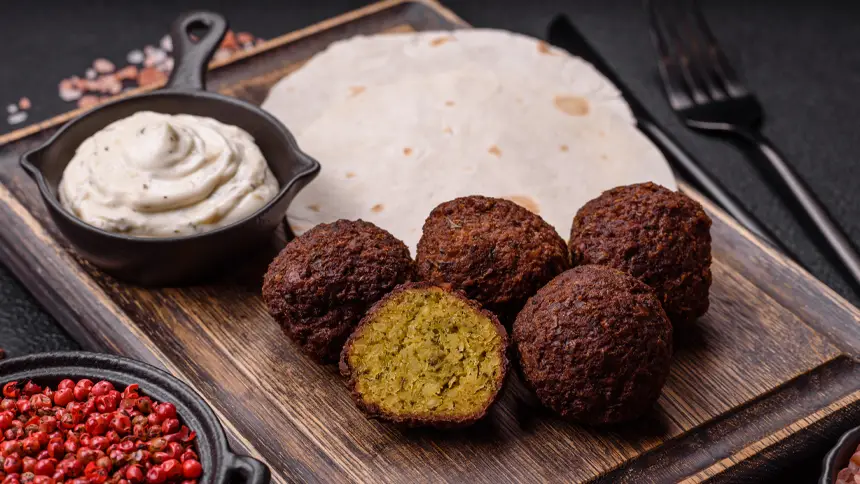
It is made from ground legumes, herbs, and spices, which are shaped into small patties or balls and then deep-fried or baked to a golden, crispy perfection while remaining soft inside. Traditionally served with bread, fresh vegetables, and various sauces, it is a versatile and satisfying meal. In the UAE, falafel maintains these traditional qualities but has also adapted to local tastes and ingredients, serving as a culinary bridge between heritage and the modern food culture of the region.
Ingredients
The simplicity of falafel ingredients is part of its charm.
- Chickpeas or fava beans: The primary base, soaked overnight and ground into a coarse paste.
- Herbs: Fresh parsley, coriander, and sometimes mint enhance the aroma and freshness.
- Spices: Cumin, coriander powder, paprika, and black pepper provide warmth and depth.
- Binding agents: onions, garlic, and occasionally flour or breadcrumbs help hold the mixture together.
Preparation
The preparation requires skill to achieve the perfect texture and flavor.
- Soak the legumes overnight for softness.
- Grind them with herbs, spices, and aromatics.
- Form small balls or patties.
- Fry until crisp on the outside, soft on the inside.
- Serve immediately with accompaniments like tahini, pickles, and fresh vegetables.
In the UAE, chefs sometimes experiment with additional ingredients, such as cheese, sweet potato, or spices inspired by Emirati cuisine, giving a unique twist to this classic dish.
Falafel and Emirati Cuisine
Although falafel is not originally Emirati, it has become an integral part of the country’s diverse food culture. The UAE’s cosmopolitan population, including large communities from Lebanon, Egypt, and Syria, has helped popularize the dish. It can be found in street stalls, fast-food restaurants, fine dining establishments, and even food festivals.
- Street food culture: Quick, affordable, and satisfying meals for busy locals and tourists.
- Modern adaptations: Gluten-free or baked versions cater to health-conscious diners.
- Fusion cuisine: Some restaurants pair it with local spices or Emirati bread for a distinctive experience.
Its presence in the UAE reflects the nation’s openness to global culinary influences while celebrating Middle Eastern heritage.
Cultural Significance
Beyond its delicious taste, falafel carries significant cultural importance in the UAE. It represents hospitality, often being served during gatherings, family meals, or community events, and reflects heritage by connecting residents and visitors to the broader Middle Eastern culinary tradition. For expatriates from the Levant region, it serves as a familiar comfort food that evokes a sense of identity. Additionally, it symbolizes sustainability, as its main ingredients, chickpeas and herbs, are plant-based and nutritious, making it a popular choice among vegetarians and environmentally conscious consumers.
Popular Variations in the UAE
The UAE offers a range of falafel styles, showcasing both traditional and contemporary methods.
- Classic: Traditional chickpea or fava bean balls served with tahini sauce.
- Baked: Healthier version with less oil, retaining crunch and flavor.
- Stuffed: Filled with cheese, herbs, or nuts for a creative twist.
- Mini bites: Served as appetizers or finger food in restaurants and cafés.
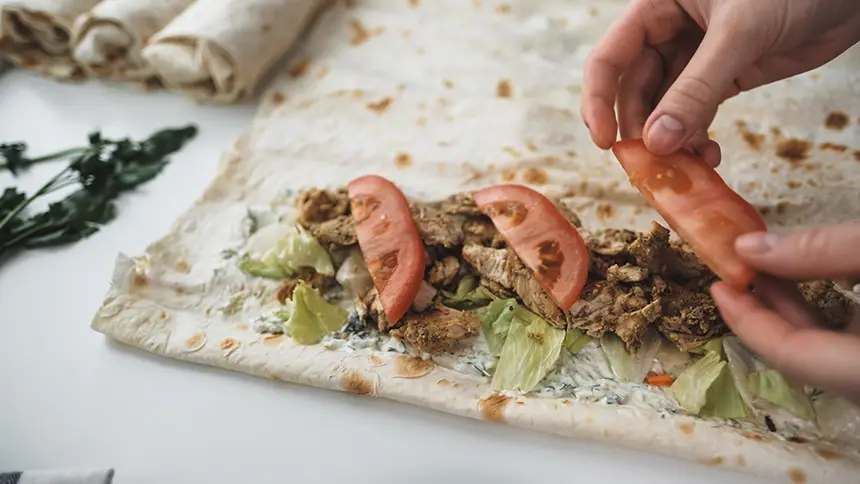
- Fusion wraps: Combined with local sauces, salads, and bread to create unique sandwiches.
These variations highlight the UAE’s culinary diversity and its adaptability to modern tastes.
Falafel in Emirati Restaurants
Many restaurants across the UAE specialize in falafel, offering it in both casual eateries and upscale dining settings. Local chefs often experiment with presentation and ingredients, creating gourmet versions with exotic herbs and spices, pairing it with fresh salads, hummus, or pickled vegetables, and including it in buffet spreads designed for international tourists. The growing popularity of the dish in the UAE reflects a broader culinary trend of embracing regional dishes while catering to diverse global tastes.
Nutritional Value
Falafel is not only delicious but also nutritious. Its primary ingredients provide:
- Protein: Chickpeas and fava beans are rich in plant-based protein.
- Fiber: Promotes digestion and long-lasting energy.
- Vitamins and minerals: Includes folate, iron, magnesium, and B vitamins.
- Healthy fats: When prepared with minimal oil or baked, it is a wholesome choice.
In the UAE, this nutritional profile aligns with the growing demand for healthy and balanced meals, especially in urban areas like Dubai and Abu Dhabi.
Street Food and Tourism
It is a favorite among tourists exploring the UAE’s vibrant food scene, with street vendors and local markets offering authentic versions that create an immersive cultural experience. From Dubai’s bustling souks and food stalls serving freshly fried falafel with rich sauces to Abu Dhabi’s culinary tours featuring traditional Middle Eastern dishes, the dish remains a highlight at food festivals across the country. Tourists appreciate it not only for its delicious flavor but also for the story it tells about the region’s rich culinary heritage.
Global Influence and Modern Trends
It has transcended regional boundaries, inspiring global adaptations. In the UAE, modern food trends have influenced how the dish is served:
- Vegan-friendly menus: Popular in cafés catering to health-conscious consumers.
- Fusion flavors: Chefs mix it with international spices or ingredients like avocado, beetroot, or quinoa.
- Convenience products: Frozen falafel balls and ready-to-eat wraps for busy residents.
These trends ensure falafel remains relevant and accessible in an evolving culinary landscape.
Challenges and Preservation
Despite its popularity, maintaining authentic falafel traditions in the UAE faces several challenges. Commercialization has led to mass production, which can sometimes compromise quality and traditional flavors. Ingredient sourcing also plays a role, as the use of imported or processed ingredients may alter the original taste profile. Additionally, changing consumer habits and fast-paced lifestyles have reduced the appreciation for freshly prepared dishes. However, chefs and food enthusiasts across the UAE continue to promote traditional cooking methods while embracing innovation, ensuring that the cultural significance of the dish is preserved for future generations.
Conclusion
Falafel is more than just a meal in the UAE, it is a symbol of regional culinary influence, cultural connection, and adaptability. From traditional recipes to modern fusion versions, the dish has successfully integrated into the UAE’s diverse food culture. Its presence in street markets, cafés, and fine dining shows that falafel is both a comfort food and a gourmet delight. For locals and visitors alike, it offers a taste of Middle Eastern heritage while reflecting the dynamic culinary landscape of the UAE.