In today’s world, sustainable transportation has become very important as cities look for ways to reduce pollution and protect the environment. Many people are now showing a growing interest in car-free lifestyles, choosing to walk, cycle, or use modern transit services instead of driving everywhere. This change not only helps the planet but also encourages healthier and more active living. Dubai, a city known for its tall buildings and busy roads, is also making a strong shift towards eco-friendly mobility. The government has invested in urban mobility systems such as the Metro, trams, and buses, making travel easier and cleaner for residents. New cycling tracks, pedestrian-friendly areas, and electric scooter zones show that the city is becoming more supportive of sustainable travel. With these improvements, living car-free in the emirate is increasingly becoming a practical and environmentally responsible choice for many people.
Public Transport Options in Dubai
Dubai offers a wide range of public transport options that make travelling around the city easy, comfortable, and environmentally friendly. The government has created a modern and well-connected system that includes the Metro, Tram, buses, and marine transport. These services help residents move between business areas, residential communities, and tourist spots without relying on private cars. With clean stations, organised schedules, and affordable fares, the city’s public transport system supports a more sustainable lifestyle while reducing traffic and pollution.
Dubai Metro
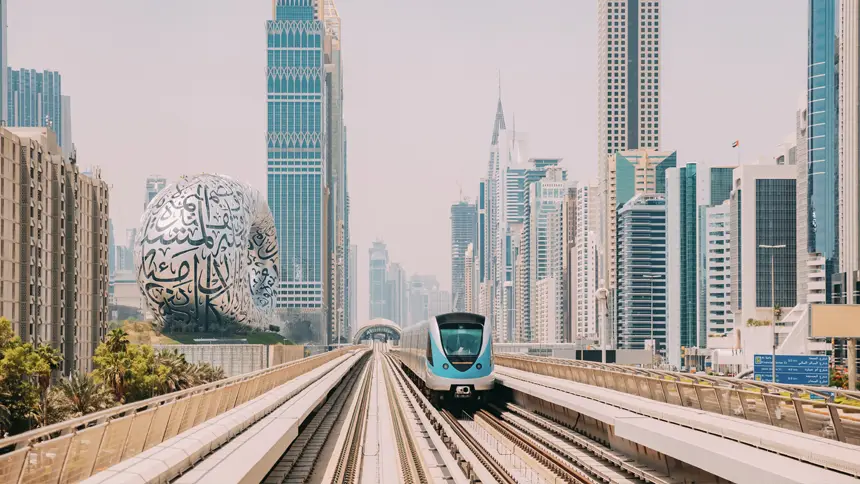
The urban rail network is one of the fastest and most reliable ways to travel across the city. It connects major business areas, shopping centres, and residential neighbourhoods, making daily travel easy for both students and workers. Because it is fully automated and runs on a fixed schedule, passengers can depend on it for quick and comfortable journeys without worrying about traffic.
Dubai Tram
The modern tram system offers smooth and eco-friendly travel, especially in busy areas like Dubai Marina and JBR. It is designed to make short-distance trips easier and more convenient, especially for people who live or work in these popular districts. The tram helps reduce traffic on the roads and provides a clean, modern way to explore the waterfront communities.
Public Buses
The local bus service has an extensive network that reaches almost every part of the city. Buses are affordable, well-maintained, and accessible for all residents, making them a popular choice for daily commuting. They also connect smoothly with the Metro and Tram, allowing passengers to travel anywhere in the city with ease.
Marine Transport
Marine transport in the region includes water buses, abras, and ferries that offer scenic and efficient routes across the waterways. These options are especially useful for crossing Dubai Creek or travelling along the coastline. For many residents and tourists, marine transport provides a peaceful and enjoyable way to see the city while avoiding road traffic.
Eco-Mobility Trends
Eco-mobility is becoming increasingly important in Dubai as the city works to reduce pollution and encourage healthier lifestyles. Many residents are now choosing cleaner ways to travel, such as cycling, walking, and using eco-friendly travel modes. These options make short trips easier while also supporting a more sustainable and active way of living. With new paths, safety measures, and modern rental services, eco-mobility is becoming a practical part of daily life in the metropolitan area.
Cycling
Cycling is growing in popularity in the city thanks to dedicated cycling tracks built across different neighbourhoods. These tracks make riding safer and more enjoyable for people of all ages. The city also offers convenient bike rental and sharing services, allowing residents and tourists to easily hire a bicycle using mobile apps. This makes cycling a simple, healthy, and eco-friendly way to travel short distances.
Walking-Friendly Areas
The urban environment is creating more walking-friendly areas by improving pavements and developing pedestrian zones. These spaces encourage people to walk comfortably and safely, whether they are going to school, shopping, or exploring the city. Safe crossings and shaded pathways help protect pedestrians from traffic and the hot weather, making walking a pleasant and practical option for daily activities.
E-Scooters
E-scooters have become a popular choice for short-distance travel in the area. They can be rented through app-based services, making them easy to use for quick trips around neighbourhoods. E-scooters help reduce traffic and provide a fun, efficient, and environmentally friendly way to move around, especially in busy or urban areas.
Benefits of Living Car-Free in Dubai
Living car-free in Dubai offers many important benefits for both residents and the environment. One of the biggest advantages is the reduced carbon footprint, as choosing shared mobility services, cycling, or walking helps lower pollution and supports a cleaner, healthier city. Without a car, people can also enjoy significant cost savings, as they no longer have to pay for fuel, parking fees, regular servicing, or expensive maintenance. This makes everyday life more affordable, especially for students, families, and young professionals. Another key benefit is the improvement in personal health.
Walking and cycling as part of daily routines help people stay active, build fitness, and enjoy more time outdoors. These simple habits can lead to better physical and mental well-being. Living without a car also means experiencing less traffic stress. Residents do not have to worry about heavy congestion, long queues, or searching for parking spaces. Instead, they can relax by using public transport options like the Metro, buses, trams, and e-scooters. Overall, choosing a car-free lifestyle in this Gulf city can lead to a cleaner environment, better health, and a more peaceful and budget-friendly way of living.
Government Efforts Towards Sustainable Mobility
The Dubai government has made strong efforts to support sustainable mobility and create a cleaner, more efficient transport system for everyone. One of the main steps has been investing in public transport networks such as the Dubai Metro, Tram, and eco-friendly buses, all designed to reduce pollution and provide reliable travel options. These modern services encourage people to choose greener commuting choices instead of driving, helping to lower traffic levels and protect the environment. The government has also focused on expanding cycling and pedestrian infrastructure across the emirate. New cycling tracks, improved pavements, and wider pedestrian zones make it easier and safer for residents to walk or cycle as part of their daily routines.
In addition, shaded pathways and safe crossings help people feel more comfortable travelling without a car. Alongside these developments, local authorities have introduced green mobility policies and smart city initiatives to promote sustainable living. These include electric scooter zones, smart traffic systems, and long-term plans to reduce carbon emissions. By combining advanced technology with eco-friendly planning, the region aims to build a future where transport is clean, efficient, and accessible to all. These efforts show the territory’s commitment to creating a healthier and more sustainable environment for its residents and visitors.
Conclusion
Dubai has made impressive progress in promoting eco-mobility, thanks to its modern public transport systems and growing support for sustainable travel options. With the Metro, Tram, buses, cycling tracks, pedestrian zones, and e-scooters, the city now offers many convenient ways to move around without depending on a private car. These improvements show that a car-free lifestyle is becoming increasingly realistic and comfortable for residents. People can save money, reduce pollution, and enjoy a healthier and less stressful daily routine. Looking ahead, the emirate’s future in sustainable transport appears very promising. The government continues to invest in clean mobility programmes and smart city technologies that will make travel even more efficient and environmentally friendly. As the city grows, eco-friendly transport will play a key role in building a cleaner, smarter, and more sustainable Gulf destination for future generations.