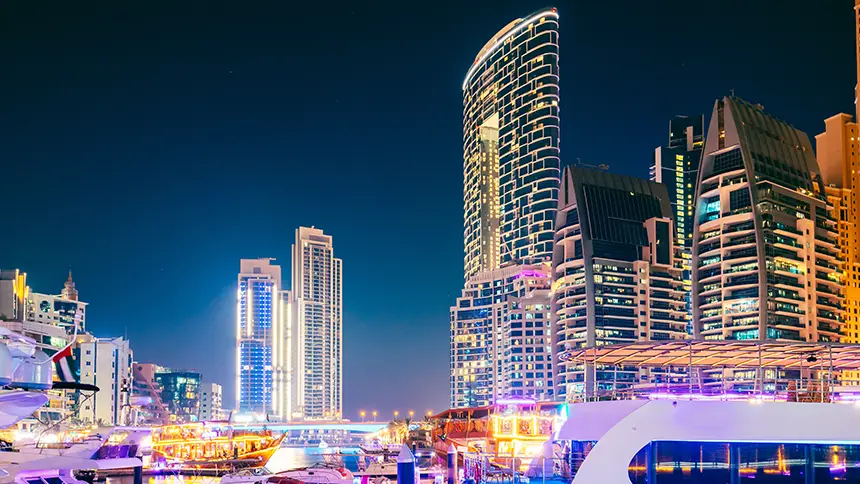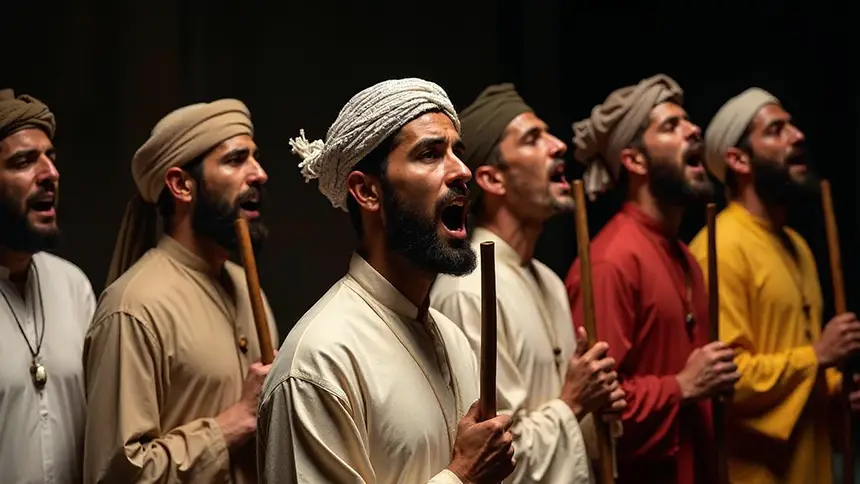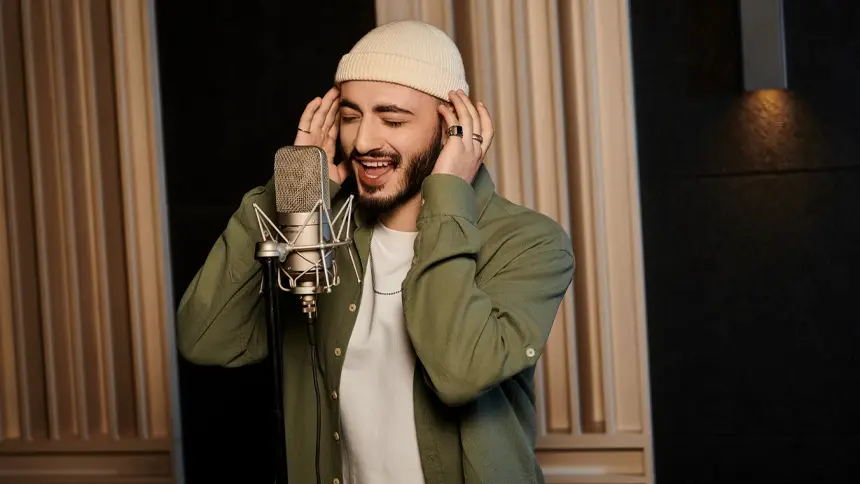
Over the last decade, the United Arab Emirates has become one of the most exciting creative hubs in the Middle East. While the country is known for film events, live shows, and digital festivals, a powerful cultural wave is now shaping its youth scene: Arabic rap and hip-hop. A generation of performers is building a fresh identity, expressing personal stories, and pushing regional music forward.
How the UAE Became a Base for Modern Rap
The United Arab Emirates became a base for modern rap because its entertainment scene is open to global ideas, giving young talent space to experiment. A diverse mix of cultures, strong digital access, and supportive creative venues helped the genre grow. Local audiences also became more confident in supporting artists who express identity and daily life. As a result, UAE hip-hop developed its own style, blending Arabic rhythms, Gulf dialects, and modern beats into a fresh and original sound.
Themes Driving UAE Hip-Hop Culture
UAE-based rappers often mix social commentary with emotional storytelling. Their music covers both personal and cultural experiences.
Common themes
- Identity and belonging: Artists express what it means to grow up between cultures or return to heritage after years abroad.
- Urban life: Tracks describe city nights, friendships, ambition, and the pressure to succeed.
- Pride in heritage: Many performers highlight regional traditions, dialects, and classical Arabic expressions.
- Dreams and challenges: Lyrics speak about work, obstacles, self-belief, and the desire to break barriers.
- Global influence with local roots: Beats may sound modern, yet the message is tied to community and home.
These themes resonate strongly with young listeners, creating a shared musical language.
Pioneers and Notable Names in the UAE Scene
The United Arab Emirates has produced an impressive group of Arab and Arab-expat rappers who perform in Arabic, English, or both. They are shaping the sound of the region and attracting international attention.
Famous and rising talents
Freek
- A Somali-Emirati rapper based in the UAE.
- Known for mixing drill beats with Arabic lyrics.
- Gained huge popularity with tracks linked to sports events and car culture.
- His energetic style has spread across the Gulf.
The Synaptik
- A Jordanian-Palestinian rapper who frequently performs in the UAE.
- Blends singing and rap with emotional, sharp storytelling.
- Collaborates with local and international artists.
Tac
- A UAE-based performer recognised for English-language rap.
- Features strong lyrical skills and intelligent wordplay.
- Popular among younger audiences searching for modern sounds.
Lil Eazy
- A Dubai-raised rapper with bold delivery.
- Known for trap-style music and powerful stage presence.
- Often participates in regional events and youth-focused festivals.
Seki Supervillain
- A rising Emirati name experimenting with alternative hip-hop.
- New, edgy beats and creative visuals.
- Represents the experimental side of the UAE underground.
Moh Flow
- A Syrian artist living in Dubai.
- Smooth vocals, clean production, and emotional writing.
- Performs widely across UAE entertainment venues and lounges.
These performers have helped the country build a solid reputation for original Arabic rap.
The Role of Social Media and Streaming
Social media and streaming play a major role in the rise of UAE hip-hop, giving artists visibility long before they reach big stages. Online platforms provide instant exposure through short clips and trends, while visually striking music videos shot around the United Arab Emirates strengthen each artist’s identity. These digital spaces also make collaboration easier, connecting rappers with producers across the region and beyond. With analytics showing what listeners prefer, musicians can refine their sound. Overall, the internet transformed local talent into regional and international voices without relying on traditional gatekeepers.
Venues, Festivals, and Cultural Spaces Supporting the Movement
The UAE hosts several spaces where hip-hop thrives. These areas allow performers to train, experiment, and engage with their audience.
Important spaces
- Cultural districts: Areas like Alserkal Avenue and creative clusters in Abu Dhabi and Sharjah encourage art, music, and independent expression.
- Youth festivals: Events featuring graffiti, dance battles, and rap competitions give new talents a chance to shine.
- Nightlife spots: Clubs and lounges across Dubai and Abu Dhabi host regular hip-hop nights.
- Community centres: Workshops help young rappers learn writing, sound production, and performance skills.
- University stages: Student-run events bring fresh voices into the spotlight.
These spaces build confidence and showcase local stories.
The Influence of Dance, Fashion, and Street Culture
Hip-hop in the UAE goes beyond music and has grown into a full lifestyle shaped by dance, fashion, and street creativity. Streetwear styles like hoodies, sneakers, and bold prints are common in performances and online content, while breakdance crews bring energy to malls, public spaces, and talent events. Colourful graffiti and murals brighten creative districts and give visual character to the culture, and independent designers often collaborate with rappers to craft unique looks. Even skateboarding and BMX appear in videos and shows, adding to the dynamic atmosphere. Together, these elements highlight the global spirit of hip-hop while giving it a strong local identity.
How the UAE Scene Connects With the Rest of the Region
Arabic rap has grown rapidly across the Middle East, and the United Arab Emirates serves as a key hub connecting artists and audiences. Musicians from North Africa, the Levant, and the Gulf often come together in Dubai to collaborate, while modern studios attract producers and filmmakers from across the region. Cross-border concerts frequently feature top performers from neighbouring countries, and brands and festivals use the UAE as a platform to reach wider audiences. With its strategic location and strong entertainment infrastructure, the country has become a central link in the Arabic rap scene.
The Future of UAE Arabic Hip-Hop
The next few years look promising. More young people are entering the industry, and public interest is growing.
Expected developments
- Stronger Emirati identity: More performers will highlight local dialects and stories.
- Bigger live shows: Hip-hop concerts may become part of major festivals.
- Investment in training: Workshops and music schools will help new talent improve skills.
- Global recognition: With streaming growth, UAE rappers can reach wider international audiences.
- Creative partnerships: Fashion, gaming, film, and sports brands may work more closely with rappers.
The movement has only started, and its future looks bright.
Conclusion
Arabic rap and hip-hop in the UAE are growing fast. Young artists are sharing their feelings, their dreams, and their culture through music. They mix modern beats with local stories, creating a new sound that feels fresh and honest. With support from social media, creative districts, and festivals, more musicians are finding the courage to step on stage. The UAE is becoming one of the leading homes of Arabic rap, and the next generation will make the movement even stronger.