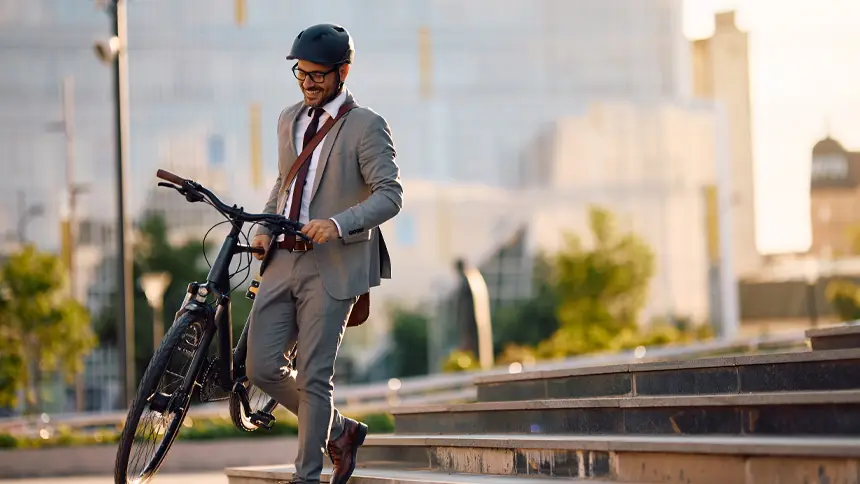
Abu Dhabi is entering a new chapter in its daily movement culture. The city, known for its modern skyline and long avenues, is now encouraging residents to choose healthier, cleaner, and more flexible ways to travel. One of the most visible changes is the growing interest in cycling to work. What started as a small habit among fitness lovers has grown into a wider lifestyle pattern. Today, bicycles are shaping morning routines, office commutes, and even weekend plans across the capital.
Why Cycling Is Becoming Part of Daily Life
Cycling is becoming a daily habit because people want healthier routines, less stressful travel, and more eco-friendly choices. New city projects, changing work patterns, and rising interest in outdoor fitness make riding a practical option. It saves money, avoids traffic, and supports cleaner air, while also fitting well with the region’s growing wellness culture. Overall, personal goals and modern infrastructure are pushing more residents to choose bicycles for everyday movement.
Infrastructure Making the Transition Possible
Abu Dhabi is making cycling easier by building safe, smooth, and well-planned routes across the city. Long-distance tracks now link major neighbourhoods, while dedicated lanes protect riders from fast traffic. Clear signs help guide people to offices, parks, and transport hubs, and well-paved paths make the ride more comfortable. Night lighting improves safety after sunset, and bike-sharing stations placed near popular areas offer convenient access for those without their own bicycles. Altogether, these upgrades highlight the city’s strong commitment to creating a modern, cyclist-friendly environment.
How Cycling Shapes the Workday
Commuting by bicycle changes more than just the route to work. It influences mood, energy levels, and time management throughout the day.
Positive Workday Effects
- Better morning alertness: Physical activity improves focus before meetings.
- Steady energy: Light movement in the morning and evening supports a balanced schedule.
- Reduced frustration: Riders skip long queues and crowded parking spots.
- Improved punctuality: Travel time becomes more predictable.
- A refreshing end to the day: The ride home acts as a natural stress release.
The overall impact is a more enjoyable routine with fewer moments of irritation.
Social Changes
Cycling is creating noticeable social changes as more residents embrace it as part of their routine. What was once a solo activity is now becoming a shared experience through group rides, weekend events, and active online communities where riders exchange tips and routes. Families also join evening rides, strengthening their time together, while regular cyclists often meet familiar faces along the paths, forming new friendships. Altogether, this growing habit is helping build a more connected and friendly atmosphere across the city.
Environmental and Urban Benefits
Cycling is not only good for individuals, it also helps the city grow more sustainably. Every person who chooses a bicycle instead of a car contributes to a cleaner environment and smoother road flow.
Citywide Advantages
- Reduced emissions: Fewer cars mean lower carbon output.
- Better air quality: Cleaner air supports public wellness.
- Quieter mornings: Less engine noise leads to calmer neighbourhoods.
- Improved road efficiency: Traffic congestion decreases.
- Longer lifespan for roads: Less heavy vehicle use protects road surfaces.
These outcomes support Abu Dhabi’s long-term environmental and urban development plans.
Challenges Riders Still Face
Despite the strong growth of cycling in the city, riders still face several challenges that can affect their daily commute. High temperatures during hotter months make long rides difficult, and some routes lack shade for added comfort. Busy business districts create heavy traffic that can feel overwhelming for new cyclists, while older buildings often have limited secure parking for bicycles. Occasional roadwork also disrupts dedicated lanes. These issues don’t stop people from riding, but overcoming them will make the transition much easier and more attractive for future cyclists.
Solutions and Supportive Measures
Several ongoing initiatives are helping make cycling a more comfortable and practical choice for residents. Cooling stations along key routes and shaded paths in new neighbourhoods offer relief during warm months, while public showers near offices make commuting by bike more convenient. Educational programs promote safe riding habits, and rental options give workers access to bicycles without needing to buy one. Many employers also encourage cycling through wellness rewards or transport benefits. Together, these supportive measures motivate people to adopt a bicycle-focused routine.
Choosing the Right Bicycle for a Smooth Commute
The ideal bicycle depends on the rider’s comfort, the distance travelled, and the type of road surface. Understanding these details helps riders decide wisely.
Popular Options
- Hybrid bikes: Good for mixed city surfaces and medium distances
- Road bikes: Lightweight and fast, ideal for longer routes
- Electric bikes: Provide extra assistance on hot days
- Foldable bikes: Useful for individuals who combine cycling with buses or taxis
- Cruiser models: Comfortable for short, relaxed rides
Trying a few models before buying ensures a comfortable daily experience.
Safety Practices Every Rider Should Follow
Safety is a major priority in any growing cycling culture. Simple rules keep riders secure and help create a respectful environment on the roads.
Essential Safety Habits
- Wear a helmet every time
- Check tires and brakes before leaving home.
- Keep a steady pace and avoid sudden turns
- Use hand signals to show direction changes
- Stay in designated lanes
- Wear reflective items at night
- Keep a small repair kit in your bag
- Follow all traffic signs and instructions
Careful riding not only protects the cyclist but also supports a smooth urban flow.
How Cycling Enhances Lifestyle Quality
Cycling offers more than just a way to get from one place to another; it adds emotional, physical, and financial benefits to daily life. Many people notice a smoother routine because the steady movement helps create a stronger daily rhythm. Since travel time becomes more predictable, riders often gain extra free time that would have been spent sitting in traffic. They also save money by reducing fuel use and avoiding parking fees, while enjoying more moments outdoors.
This shift also brings a sense of independence, as cyclists avoid congested roads and move at their own pace. Fitness naturally improves without the need for structured workouts, and the fresh air helps boost mood and motivation. By turning ordinary commutes into active, enjoyable experiences, cycling adds both energy and balance to everyday living.
The Future of Cycling in Abu Dhabi
With growing interest and continuing infrastructural investment, cycling will likely become a significant feature of the capital’s transport identity. In the coming years, the city is expected to introduce more lanes, shaded corridors, and modern parking hubs. As companies adopt wellness-friendly policies and technology-driven rental systems expand, the number of daily riders will rise steadily.
Cycling may eventually become one of the most common ways to travel short to medium distances across the capital, complementing public transport and reducing overall road pressure.
Conclusion
Cycling to work in Abu Dhabi is more than a fitness trend, it is a lifestyle transformation supported by strong city planning, changing personal priorities, and a growing appreciation for outdoor living. Riders enjoy better health, calmer mornings, more predictable travel, and a deeper connection to the surrounding community. As development continues, this shift will strengthen, bringing cleaner air, smoother roads, and a more active everyday culture.