Cheese has travelled across continents, shaped by climate, craft, and long-standing tradition. In many regions, especially the Middle East, it holds emotional, social, and culinary value. Today, specialty shops are helping new generations explore this heritage while introducing flavours from distant places. This article looks at how these stores function, why people love them, and how Middle Eastern cheese culture continues to influence modern food habits.
The Rise of Speciality Cheese Shops
These shops have become more common in busy cities and quiet neighbourhoods. These stores focus on offering unique, high-quality dairy products that regular markets rarely carry.
What Sets Them Apart
- Curated Selections: Instead of mass-produced options, they offer carefully chosen varieties from different countries.
- Skilled Staff: Knowledgeable workers help buyers understand flavour, age, and best serving ideas.
- Quality Storage: Controlled environments keep texture and taste in ideal condition.
- Personal Service: Customers often receive tasting samples, pairing advice, or cooking suggestions.
- Local and Imported Choices: Items from small farms sit next to cheeses flown in from Europe, Africa, or nearby Arab countries.
Why People Love These Stores
People enjoy these shops because the visit itself feels special. Browsing unique shapes, colours, and textures is almost like walking through a food museum. Customers appreciate discovering new dairy traditions, tasting flavours not usually found in supermarkets, enjoying fresher products, and feeling part of a small community that loves quality food.
A Deep Look Into the Cheese Culture
Cheese in the Middle East has been part of daily life for thousands of years. Shepherd societies in the region used milk from goats, sheep, and cows to create nutritious, lasting food. Over centuries, every area developed its own methods, shapes, and uses.
Cultural Significance
It is more than a dish; it symbolises hospitality, comfort, and shared meals. Breakfast platters, family gatherings, festive evenings, and even quick snacks often include a daily element. Many households keep a favourite cheese in saltwater or wrapped in cloth for regular use.
Common Features
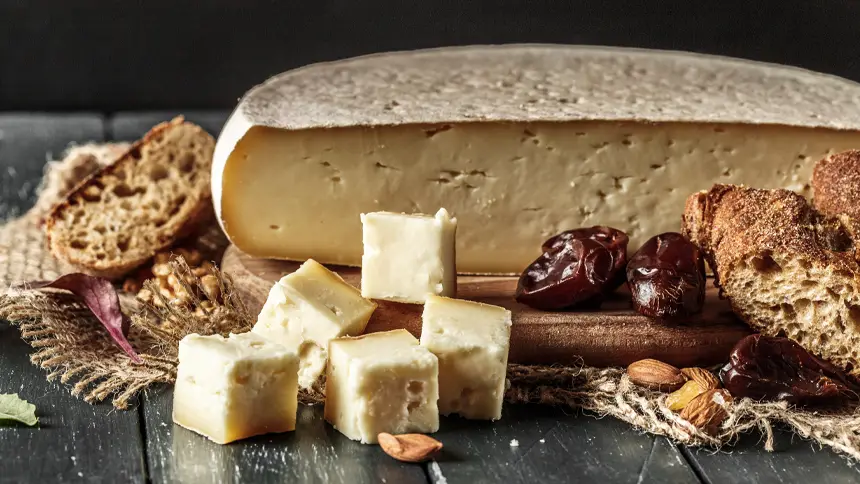
Middle Eastern cheeses are usually fresher and less aged than European varieties, often stored in brine for a mild or salty taste. They are commonly made from goat or sheep milk, though cow milk is now widely used. Many are created to withstand heat for grilling or frying, and they are often enjoyed with herbs, olives, bread, or sweet items like jam and dates.
Popular Cheeses from the Region
Halloumi
Halloumi is known for its firm shape and ability to stay solid when heated. It is excellent for grilling, pan-frying, or using in sandwiches. Its briny taste works well with fresh vegetables, mint, or citrus.
Ways to Enjoy Halloumi
- On salads
- In wraps
- With watermelon
- As a breakfast side
- In small skewers with vegetables
Labneh
Labneh is a thick, creamy strained yoghurt often eaten with olive oil and herbs. It is smooth, light, and ideal for spreading.
Common Uses
- On warm bread
- With cucumbers, tomatoes, or olives
- As a dip seasoned with spices
- Rolled into small balls preserved in oil
Akkawi
Akkawi offers a gentle, slightly salty flavour, making it perfect for pastries, pies, or daily snacks. Its stretchy texture also works in desserts like knafeh.
Nabulsi
Nabulsi cheese is firm, salty, and typically flavoured with mahleb or nigella seeds. It keeps its shape when cooked and is a key ingredient in many sweet and savoury dishes.
Baladi
Baladi is fresh, soft, and mildly tangy. It is often eaten at breakfast and enjoyed with pickles, herbs, and flatbread.
The Craft Behind Middle Eastern Cheesemaking
Cheesemaking here combines ancient techniques and the local environment. Farmers pay close attention to milk quality, temperature, and timing.
Traditional Steps
- Heating the Milk: Warmed gently over a flame
- Coagulation: Using natural rennet or plant-based coagulants
- Curd Cutting: Slicing into cubes to release whey
- Straining: Removing liquid through cloth
- Salting: Adding salt for flavour and preservation
- Storing in Brine: Extending shelf life in hot climates
The craft survives because families pass down cheesemaking knowledge through generations. Local tastes and a preference for fresh, simple flavours also keep demand strong.
How Speciality Shops Celebrate Middle Eastern Cheese Traditions
Speciality shops celebrate the traditions by showcasing classic cheeses in appealing displays, offering tastings, featuring small authentic producers, and providing educational materials like labels and workshops. They also teach pairing ideas with bread, fruit, nuts, and spices. This helps young urban residents reconnect with ancestral flavours and understand the origins of local dishes.
Fusion of Global and Middle Eastern Flavours
Today’s kitchens blend culinary traditions. Chefs mix it with global ingredients to create new flavours.
Trending Fusion Ideas
- Halloumi tacos
- Labneh bowls with Asian toppings
- Pizza with Nabulsi or Akkawi
- Cheese-stuffed dates covered in nuts
- Labneh cheesecake with saffron or rose
Fusion works because fresh dairy balances strong spices and soft textures contrast nicely with crispy layers. Using regional ingredients also adds depth to international dishes.
Why Speciality Cheese Shops Continue to Grow
Speciality shops continue to grow because they offer more than ordinary grocery items. Their popularity is driven by rising interest in artisanal food, social media influence on gourmet trends, growing tourism in Middle Eastern cities, a wider appreciation for global flavours, and a demand for healthier, natural products.
Customers also enjoy the personal experience these shops provide. Shoppers can connect with skilled cheesemongers, learn about farming and production, find unique gifts for special occasions, and taste products before making a purchase.
How Cheese Strengthens Social Life
It is part of many warm, friendly gatherings. People use it to bring groups together.
Social Moments Enhanced by Cheese
- Brunch with family
- Outdoor picnics
- Evening boards with olives, nuts, and fruits
- Festive holidays
- Home cooking lessons among friends
Emotional Value
Comfort food plays a strong role in memories. Cheese, with its gentle taste and handmade quality, often reminds people of grandparents, village life, and peaceful mornings.
Tips for Choosing Cheese in Speciality Shops
Buying will become easier when shoppers know what to look for.
Simple Tips
- Smell gently to check freshness
- Ask staff about origin
- Taste before selecting
- Match the cheese with the dish you want to make
- Store each type properly at home
Storage Advice
- Keep soft types in airtight containers
- Keep brined varieties of their liquid.
- Wrap firm blocks in breathable paper
- Avoid mixing strong and mild types together
Conclusion
Speciality cheese shops help people explore flavours from many countries while keeping Middle Eastern traditions alive. These stores give buyers tasty food, fun learning, and a warm experience. This culture has deep roots, and its ingredients fill daily meals with comfort and joy. When people taste halloumi, labneh, akkawi, or other regional favourites, they enjoy it more than food, they enjoy a story that has travelled through time. Speciality shops protect this story, share it with new generations, and keep the love for cheese growing.