The food scene in the United Arab Emirates is changing in exciting ways. Along with fine dining, street snacks, and international cuisine, fermented and probiotic foods are becoming part of everyday eating. Items like kombucha, kimchi, kefir, and cultured vegetables are now found in cafés, supermarkets, and home kitchens. People are choosing these foods not only for taste but also for their connection to digestion and overall wellness.
Understanding fermented and probiotic foods
Fermentation is a traditional food process that uses natural bacteria to transform ingredients over time, enhancing flavour, texture, and shelf life. Probiotic foods contain live cultures that may help support digestion when consumed regularly. Common examples include fermented vegetables like kimchi and sauerkraut, cultured dairy products such as yogurt and kefir, probiotic-rich beverages including kombucha and water kefir, and traditional pickles prepared through natural methods. Although these foods have existed for generations, interest in them has grown as more people seek natural, lightly processed choices for everyday eating.
Why these are growing in the UAE
Several factors explain the rising interest in fermented items across the country.
Health awareness
More residents are paying attention to what they eat. Many look for foods that feel light, natural, and supportive of digestion. Probiotic-rich items fit well into this mindset, especially when compared to heavily processed snacks.
Cultural diversity
The UAE is home to people from many countries. Each culture brings its own food traditions. Korean, Japanese, Middle Eastern, and European communities all have long histories of fermentation. This mix makes it easier for such foods to become mainstream.
Lifestyle changes
Busy schedules have increased demand for ready-to-eat and drink options. Bottled kombucha, drinkable yogurt, and pre-packed fermented vegetables offer convenience without losing a sense of quality.
Kombucha: the drink leading the trend
Kombucha is a lightly fermented tea with a tangy taste and gentle fizz. It has become one of the most popular probiotic drinks in the UAE.
Why do people enjoy kombucha?
- Refreshing alternative to soft drinks
- Lower sugar compared to many sodas
- Available in fruit, herb, and spice flavours
- Often seen as a lifestyle drink rather than medicine
Kombucha is widely available across the UAE and can be found in organic and health-focused stores, supermarkets with premium beverage sections, cafés that feature wellness menus, and even fitness studios or juice bars. In addition to imported options, several local brands now produce kombucha within the country, adjusting flavours to suit regional preferences and local tastes.
Kimchi and fermented vegetables on the rise
Kimchi is a traditional Korean dish made from fermented cabbage or radish, mixed with spices and seasonings. It has moved from being a niche product to a common side dish in many homes and eateries.
The popularity of kimchi continues to grow as Korean restaurants expand across major cities and introduce more people to its bold flavours. At the same time, fusion kitchens are using kimchi in creative ways, adding it to burgers, wraps, and rice bowls to give familiar dishes a new twist. Many home cooks are also trying small-batch fermentation, making kimchi in their own kitchens and adapting recipes to suit personal taste preferences.
Other fermented vegetables are also gaining attention:
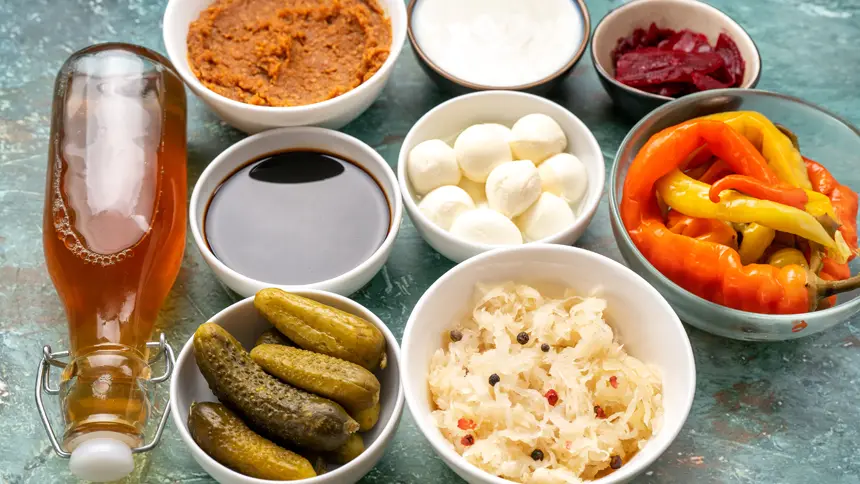
- Sauerkraut
- Naturally pickled cucumbers
- Spiced carrots and mixed vegetables
These foods add strong flavour, texture, and depth to meals.
Cultured dairy and plant-based options
Yogurt has always been part of local diets, but new versions are attracting interest.
Modern yogurt choices
- Greek-style thick yogurt
- Drinkable yogurt for busy mornings
- Flavoured varieties with natural ingredients
Kefir, a probiotic-rich milk drink, is also becoming more visible. It has a slightly sour taste and thinner texture than yogurt.
Non-dairy alternatives
To meet different dietary needs, producers now offer:
- Coconut or almond-based yogurt
- Oat-based cultured drinks
- Water kefir made without milk
These choices make probiotic-rich foods accessible to more people.
Who is buying probiotic-rich foods?
Different groups are helping drive this movement.
- Health-focused individuals who prefer natural eating
- Young professionals looking for convenient wellness products
- Food lovers curious about global flavours
- Expat families seeking familiar traditional items
Social media also plays a role. Online recipes, food blogs, and short videos show easy ways to use fermented ingredients at home.
How restaurants and shops are responding
Food businesses in the UAE are responding quickly to changing consumer preferences by including more fermented options in their offerings. Many restaurants now add fermented sides to main dishes, use ingredients such as kimchi, miso, or pickled vegetables to enhance flavour, and offer kombucha as a refreshing beverage choice alongside traditional drinks. These additions allow chefs to introduce bold tastes while meeting growing interest in probiotic-rich foods.
Retail stores are also adjusting to this demand by expanding chilled sections dedicated to live-culture products. Supermarkets stock a mix of imported and locally made fermented foods, while smaller pack sizes help first-time buyers try these items with ease. In addition, farmers’ markets and pop-up events play an important role by giving small producers a platform to sell limited-batch probiotic-rich foods directly to consumers.
Tips for buying and using fermented foods
If you are new to these items, a few simple steps can help.
When shopping
- Check labels for storage instructions
- Choose mild flavours at first
- Start with small portions
At home
- Keep products refrigerated if required
- Use clean utensils when serving
- Add fermented sides gradually to meals
Easy pairing ideas
- Kimchi with rice or flatbread
- Kombucha with lunch or as an evening refresher
- Yogurt with fruit or grains
- Pickled vegetables with grilled dishes
These foods work best as part of a balanced diet.
Challenges in the market
Despite growing interest, there are still obstacles.
- Price – Artisanal or imported fermented foods can be costly. This may limit regular use for some households.
- Storage – Live-culture products need proper refrigeration. Not all shops or homes manage this equally well.
- Knowledge gap – Some consumers are unsure how much to eat or how often. Clear guidance from brands and sellers can help.
- Regulation – Producers must follow food safety rules and avoid making unclear health claims. This requires care and responsibility.
Future outlook in the UAE
The future of Live-culture foods in the UAE looks positive, with the trend expected to keep growing. More local production may help lower costs, while new flavours designed for regional tastes are likely to appear. Fermented snacks, sauces, and wider use of these items in casual dining menus are also expected, making probiotic-rich foods part of everyday meals rather than occasional choices.
Conclusion
Fermented and probiotic foods are finding a strong place in the UAE’s modern food culture. Drinks like kombucha and dishes such as kimchi are no longer rare. They are part of daily meals, café menus, and shopping baskets. People enjoy them for taste, variety, and the idea of supporting digestion in a natural way. While there are challenges like price and storage, interest continues to grow. With more local makers, better understanding, and wider availability, fermented foods are set to stay. Trying them slowly and enjoying their flavours is a simple way to explore this healthy food trend.