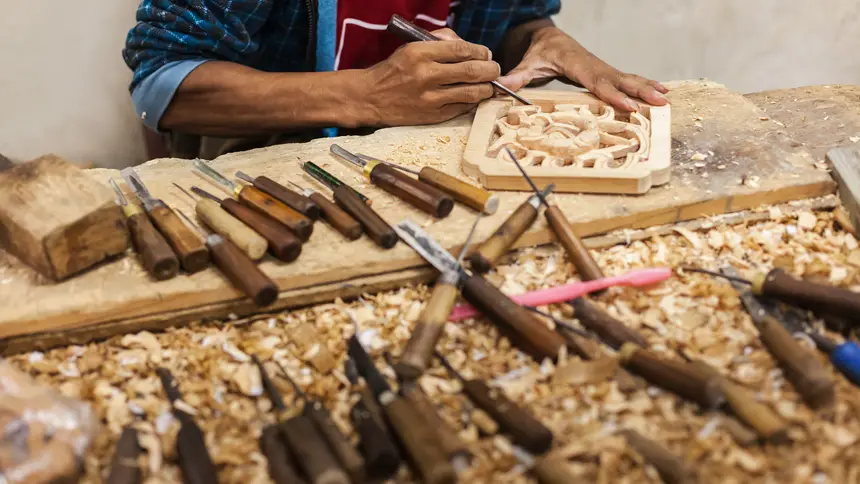
Fujairah is known for its mountains, coastline, and strong cultural identity. Beyond tourism and trade, the emirate also holds great potential in traditional skills and handmade products. Local craftsmanship is more than a cultural expression; it is a growing business opportunity. From pottery and weaving to metalwork and palm-based items, these crafts reflect history while offering income possibilities for residents and entrepreneurs. As global consumers increasingly value handmade and authentic goods, Fujairah’s local crafts can play an important role in economic growth.
Understanding Local Craftsmanship in Fujairah
Local craftsmanship refers to handmade products created using traditional techniques passed down through generations. In Fujairah, these skills are closely linked to daily life, nature, and heritage.
Common forms of craftsmanship
- Palm leaf weaving
- Traditional pottery
- Fishing-related tools
- Handmade jewellery
- Textile and embroidery work
- Wooden household items
Each craft tells a story about the land, sea, and people. These products are often made using natural materials found locally, making them both cultural and environmentally friendly.
Why Craftsmanship Has Business Value
Craft products are no longer viewed only as decorative souvenirs. Today, many buyers look for items that feel personal, ethical, and meaningful. This change in consumer behaviour has increased the market value of handmade goods. Craft-based businesses offer unique products that stand out from mass-produced items, often made in limited quantities, which naturally raises their worth. Their strong cultural identity creates an emotional connection with customers, making each purchase feel special. Since handcrafted items are difficult to copy, artisans gain a clear advantage in niche markets where originality matters.
Growing Demand for Handmade Products
Interest in handmade products is growing across the world. Consumers are increasingly choosing goods that feel authentic and support local communities. Fujairah’s traditional craftsmanship fits perfectly into this global trend. The demand is driven by a preference for sustainable products, a growing interest in cultural heritage, support for small-scale producers, and a desire for originality. Tourists visiting Fujairah often seek locally made items as lasting memories of their journey, while online shoppers search for traditional crafts from different regions, opening doors to markets beyond the local area.
Support from Government and Institutions
Local authorities in Fujairah understand the importance of protecting cultural heritage while encouraging economic development. As a result, various initiatives support craft-based businesses. These include training workshops, cultural festivals, artisan markets, financial assistance programs, and promotion through tourism platforms. Museums and cultural centres also play an important role by showcasing traditional skills and educating the public. Such efforts make it easier for artisans to overcome challenges, improve their skills, and reach a wider audience.
Employment and Income Opportunities
Craftsmanship creates employment without the need for large financial investment. Many craft activities can begin from home or small workshops, making them accessible to a wide range of people. These businesses provide self-employment opportunities and offer income for women and young people, along with flexible working hours and family participation. Craft enterprises help diversify income sources, especially in rural and coastal areas, while strengthening community ties through shared learning and cooperation.
Role of Tourism in Craft Business Growth
Tourism plays a major role in expanding the market for local crafts. Visitors often look for products that represent the culture and identity of the place they visit. This creates opportunities through souvenir shops, hotel retail spaces, airport outlets, and cultural exhibitions. Live craft demonstrations further enhance the visitor experience by showing how products are made. When tourists witness the creative process, they are more likely to buy the items and recommend them to others.
Digital Platforms and Online Sales
Technology has opened new paths for artisans to grow their businesses. Online platforms allow craft producers to reach customers around the world without high operating costs. Digital selling offers access to international markets, direct communication with buyers, and strong brand-building opportunities. Social media plays a key role by helping artisans share their stories, showcase their work process, and create emotional connections with customers. With the right online presence, even small producers can build loyal audiences and achieve long-term success.
Sustainable and Eco-Friendly Advantage
Many traditional crafts use natural or recycled materials. This aligns well with modern sustainability values.
Environmental benefits
- Reduced waste
- Low energy use
- Natural raw materials
- Minimal pollution
Eco-conscious buyers prefer such products, giving Fujairah crafts an edge in green markets. Sustainability also supports long-term resource protection.
Challenges Faced by Craft Businesses
Although local craftsmanship holds strong potential, artisans face several challenges that can slow growth. Many craft producers have limited knowledge of marketing and branding, which makes it difficult to reach wider audiences. Competition from low-cost imported goods also puts pressure on prices and sales. In addition, demand can be inconsistent, especially outside peak tourist seasons. Another challenge is the lack of modern design adaptation, which may reduce appeal among younger customers. Training programs and mentorship support can help artisans improve business skills, while blending traditional techniques with contemporary styles can attract new markets.
Innovation and Modern Design Integration
To remain competitive in today’s market, traditional crafts must evolve while keeping their cultural identity intact. Innovation plays a vital role in this process. Updating colours, patterns, and forms helps products feel fresh and relevant. Creating functional items that fit modern lifestyles increases daily use and demand. Collaboration with professional designers brings new perspectives, while improved packaging enhances product presentation. These changes allow crafts to suit contemporary homes without losing their heritage value, increasing overall appeal while preserving authenticity.
Investment Potential for Entrepreneurs
Craftsmanship offers opportunities not only for artisans but also for entrepreneurs and investors. Business involvement can include production management, branding development, and distribution networks. Possible models range from artisan cooperatives and dedicated craft retail brands to export-focused ventures and experience-based workshops for visitors. Low startup costs and rising interest in handmade products make this sector attractive. Partnerships with local producers also promote ethical practices and ensure fair income distribution, creating inclusive and sustainable business growth.
Cultural Preservation Through Business
Successful craft businesses help protect traditional skills from disappearing. When craftsmanship provides a steady income, younger generations are more motivated to learn and continue these practices. This leads to knowledge transfer, heritage preservation, and a stronger sense of community pride. Commercial activity transforms crafts from fading traditions into active industries that adapt to modern needs while maintaining cultural continuity.
Future Outlook for Craftsmanship in Fujairah
The future of local craftsmanship in Fujairah appears promising. With proper support, the sector can become a meaningful contributor to the local economy. Growth is driven by expanding tourism, improved digital access, rising sustainability awareness, and strong cultural branding. By combining tradition with innovation and clear business strategies, Fujairah has the potential to establish itself as a recognised centre for authentic handmade products.
Conclusion
Local craftsmanship in Fujairah is more than a cultural symbol. It is a valuable business opportunity with economic, social, and environmental benefits. Handmade products connect people to heritage while offering income and employment. With growing demand, government support, tourism influence, and digital access, craft-based businesses can thrive. By respecting tradition and embracing modern ideas, Fujairah’s artisans and entrepreneurs can build a sustainable future.