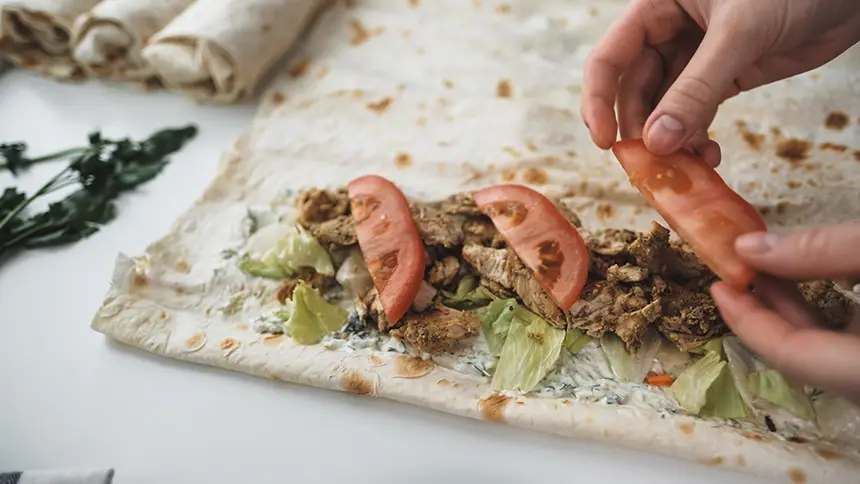
Ras Al-Khaimah (RAK), one of the fastest-developing emirates in the United Arab Emirates, is seeing significant changes in the food habits of its residents. While traditional Emirati dishes like machboos, harees and fresh seafood remain important, people are increasingly choosing healthier, more diverse meals that reflect modern lifestyles and global influences. Today, health awareness is growing across the emirate, with more families and young people opting for nutritious fare, plant-based options and fresh produce to support well-being and reduce lifestyle-related illnesses. Schools and community programmes also promote balanced diets and reduced consumption of junk cuisine. At the same time, the multicultural population and booming tourism industry have introduced a wide range of international flavours and menu items, from Asian to Mediterranean, making the culinary scene more varied than ever. This evolution shows how tradition and modern culinary trends are blending beautifully in the region.
Traditional Food Culture of Ras Al-Khaimah
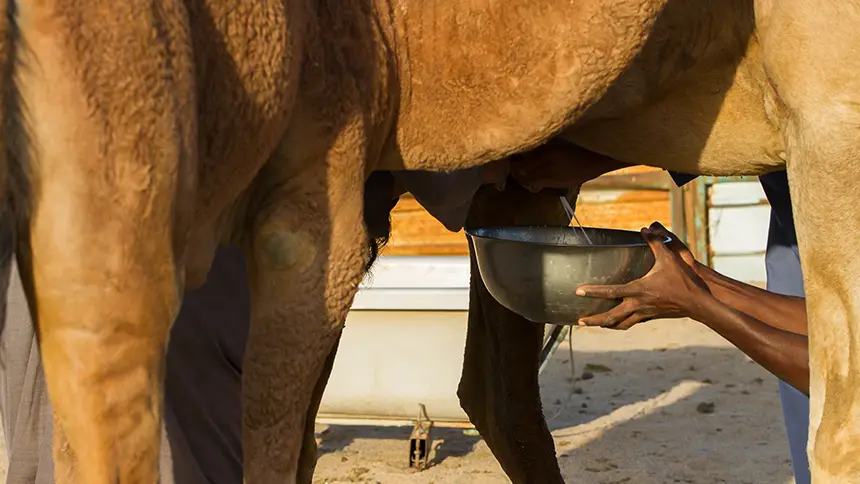
The traditional food culture of the northern emirate is deeply connected to its history, environment, and family life. In the past, people depended on locally available ingredients that suited the desert and coastal surroundings. Staple ingredients included dates, rice, meat, fish, milk products, and flatbreads, which provided energy and nourishment. Popular traditional dishes such as machboos, a spiced rice dish with meat or fish, and harees, made from wheat and slow-cooked meat, are still widely enjoyed today.
Fresh seafood has always played an important role because of the territory’s long coastline. Meals are not only about nutrition but also about family traditions and social values, as they are often shared during gatherings, festivals, and religious occasions. This strong culinary heritage helps preserve Emirati identity while passing cultural values from one generation to the next.
Influence of Modern Lifestyles
Modern lifestyles have greatly influenced eating habits in the emirate, especially as daily routines become faster and more demanding. Busy work schedules, long working hours, and school commitments have reduced the time available for preparing traditional home-cooked meals. As a result, many residents now prefer dining out or ordering takeaway fare, which offers quick and easy options. The area has seen rapid growth in cafés, food courts, and casual dining spaces, particularly in shopping centres and tourist areas.
These places provide convenient and affordable cuisine for families, workers, and young people. Convenience has become a key factor in meal choices, with people selecting dishes that save time and fit their modern lifestyles. Online delivery apps have also increased in popularity, making it easier to access a wide variety of local and international menu items. This shift highlights how urban living is reshaping eating habits in the emirate.
Rising Health Consciousness
Rising health consciousness is playing an important role in changing culinary habits in the region. Many residents are now choosing balanced and nutritious meals to improve their overall health and prevent lifestyle-related diseases. There is a growing demand for organic ingredients, low-fat products, and sugar-free alternatives, especially among families and young adults. Supermarkets and restaurants across the area now offer healthier dishes, including whole grains, fresh fruits, and lean proteins.
In addition, there has been a noticeable increase in vegetarian and plant-based options, reflecting global health trends and personal dietary preferences. Government and community health awareness campaigns also encourage people to adopt healthy eating habits by reducing junk fare consumption and promoting regular physical activity. Schools, fitness centres, and public events support these efforts, helping to build a culture of healthy living and responsible nutrition in the emirate.
Global and Multicultural Food Choices
Global and multicultural cuisine has greatly enriched the dining culture of the northern emirate. Due to its diverse population and growing tourist industry, the area offers a wide range of international dishes, including Asian, Italian, Middle Eastern, and Western fare. The strong presence of expatriate communities has influenced local culinary trends by introducing new cooking styles, ingredients, and flavours. As a result, many restaurants now serve fusion menu items that combine traditional Emirati recipes with modern and international tastes, creating unique and exciting meals.
Food festivals and cultural events held in the region also play an important role in introducing residents and visitors to new global flavours and cuisine experiences. These events encourage cultural exchange and promote understanding through culinary activities. Overall, multicultural dining options reflect the emirate’s open and welcoming society while adding variety and creativity to its evolving menu.
Role of Cafés and Social Eating
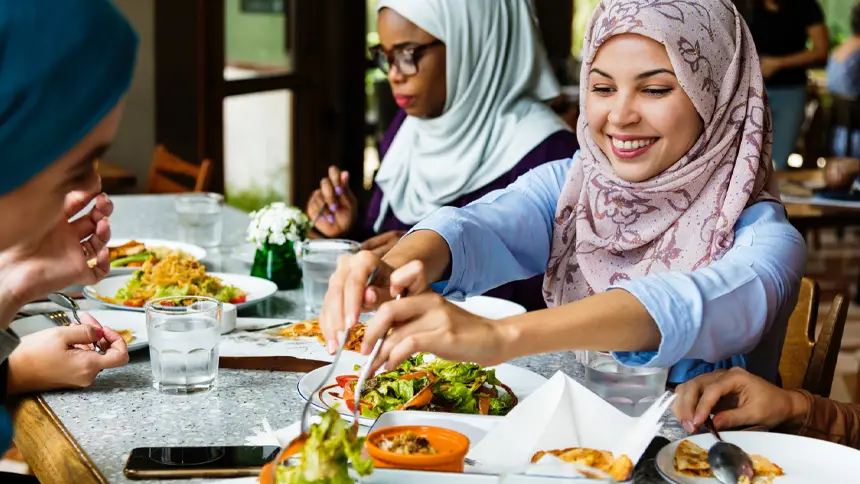
Cafés play an important role in shaping modern culinary habits in the area, especially as social eating becomes a popular lifestyle choice. Cafés have developed into common meeting points where friends, families, and colleagues gather to relax, study, or socialise. Youth culture strongly influences café and snack trends, with young people enjoying quick bites, desserts, and trendy beverages. One of the most popular drinks is karak tea, a traditional spiced tea that continues to attract people of all ages, along with specialty coffees, smoothies, and flavoured drinks.
Eating out is no longer only about dishes but has become a social experience linked to leisure and entertainment. Many cafés also offer comfortable seating, free Wi-Fi, and modern interiors, encouraging longer visits. This café culture highlights how cuisine in the emirate has become closely connected to social life, relaxation, and modern lifestyles.
Sustainability and Responsible Eating
Sustainability and responsible eating are becoming increasingly important in the northern emirate, as people become more aware of environmental protection and healthy living. There is a growing interest in using locally sourced ingredients, which supports local farmers, reduces transportation costs, and ensures fresher produce. Many restaurants and hotels are also working to reduce waste by planning menus carefully, controlling portion sizes, and donating surplus dishes where possible. In addition, the use of eco-friendly packaging, such as paper containers and reusable materials, is increasing to minimise plastic waste.
Sustainable dining practices, including energy-efficient kitchens and water conservation, are also being encouraged. Government initiatives and community programmes promote sustainable culinary production and responsible consumption habits among residents. These efforts help protect natural resources while supporting a healthier future. Overall, sustainability is shaping modern meal choices and encouraging people in the region to eat more responsibly.
Impact of Government and Tourism
The government and tourism sector play a major role in shaping dining habits in the emirate. Strong government support for safety and quality ensures that restaurants, cafés, and eateries follow high hygiene and health standards, protecting both residents and visitors. As tourism continues to grow, there is an increasing demand for diverse menu options that cater to international tastes and dietary needs. Hotels, resorts, and culinary festivals offer a wide variety of dishes while maintaining local traditions.
At the same time, the area actively promotes traditional Emirati fare to tourists, helping preserve cultural identity and heritage. Government programmes and business initiatives also provide training and opportunities for culinary entrepreneurs, encouraging innovation and small business growth. These efforts support the local economy and improve the overall dining experience. Together, government policies and tourism development contribute to a vibrant, safe, and diverse culinary culture in the region.
Conclusion
The changing culinary habits in Ras Al-Khaimah show how the emirate successfully balances its rich cultural heritage with modern meals and dining trends. Traditional Emirati dishes continue to hold an important place in daily life, while health awareness, global influences, and changing lifestyles are shaping new eating patterns. The growing popularity of nutritious fare, international cuisines, cafés, and sustainable dining practices reflects a more informed and responsible approach to cuisine. Support from the government and the rapid growth of tourism have further encouraged high standards, innovation, and cultural promotion. As the emirate continues to develop as a modern and welcoming destination, its evolving menu culture meets the needs of both residents and visitors. This blend of tradition and modernity highlights the area’s ability to adapt while preserving its unique identity.