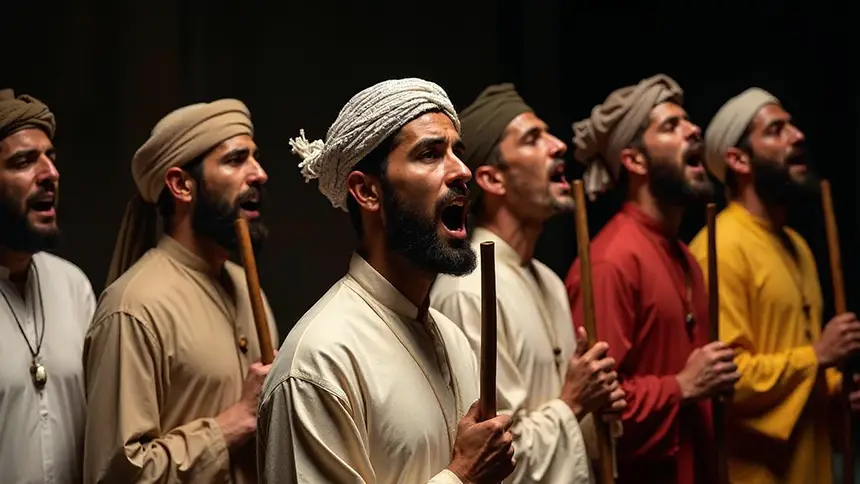
Ajman, one of the United Arab Emirates’ smaller emirates, holds a deep connection to its cultural roots. Among its most valued traditions is its rich musical heritage, shaped by desert life, seafaring history, and community celebrations. Over time, modern lifestyles and global entertainment trends began to reduce the presence of folk rhythms in daily life. To protect this valuable heritage, various revival programs now focus on preserving, teaching, and celebrating traditional sounds.
These efforts are not only about protecting the past. They also create exciting entertainment opportunities for residents, visitors, and younger generations. Through festivals, training sessions, and public performances, Ajman is actively keeping its musical identity alive while making it relevant in modern society.
Importance of Preserving Traditional Sounds
Heritage melodies are more than simple entertainment. They carry stories, memories, and shared values. Reviving these art forms helps maintain a strong cultural identity and ensures that knowledge does not disappear over time.
Cultural Value
- Folk tunes reflect daily life from earlier generations.
- Lyrics often describe desert journeys, pearl diving, and social gatherings.
- Musical traditions strengthen community pride.
- Old rhythms connect citizens with their ancestors.
Educational Role
- Young people learn history through performance.
- Schools and cultural centres introduce heritage topics in engaging ways.
- Students gain appreciation for national identity.
Social Benefits
- Group performances encourage teamwork.
- Public events bring families together.
- Cultural exchange builds mutual respect between residents from different backgrounds.
By recognising these benefits, Ajman continues to support revival activities that protect and share its musical heritage.
Government and Cultural Institution Support
Local authorities play a central role in protecting heritage arts across Ajman. Various initiatives are organised through cultural departments, heritage centres, and public programs that provide funding for workshops, training sessions, and research focused on documenting historic melodies. These organisations also sponsor festivals and community events while creating dedicated venues where traditional performances can take place regularly. Through partnerships with historians, artists, and educators, these structured efforts help build long-term preservation plans that keep revival activities organised, sustainable, and open to the wider public.
Community-Based Revival Initiatives
Alongside official action, participation from residents remains essential for maintaining authenticity and continuity. Local groups, families, and independent performers contribute through neighbourhood gatherings featuring live folk singing, informal lessons led by experienced artists, cultural clubs that promote heritage arts, and volunteer-driven youth training programs. These grassroots efforts ensure that traditional music stays active within daily life, allowing customs to be experienced naturally rather than appearing only during formal celebrations.
Festivals and Public Celebrations
Public festivals are among the most visible revival tools. These events showcase traditional sounds in lively, engaging environments that attract wide audiences.
Features of Cultural Festivals
- Live performances using historical instruments.
- Dance presentations connected to folk rhythms.
- Interactive workshops for visitors.
- Exhibitions displaying musical history.
These celebrations transform heritage into a shared entertainment experience. Tourists also gain insight into local identity, making such events valuable for cultural tourism.
Training and Educational Programs
Passing knowledge to younger generations is essential for long-term preservation. Many revival initiatives concentrate on teaching both performance abilities and historical background, so learners understand the deeper meaning behind each art form. Opportunities include music classes at cultural centres, partnerships with schools that introduce heritage subjects, workshops guided by experienced artists, and youth camps dedicated to traditional arts. These structured learning environments help students gain early exposure to cultural expression in an engaging and supportive setting.
Through these activities, participants develop practical and creative abilities that prepare them for future involvement. Training strengthens instrument handling techniques, improves rhythm coordination, encourages vocal expression rooted in heritage style, and builds awareness of the stories within song lyrics. Such educational efforts ensure that upcoming performers can carry forward musical traditions with authenticity, skill, and confidence.
Role of Traditional Instruments
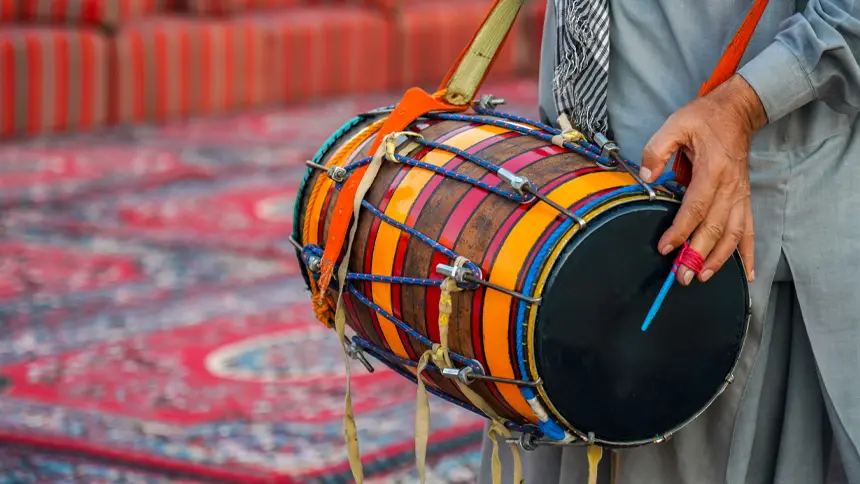
Historic instruments are central to revival programs. Their unique sounds represent centuries of artistic expression.
Commonly Highlighted Instruments
- Drums are used in desert celebrations.
- String instruments associated with storytelling.
- Handheld percussion tools that guide rhythm.
Workshops often include demonstrations showing how each instrument is built and played. This hands-on approach deepens appreciation among participants.
Integration with Modern Entertainment
Revival efforts in Ajman do not attempt to keep tradition locked in the past. Instead, many initiatives blend heritage elements with contemporary presentation styles to make performances more engaging for present-day audiences. Fusion shows combine classic rhythms with modern arrangements, while stage productions use improved lighting, sound design, and visual effects to enhance the viewing experience. Recording projects also play a role by preserving historic melodies in digital formats. These adaptations help traditional music remain attractive to younger listeners while maintaining its original structure and cultural meaning.
Media and Digital Promotion
Technology has become an important tool for spreading awareness and expanding reach. Cultural organisations use online platforms to showcase performances, share festival recordings, and provide educational content that explains the history behind each song. Social media campaigns highlight upcoming events, while virtual workshops allow remote learners to participate in training sessions. Through these digital strategies, heritage music can reach audiences beyond physical venues, ensuring continued visibility and appreciation across wider communities.
Tourism and Economic Impact
Revival programs also contribute to local development by attracting visitors interested in cultural experiences.
Economic Advantages
- Increased attendance at festivals.
- Support for local performers and artisans.
- Growth in heritage tourism.
- Opportunities for cultural merchandise sales.
These benefits show that preserving tradition can also support economic activity.
Challenges Facing Revival Efforts
Despite strong institutional and community support, several challenges continue to affect revival programs. Interest among some young people is declining due to the influence of global entertainment trends, while the number of experienced instructors remains limited. Consistent funding is also required to maintain workshops, events, and training sessions. Another ongoing challenge is finding the right balance between preserving authenticity and adapting performances for modern audiences. Overcoming these difficulties requires careful planning, active community participation, and creative outreach methods.
Future Outlook for Traditional Music in Ajman
The outlook for traditional music in Ajman remains positive thanks to continued commitment from the authorities, cultural organisations, and residents. Future developments may include expanded school-based programs, wider use of digital archives to preserve recordings, international cultural exchange events, and stronger collaboration between artists and educators. These initiatives can further strengthen preservation efforts while creating fresh entertainment opportunities that keep heritage music relevant for future generations.
Conclusion
Traditional music revival programs in Ajman play an important role in protecting cultural identity while creating engaging entertainment for the community. Through government support, local participation, festivals, and training initiatives, heritage sounds continue to thrive despite modern influences. Educational programs help younger generations understand history, while digital platforms spread awareness beyond local boundaries. By combining respect for the past with innovative presentation methods, Ajman ensures that its musical traditions remain active and meaningful. Continued cooperation between authorities, performers, and residents will help sustain these efforts for years to come.