Umm Al Quwain (UAQ), the smallest and most peaceful emirate in the United Arab Emirates, is undergoing a remarkable change in its culinary culture due to its growing expatriate population. Traditionally known for Emirati and Middle Eastern dishes such as machboos and grilled seafood, the emirate now offers a wide range of international cuisines influenced by communities from South Asia, Southeast Asia, Africa, and other Arab countries. These expat groups have introduced new spices, cooking methods, and traditional recipes that reflect their home cultures. As a result, street cafés, small restaurants, and family-run eateries across this northern emirate serve affordable meals from different parts of the world. This cultural diversity has turned the region into a hidden dining destination for residents and visitors alike. The blending of local and international flavours shows how migration and cultural exchange shape everyday life, making this peaceful emirate’s dining scene both unique and vibrant in the UAE.
South Asian Influence: Spices and Comfort Food
South Asian expatriates have played an important role in shaping the local cuisine of this emirate by introducing bold spices and comforting home-style meals. Communities from India, Pakistan, and Bangladesh have opened many small restaurants and affordable cafeterias across the region, making dishes such as biryani, curry, paratha, and dal popular among both locals and expats. These eateries are known for serving fresh, homemade-style meals at reasonable prices, which suits workers and families living in UAQ.
There is also a strong demand for vegetarian and halal-friendly dishes, reflecting the dietary needs of the South Asian population. Over time, spicy flavours have been slightly adapted to suit local tastes while still keeping their traditional character. This growing presence of South Asian cuisine has added variety to the culinary landscape and has made international meals easily accessible, helping to turn the area into a multicultural dining destination in the UAE.
Filipino and Southeast Asian Flavors
Filipino and Southeast Asian communities have greatly enriched the dining culture of this coastal emirate by introducing a special mix of sweet, savoury, and grilled flavours. Popular dishes such as adobo, lumpia, and pancit are now enjoyed by many residents, showing how traditional recipes from the Philippines and nearby countries have become part of everyday meals in the region. Barbecue dishes and grilled seafood, often cooked with marinades and local spices, are especially popular for their fresh taste and affordable prices.
Small cafes run by expat families also serve traditional desserts and snacks, giving people a chance to experience new flavours from Southeast Asia. These communities have also influenced fast-food style meal options, making quick international dishes more common in this growing culinary hub. This increasing variety of Southeast Asian cuisine reflects the cultural diversity of the population and highlights how migrant communities help shape the modern gastronomic identity of the area.
Arab Expat Communities and Regional Cuisine
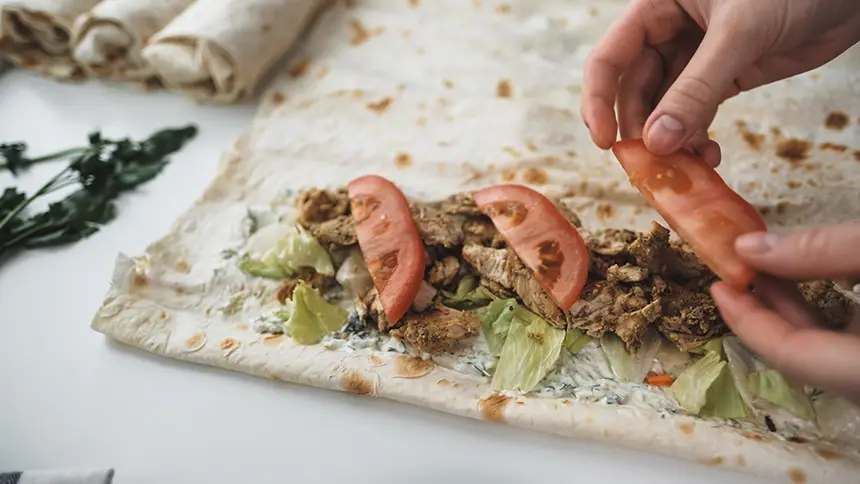
Arab expatriate communities from Egypt, Syria, Jordan, and Lebanon have greatly expanded the range of Middle Eastern cuisine available in this part of the UAE. In addition to traditional Emirati meals, the area now offers popular regional dishes such as shawarma, falafel, and manakish, which are widely sold in small shops and street cafés. Syrian and Lebanese bakeries are well known for their fresh bread, pastries, and sweets, attracting both residents and visitors.
These outlets provide affordable breakfast and snack options, making them part of daily life in the emirate’s towns and neighbourhoods. A strong café culture has also developed, with people gathering to enjoy tea, Arabic coffee, and light meals in a relaxed setting. This influence has helped create a lively social atmosphere and has strengthened cultural exchange through shared dining experiences. The presence of these Arab cuisines shows how migration within the region has shaped the local culinary tradition into a richer and more diverse landscape.
African and Other Cultural Food Contributions
African and other smaller expatriate communities have also made valuable contributions to the culinary life of this multicultural emirate by introducing new flavours and cooking traditions. These groups have brought unique spice blends and special cooking styles that add variety to the local dining scene. Traditional dishes such as rich stews and grilled meat meals are becoming more common in local restaurants and community cafés. New ingredients and cooking techniques from different cultures have helped broaden people’s taste and understanding of international cuisine.
Cultural festivals and community gatherings play an important role in sharing these traditions, allowing residents to learn about different cuisines and customs. Such events also strengthen social bonds and encourage cultural exchange among people from various backgrounds. Although these communities are smaller in number, their influence is meaningful and continues to grow. Their presence highlights how diversity helps shape a more colourful and inclusive food environment in the northern emirate.
Growth of Family-Run Restaurants
The growth of family-run restaurants has become an important part of the region’s dining scene, especially among expatriate communities. Many expat families open small eateries that focus on authentic, home-style cooking using recipes passed down through generations. These restaurants are known for their friendly and welcoming atmosphere, where customers often feel like part of the community. They usually offer budget-friendly menus, making good-quality international meals affordable for workers, students, and families living in this peaceful emirate.
Such places also help preserve cultural traditions by serving dishes that represent their homeland’s cuisine and values. In addition, these small businesses support the local economy by creating jobs and encouraging entrepreneurship among expatriates. The strong connection between cooking and community culture makes family-run restaurants more than just places to eat; they are centres of cultural exchange. Their growing number shows how migration and tradition together shape the modern dining identity of the area.
Affordable Dining for a Diverse Population
Expat communities have helped turn this emirate into a centre for affordable and multicultural dining in the UAE. Compared to larger emirates such as Dubai and Abu Dhabi, the area offers low-cost meals that suit people from different income groups. A wide variety of international cuisines can be found in one place, including South Asian, Arab, and Southeast Asian dishes, making everyday dining both interesting and accessible. These restaurants serve meals that meet the needs of workers, families, and tourists who look for tasty dishes at reasonable prices.
Unlike luxury-focused dining destinations, the local eating culture is based on simple, home-style and daily meals. This practical approach reflects the lifestyle of its diverse population and supports small businesses run by expatriates. Affordable dining also encourages cultural sharing, as people from different backgrounds enjoy each other’s traditional recipes. This makes the area a welcoming and inclusive culinary destination within the United Arab Emirates.
Cultural Exchange Through Food
Food has become one of the most powerful ways for different cultures to connect in this emirate. Through daily meals and shared dining experiences, local residents are discovering international dishes brought by expatriate communities, while expats are also learning to enjoy traditional Emirati flavours such as rice dishes and seafood. This exchange has led to the creation of fusion recipes that blend ingredients and cooking styles from several cultures, making the dining scene more creative and diverse.
Restaurants and community cafés often become meeting places where people from different backgrounds interact and build friendships. Shared meals during festivals and social gatherings help strengthen understanding and respect between cultures. This cultural exchange through cuisine supports unity and peaceful living in the region. As a result, the local dining culture reflects cooperation and diversity, showing how meals can bring people together and shape a stronger, more connected community in the UAE.
Conclusion
Expatriate communities have played a major role in shaping the Food culture of Umm Al Quwain, turning it into a vibrant and multicultural dining destination. The influence of South Asian, Southeast Asian, Arab, and African cuisines has added new flavours, cooking styles, and traditions to the emirate’s traditional Emirati heritage. Family-run restaurants and small cafés have made international meals affordable and easily available for residents and visitors alike. This growth in multicultural dining has encouraged cultural exchange, helping people from different backgrounds connect through shared meals and experiences. As more communities settle in Umm Al Quwain, its dining scene will continue to expand and reflect the diversity of its population. Today, Umm Al Quwain is not only known for its calm environment and natural beauty but also for its rich and varied culinary culture. This makes the emirate a hidden dining destination within the United Arab Emirates, where global flavours and local traditions live side by side.