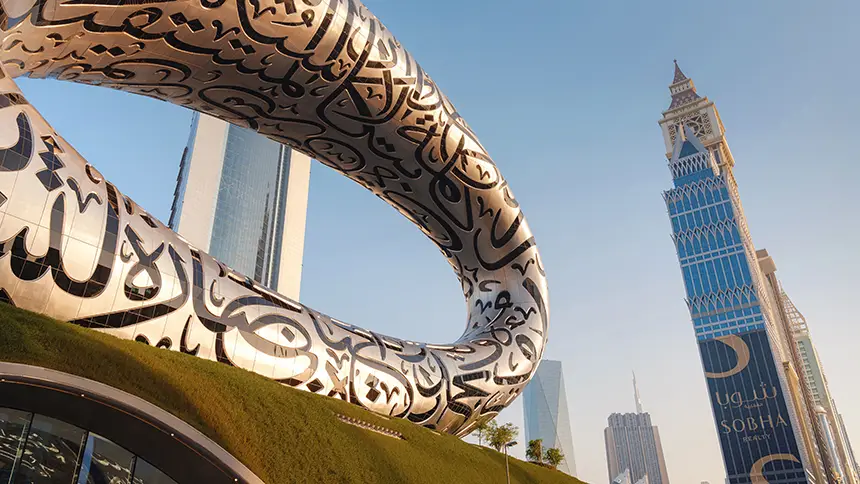
In today’s fast-paced world, maintaining a healthy work-life balance is important for both mental and physical well-being. The United Arab Emirates is known for its strong economy and wide career opportunities, especially in Abu Dhabi and Dubai. These two cities attract millions of workers from different countries and cultures. Abu Dhabi, the capital of the UAE, is famous for its organised lifestyle, government jobs, and family-friendly environment. Dubai is a global business and tourism centre, known for its fast-paced work culture and modern lifestyle. Both cities offer excellent transport systems, safe communities, and many leisure facilities such as parks, beaches, shopping malls, and sports centres. Recent government policies promoting flexible working hours and employee happiness have helped improve work-life balance. Understanding how people manage work and personal time in Abu Dhabi and Dubai helps us learn how cities can support healthy and productive living.
Working Hours and Office Culture
Working hours and office culture play an important role in shaping work-life balance in Abu Dhabi and Dubai. Abu Dhabi is known for its slightly more relaxed and organised working environment, especially in government offices and large companies. Employees often experience stable working hours and supportive management. In contrast, Dubai has a fast-moving and competitive corporate culture because it is a major global business and financial centre. Many professionals work longer hours to meet business targets and deadlines. However, flexible working hours and remote work options are becoming more common in both cities, helping workers balance their jobs and personal lives. The UAE government has introduced policies to support employee well-being, including shorter working hours during summer and special rules for public sector staff. These improvements show that both cities are working towards healthier and more productive workplaces.
Lifestyle and Daily Routine
Lifestyle and daily routine in Abu Dhabi and Dubai show clear differences that affect work-life balance. Abu Dhabi offers a calmer and quieter lifestyle with wide roads, peaceful neighbourhoods, and more family-oriented communities. Many residents enjoy spending time at parks, beaches, and cultural centres after work. In contrast, Dubai is known for its energetic and busy city life, with shopping malls, entertainment hubs, and late-night activities. Traffic and commute times vary between the two cities, as Dubai is more crowded due to its large population and tourism industry. Public transport systems such as buses and the metro help people travel more easily. To manage their time well, residents in both cities plan their daily routines carefully, balancing office hours with family time, exercise, and social activities. This helps them maintain a healthier and more organised lifestyle.
Leisure and Entertainment Options
Leisure and entertainment options play a key role in supporting work-life balance in Abu Dhabi and Dubai. Beaches, parks, and shopping malls are popular relaxation spots where people unwind after long working hours. Abu Dhabi focuses more on cultural and family-friendly activities, such as museums, heritage villages, public parks, and quiet waterfront areas. These places provide a peaceful environment for families and children. Dubai, on the other hand, is famous for its lively nightlife, theme parks, music festivals, and international events, making it attractive to young professionals and tourists. Both cities encourage social life after work hours by offering restaurants, cafés, cinemas, and sports centres. Regular community events and weekend activities help residents reduce stress and enjoy quality time with friends and family. These leisure facilities improve happiness and create a healthy balance between work and personal life in the UAE.
Family Life and Community Support
Family life and community support strongly influence work-life balance in Abu Dhabi and Dubai. Abu Dhabi is considered more family-friendly because it offers quieter neighbourhoods, spacious parks, and a peaceful living environment. Many families prefer the city for its stable lifestyle and strong sense of community. Dubai, on the other hand, attracts young professionals and entrepreneurs due to its modern business culture and exciting lifestyle. Both cities have well-developed schools, hospitals, and housing facilities that support comfortable living for residents from different nationalities. International schools provide quality education, while advanced healthcare centres ensure safety and well-being. Safe neighbourhoods and low crime rates help people feel secure and relaxed in their daily lives. These community features allow families and individuals to focus on both their careers and personal happiness, creating a balanced and healthy lifestyle in the UAE.
Health and Well-Being Facilities
Health and well-being facilities play an important role in improving work-life balance in Abu Dhabi and Dubai. Gyms, yoga centres, and sports clubs are widely available in both cities, encouraging people to stay active after work. Walking tracks, cycling paths, and waterfront areas such as beaches and corniches promote fitness and provide fresh air for relaxation. Many residents enjoy jogging or spending time outdoors to reduce stress and improve their health. Mental health awareness is also increasing in workplaces, with companies offering counselling services and wellness programmes for employees. Employers encourage healthy lifestyles by organising fitness challenges, health check-ups, and flexible working hours. These facilities and initiatives help workers maintain physical strength and emotional balance. By supporting healthy habits, Abu Dhabi and Dubai create a positive environment where people can focus on both their careers and personal well-being, leading to happier and more productive lives.
Cost of Living and Stress Levels
Cost of living and stress levels have a strong impact on work-life balance in Dubai and Abu Dhabi. Dubai has a higher cost of living, especially for housing, transport, and entertainment, which can increase financial pressure on workers and families. Many professionals work longer hours to manage their expenses and maintain their lifestyle. In comparison, Abu Dhabi offers more affordable housing options in many residential areas, helping residents save money and enjoy a calmer life. Financial stability plays an important role in personal happiness and mental peace, as people feel more secure when their basic needs are met. Budget planning is an effective way to reduce stress and manage monthly expenses wisely. By controlling spending and saving money, residents can focus more on their health, family time, and personal activities, leading to a healthier and more balanced lifestyle in the UAE.
Future of Work-Life Balance in the UAE
The future of work-life balance in the United Arab Emirates looks positive, especially in Abu Dhabi and Dubai. Remote and hybrid work models are growing, allowing employees to work from home for part of the week and spend more time with their families. Technology is improving time management through online meetings, digital tools, and smart office systems that save travel time and increase efficiency. Government initiatives now focus strongly on happiness and quality of life, with programmes that support employee well-being and flexible working hours. Both cities aim to create healthier work environments by reducing stress and encouraging a better balance between work and personal life. New policies, modern workplaces, and digital innovation are helping people enjoy more free time while staying productive. These developments show that the UAE is planning a future where work supports a happy, healthy, and successful lifestyle.
Conclusion
Work-life balance in Abu Dhabi and Dubai shows how two cities in the same country can offer different lifestyles. Abu Dhabi provides a peaceful and family-oriented environment with stable working hours and strong community support. Dubai, on the other hand, offers excitement, modern facilities, and fast-paced professional growth for ambitious workers. Both cities continue to improve their working conditions, health facilities, and leisure opportunities to support residents’ well-being. Government policies, flexible working models, and modern technology are helping people manage their time better. By choosing the right balance between work responsibilities and personal life, individuals can enjoy a healthy and fulfilling lifestyle in either city. Ultimately, successful work-life balance depends on personal priorities, workplace support, and smart lifestyle choices that promote happiness and productivity.