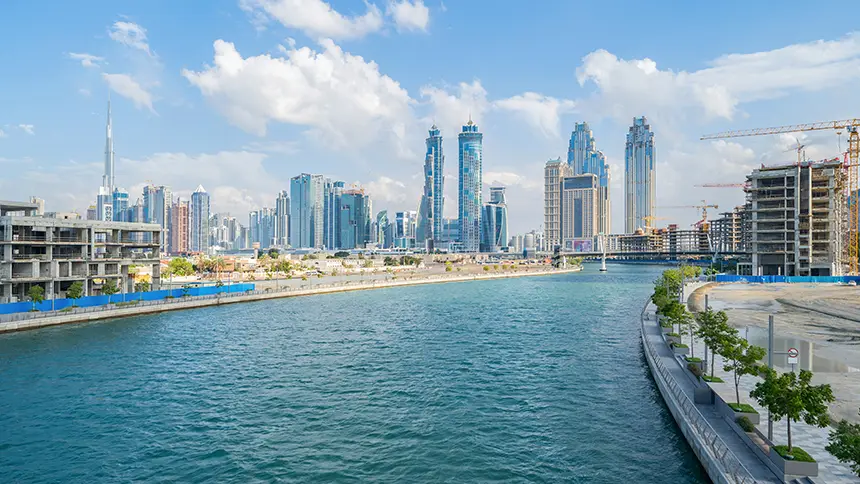
Dubai is known worldwide as a city of innovation, ambition, and architectural wonders. Its skyline, filled with futuristic towers, luxury hotels, and iconic landmarks like the Burj Khalifa, reflects the massive role of the construction sector in shaping the city’s identity. Over the past few decades, this city has transformed from a desert town into a global hub for business, tourism, and real estate. At the center of this transformation lies the construction industry, which has become a backbone of the emirate’s economic growth.
Historical Development of Infrastructure in Dubai
The story is closely tied to its journey from a small trading port to a major international city.
Early Growth (1960s–1970s)
When oil was discovered in the late 1960s, revenue from petroleum exports funded early infrastructure projects such as roads, ports, and housing.
Expansion Phase (1980s–1990s)
Dubai invested heavily in tourism and trade infrastructure, building airports, hotels, and free zones to attract global investors.
The Real Estate Boom (2000s)
Projects such as Palm Jumeirah, Burj Khalifa, and Dubai Marina transformed the skyline. Foreign property ownership was legalized, leading to rapid inflows of global capital.
Post-Crisis Rebuilding (2010s)
The global financial crisis of 2008 slowed growth, but government support and Expo 2020 preparations reignited the industry.
This historical progression shows that construction in Dubai has never been just about buildings; it has been a driver of economic strategy.
Key Drivers
Several factors explain why construction plays such a dominant role in Dubai’s economy:
Strategic Location
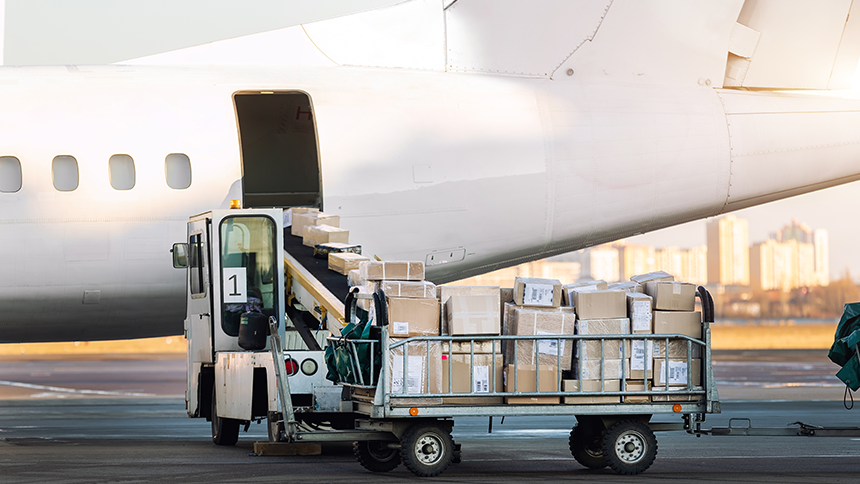
Dubai sits between Europe, Asia, and Africa, making it a crossroads for trade and commerce. This position encourages demand for ports, logistics hubs, and modern facilities.
Tourism and Hospitality
Millions of visitors come to Dubai every year. To serve them, the city has built luxury resorts, shopping malls, entertainment complexes, and theme parks.
Government Initiatives
Policies such as Vision 2040, Expo 2020 projects, and real estate regulations ensure continuous development.
Population Growth
The city attracts expatriates from around the world, creating demand for residential and commercial buildings.
Innovation and Technology
Dubai promotes smart construction methods such as 3D printing, green building standards, and digital project management.
These drivers combine to make this city one of the most active construction markets globally.
Business Opportunities
For businesses, the construction industry offers many opportunities across different areas.
- Real Estate Development – Companies can invest in high-rise apartments, villas, gated communities, and mixed-use projects.
- Infrastructure Projects – Roads, bridges, railways, and metro expansions continue to provide opportunities for contractors.
- Green Construction – Sustainable building practices, solar-powered systems, and eco-friendly materials are in growing demand.
- Smart Technologies – Startups offering digital solutions like Building Information Modeling (BIM), automation, and IoT systems are finding business prospects.
- Facility Management – After buildings are completed, companies offering maintenance, cleaning, and property management services thrive.
Dubai’s focus on growth ensures that businesses connected to this industry remain profitable.
Challenges Facing the Industry
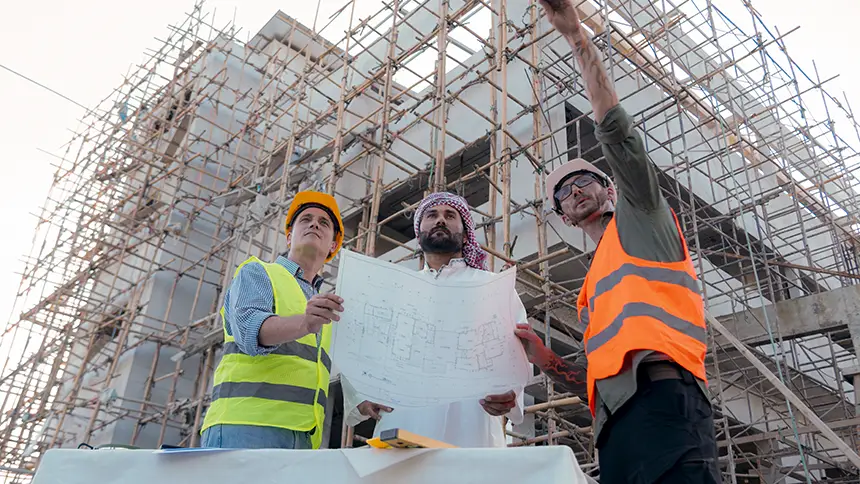
Despite its success, the construction industry in Dubai faces several challenges that require careful management. The sector is highly sensitive to economic cycles, with global oil prices, trade tensions, and financial crises directly influencing growth. At the same time, intense competition among local and international firms often reduces profit margins, making efficiency and innovation essential for survival. Labor remains another concern, as the industry relies heavily on a large migrant workforce, which brings issues related to wages, working conditions, and housing.
In addition, large-scale projects consume vast amounts of energy and resources, creating pressure to adopt sustainable practices and minimize environmental impact. Developers also need to navigate strict building codes, safety standards, and licensing regulations, which can be complex but necessary to maintain quality and safety. Businesses that can address these risks effectively while seizing new opportunities will be better positioned to thrive in Dubai’s ever-evolving construction landscape.
Impact on Dubai’s Economy
The construction sector does not stand alone; it influences many other industries.
- Employment Generation – Millions of workers, from engineers to laborers, are employed directly and indirectly.
- Real Estate Market – New projects stimulate property sales and rentals, boosting wealth creation.
- Tourism Growth – Iconic structures attract visitors, supporting airlines, hotels, and retail.
- Global Recognition – The buildings here symbolize modernity and attract international investors.
- Diversification – The industry helps reduce reliance on oil, pushing the city towards a service and knowledge-based economy.
Thus, it is both an economic driver and a branding tool for Dubai.
Future of Construction in Dubai
Looking ahead, the industry is expected to grow further, but with new trends shaping its direction.
Sustainability First
Eco-friendly projects, recycling, and renewable energy use will dominate. Developers are also focusing on reducing carbon footprints through green certifications and smart energy systems.
Digital Transformation
Artificial intelligence, drones, and robotics will make building faster and safer. These technologies will also improve accuracy in design and lower overall construction costs.
Affordable Housing
Rising demand for mid-income housing will balance the luxury market. Government incentives and private sector participation are expected to make these homes more accessible.
Mega Projects
New landmarks like Dubai Creek Tower will continue to push boundaries. Such ambitious projects will further strengthen Dubai’s global reputation as a hub of innovation.
Global Partnerships
International collaboration will bring expertise, investment, and innovation. These partnerships will also help share advanced skills and knowledge with the local workforce.
Dubai aims to remain a leader in futuristic urban development.
Key Examples of Landmark Projects
Dubai’s most famous projects highlight the ambition and scale of its construction industry:
- Burj Khalifa: Tallest building in the world, symbol of Dubai’s ambition.
- Palm Jumeirah: Artificial island shaped like a palm tree, attracting luxury tourism.
- Dubai Metro: Fully automated urban rail system, easing traffic and promoting sustainability.
- Museum of the Future: A striking architectural and technological marvel.
- Expo 2020 Site: Converted into District 2020, a hub for innovation and startups.
These projects prove how construction in Dubai goes beyond functionality to showcase creativity.
Business Lessons from Dubai’s Construction Industry
Companies around the world can draw valuable lessons from this industry. The city has shown the importance of thinking big while still planning every detail carefully to ensure long-term success. Its approach of blending tradition with innovation creates projects that are both culturally rooted and globally appealing. By diversifying revenue sources, Dubai has reduced risks and strengthened resilience against economic cycles. Strong public-private partnerships have also played a central role in driving large-scale developments, while a consistent focus on sustainability ensures that growth benefits future generations. Overall, Dubai’s journey proves that vision, investment, and determination can transform any city into a global hub of progress.
Conclusion
The construction industry in Dubai is more than just bricks and concrete, it is a symbol of progress, ambition, and business opportunity. From early oil-funded projects to today’s smart cities and futuristic towers, this industry has shaped Dubai’s past, present, and future. While the sector faces challenges like competition, environmental concerns, and economic cycles, it continues to thrive because of strong government support, innovation, and global partnerships.
For businesses, Dubai remains a land of opportunity. Whether in real estate, infrastructure, technology, or green solutions, the potential is vast. The city’s vision to remain a leader in modern development ensures that construction will stay central to its economy.