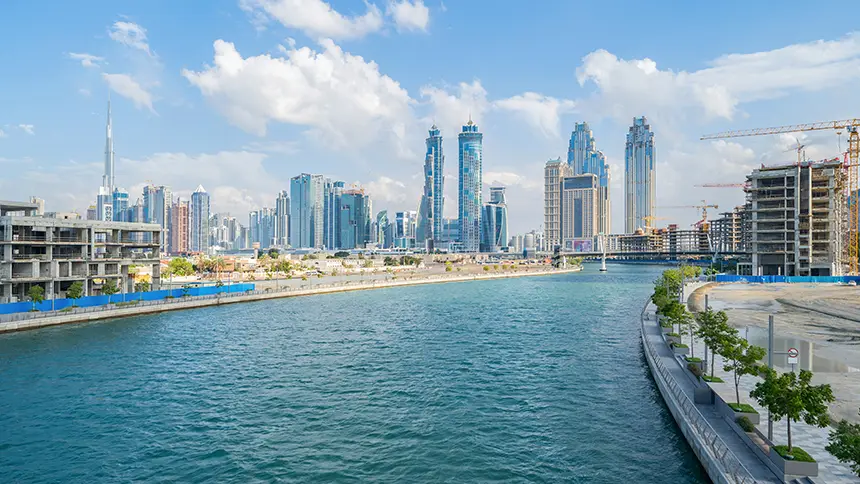
Dubai South is one of the fastest-growing logistics hubs in the United Arab Emirates, designed to support trade, aviation, and modern supply chains. Located near Al Maktoum International Airport and connected to major highways and ports, it offers a strategic location for businesses that handle goods locally and internationally. In recent years, the city has become a centre for logistics technology and smart warehousing, where automation, robotics, and digital systems help manage storage and movement of goods more efficiently. These advanced warehouses reduce errors, speed up deliveries, and allow companies to keep track of inventory in real time. The importance of such technology is growing rapidly as global trade expands and customer expectations for fast, reliable delivery increase. This article aims to explain how logistics technology and smart warehousing are transforming Dubai South, making it a key player in modern supply chains while promoting innovation and efficiency in the region.
Dubai South: Strategic Location for Logistics
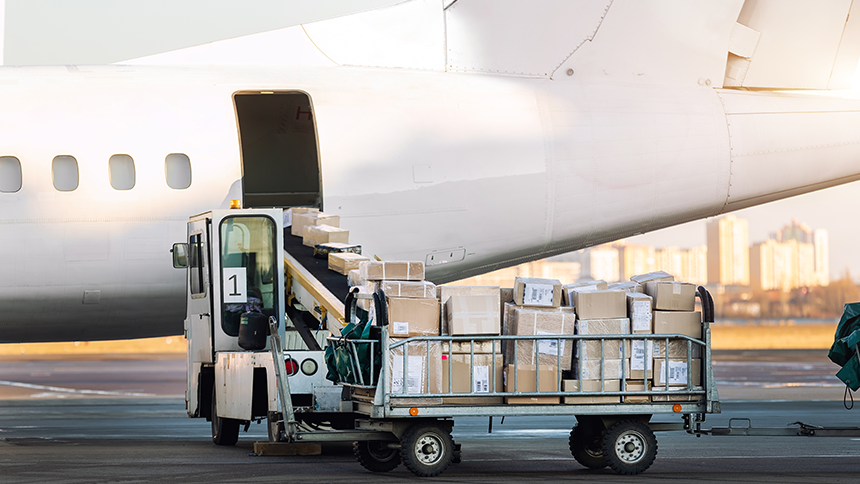
Dubai South has a very strategic location that makes it an ideal hub for logistics and trade. One of its biggest advantages is its proximity to Al Maktoum International Airport, one of the largest airports in the world, which allows goods to be transported quickly by air to different countries. The area is also well connected to major roads and seaports, providing easy access for trucks and ships, which helps move cargo efficiently across the region and beyond.
This excellent connectivity ensures that goods can reach markets faster, reducing delays and costs for businesses. Because of these advantages, Dubai South plays an important role in global trade and supply chains, serving as a key link between manufacturers, suppliers, and customers worldwide. Its strategic location, combined with modern infrastructure, makes it a centre where businesses can operate smoothly and compete successfully in international markets.
Smart Warehousing Technologies
5G-Enabled Warehouses
5G-enabled warehouses use fast internet technology to connect all the equipment and systems in real time. This allows machines and staff to work together more efficiently, reducing mistakes and speeding up processes. With low latency, decisions and updates happen instantly, making the handling of goods faster and more accurate.
Robotics and Automation
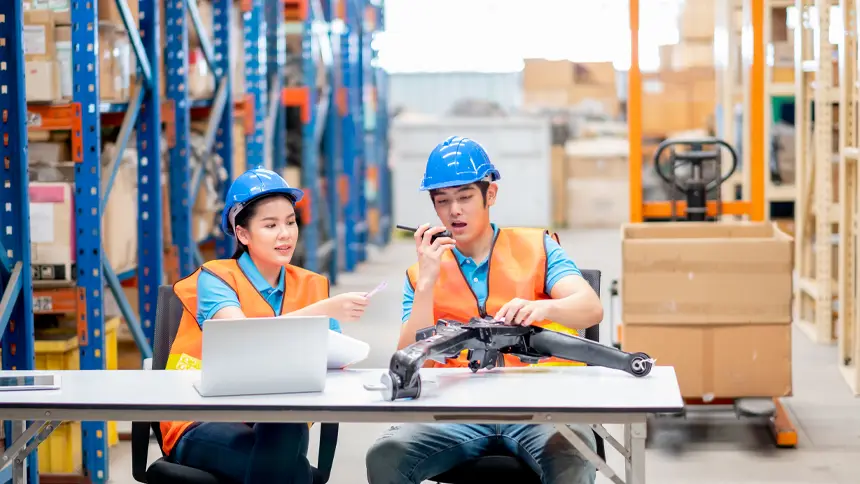
Robotics and automation help warehouses work with less human effort. Automated Guided Vehicles (AGVs) move goods around the warehouse automatically, while robots can pick, sort, and pack items quickly. Some companies also use Robotics-as-a-Service (RaaS), renting robots as needed, which makes operations flexible and cost-effective.
AI-Driven Warehouse Management
AI-driven warehouse systems help track and manage inventory more accurately. They can predict demand and suggest the best way to store items. These systems often connect with ERP and logistics platforms, allowing managers to plan deliveries, optimize storage, and reduce errors, improving overall efficiency.
Major Smart Warehousing Facilities
Dubai South is home to several major smart warehousing facilities that showcase modern logistics technology. One of the most notable is the DHL Next-Gen Innovation Center, which focuses on developing advanced solutions for faster and more efficient cargo handling. Another key facility is the dnata Logistics Advanced Facility, designed to manage large volumes of goods using the latest technology. Both warehouses use automation to move, sort, and pack items quickly, reducing errors and saving time. They also incorporate artificial intelligence (AI) to track inventory, predict demand, and improve overall efficiency.
In addition to technology, these facilities focus on sustainability, using energy-efficient systems, smart lighting, and eco-friendly designs to reduce environmental impact. By combining innovation, automation, and sustainable practices, these warehouses not only support the growing trade in Dubai South but also demonstrate how modern logistics can be efficient, reliable, and environmentally responsible.
Integration with Supply Chain Ecosystem
Integration with the supply chain ecosystem is one of the key strengths of Dubai South’s logistics system. Warehouses in this area are connected through end-to-end digital connectivity, which allows information to flow smoothly between suppliers, warehouses, transport providers, and customers. This digital link helps reduce delays and improves coordination across the supply chain. Dubai South also supports multimodal transport integration, combining air, road, and sea transport.
Goods can be transferred easily from aircraft to trucks or ships, making movement faster and more efficient. Another important feature is real-time cargo tracking and management, which allows businesses to monitor the location and condition of goods at every stage of delivery. This improves transparency and helps prevent losses or errors. Together, digital systems and transport connectivity create a well-organised logistics environment, enabling Dubai South to support global trade and ensure reliable and timely delivery of goods.
Sustainability and Green Logistics
Sustainability and green logistics are important focus areas in Dubai South’s modern warehousing system. Many warehouses use smart energy systems such as solar panels, energy-efficient lighting, and automated climate control to reduce electricity consumption. These technologies help lower costs while protecting the environment. Several facilities are also designed as LEED-certified buildings, which means they meet international standards for eco-friendly construction and operation.
In addition, warehouses practise waste reduction and resource optimisation by recycling materials, reducing packaging waste, and using water efficiently. Digital systems help monitor energy and resource usage, allowing managers to make better decisions. By adopting sustainable practices, Dubai South not only supports environmental protection but also encourages responsible business operations. These green logistics initiatives show how modern technology can be used to balance economic growth with environmental care, making Dubai South a model for sustainable logistics development.
Impact on Global Trade and Logistics
The advanced logistics and smart warehousing systems in Dubai South have a strong impact on global trade and logistics. Modern technology helps improve efficiency, leading to better order accuracy and faster turnaround times. Automated systems reduce human errors and ensure goods are processed and delivered on time. These improvements are especially important for industries such as e-commerce, retail, and high-value goods, where speed, safety, and reliability are essential. Smart warehouses can handle large volumes of orders while maintaining quality and security.
As a result, businesses can meet customer demands more effectively. This strong logistics infrastructure gives the United Arab Emirates a competitive advantage in regional logistics, attracting international companies and investors. Dubai South acts as a key gateway connecting markets across Asia, Europe, and Africa. By improving efficiency and supporting major industries, Dubai South strengthens the UAE’s position as a leading global logistics and trade hub.
Future Outlook
The future outlook for logistics and smart warehousing in Dubai South is very promising. Emerging technologies such as the Internet of Things (IoT), drones, and autonomous vehicles are expected to play a major role in further improving warehouse and transport operations. These technologies will help monitor goods more accurately, speed up deliveries, and reduce human effort. Dubai South also has expansion plans for its logistics infrastructure, including new warehouses, transport facilities, and digital systems to support growing trade demands.
With continuous investment in innovation and technology, Dubai aims to strengthen its position as a global smart logistics hub. Its focus on automation, sustainability, and digital connectivity will attract international businesses and improve supply chain efficiency. As these developments continue, Dubai South is likely to become a model for modern logistics, supporting global trade and setting new standards for smart and efficient logistics systems.
Conclusion
Dubai South has successfully adopted advanced logistics technology and smart warehousing systems to support modern supply chains. The use of automation, artificial intelligence, digital connectivity, and sustainable practices has improved efficiency and accuracy in warehouse operations. These technological advancements offer many benefits for businesses, including faster deliveries, lower costs, and better inventory management. They also strengthen global supply chains by ensuring reliable and timely movement of goods across regions.
With its strategic location, modern infrastructure, and focus on innovation, Dubai South plays an important role in shaping the future of logistics. It serves as a model for how technology can transform traditional logistics into a smart, efficient, and environmentally responsible system. As global trade continues to grow, Dubai South is expected to remain a key hub, supporting international commerce and setting high standards for the logistics industry.