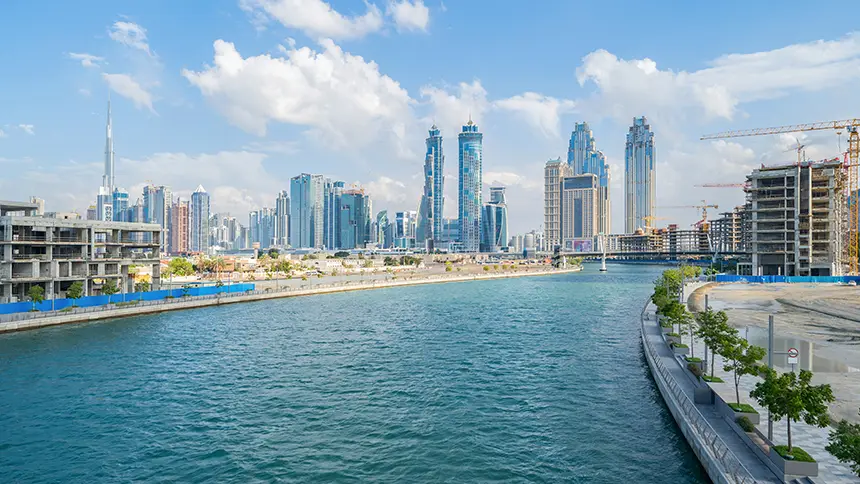
PropTech, short for property-sector technology, refers to the use of digital tools and innovations to improve the way homes and commercial spaces are bought, sold, rented, and managed. In the United Arab Emirates, real estate plays a very important role in the national economy, contributing significantly to employment, investment, and urban development. Cities such as Dubai and Abu Dhabi are known for their modern buildings, large housing projects, and world-class infrastructure, which attract people and businesses from all over the world. The UAE has become a leader in technology-driven real estate markets because it actively supports smart city projects, digital government services, and advanced technologies such as artificial intelligence and blockchain. These innovations help make transactions involving land and buildings faster, safer, and more transparent. As a result, PropTech is transforming the real estate market in the UAE, improving efficiency and enhancing the overall experience for buyers, investors, and residents.
Understanding PropTech
What Is PropTech?
PropTech, or technology used in the built environment, refers to the use of modern digital technology to improve the real estate sector. It covers a wide scope of activities related to housing and commercial assets, making processes easier and more efficient. Digital property solutions are used in key areas such as buying and selling homes, renting spaces, and managing buildings and facilities. Through online platforms, mobile applications, and smart systems, people can search for available listings, complete transactions, pay rent, and report maintenance issues more easily. Overall, these technology-based asset systems help save time, reduce paperwork, and improve communication between buyers, sellers, tenants, and managers, making the asset-related experience more convenient and transparent.
Evolution of PropTech in the UAE
The evolution of PropTech in the UAE shows a clear shift from traditional land and housing practices to modern, technology-based methods. In the past, transactions involving land assets depended heavily on paperwork, face-to-face meetings, and manual processes. Today, digital platforms allow people to search for residential and commercial units, complete documents, and make payments online. This change has been strongly supported by the UAE’s focus on digital transformation and smart city initiatives. Projects such as smart buildings, online government services, and connected infrastructure have encouraged the use of real estate technology across the development industry. As a result, these digital innovations have grown rapidly in the UAE, making services related to buildings and spaces faster, more efficient, and easier for residents and investors to use.
Key PropTech Technologies Shaping the UAE Market
Artificial Intelligence (AI) and Big Data
Artificial Intelligence and Big Data play an important role in the UAE’s real estate market by analysing large amounts of information. These technologies help predict prices of homes and offices by studying market trends, location data, and past sales. They also help companies understand customer behaviour, such as what type of living or working spaces people prefer and how they search for listings. This allows housing and investment companies to offer better services and more suitable options through data-driven property systems.
Blockchain Technology
Blockchain technology is used in the UAE to make transactions related to land ownership more secure and transparent. It helps protect important records and reduces the risk of fraud. Smart contracts allow agreements to be completed automatically once conditions are met, saving time and paperwork. Digital title deeds also make ownership records for fixed land assets easier to store and verify using secure digital asset platforms.
Virtual Reality (VR) and Augmented Reality (AR)
Virtual Reality and Augmented Reality are changing the way people view homes and developments in the UAE. Virtual tours allow buyers to explore homes and commercial units online without visiting in person. This is especially helpful for international investors who can view spaces remotely and make decisions more easily using immersive viewing technologies.
Internet of Things (IoT)
The Internet of Things is widely used in smart homes and buildings across the UAE. Devices such as smart lights, security systems, and temperature controls improve comfort and safety in living and working environments. IoT also supports energy efficiency and sustainability by reducing energy use and helping create environmentally friendly structures through connected building systems.
PropTech Applications Across the Real Estate Lifecycle
Property Search and Marketing
PropTech has made home and space search and marketing much easier through online portals. These platforms allow users to view details, photos, prices, and locations from anywhere. AI-powered recommendations suggest suitable options based on a user’s preferences, budget, and search history. This helps buyers and renters find appropriate places more quickly and easily through intelligent listing platforms.
Sales and Transactions
In sales and transactions, digital real estate solutions support the use of online documentation, reducing the need for paperwork related to ownership transfers. Important documents can be signed and shared online, saving time for buyers and sellers. Technology also makes the process faster and more transparent by allowing users to track progress and verify information securely.
Property and Facility Management
Technology-enabled asset management improves building and facility management through automated maintenance systems that report and fix issues quickly. Tenant experience platforms allow residents to pay rent, request repairs, and communicate with managers online, making estate management more efficient and convenient.
Role of Government and Regulations in the UAE
The government plays a key role in supporting the growth of PropTech in the UAE by creating strong digital systems and clear regulations. The Dubai Land Department (DLD) has introduced many digital initiatives, such as online registration of land holdings, electronic title deeds, and smart services, which make transactions faster and more secure. These efforts reduce paperwork and increase transparency in the real estate market. In addition, Smart Dubai and the wider UAE Vision strategies aim to use technology to improve quality of life and create smart, connected cities.
These plans encourage the use of innovation across sectors, including real estate. The UAE also offers a supportive regulatory environment for startups focused on property technology innovations by allowing digital solutions, encouraging innovation, and attracting foreign investment. As a result, government support and forward-looking policies have helped the UAE become a leading hub for technology-driven development of land and buildings.
Benefits of PropTech for the UAE Real Estate Market
PropTech offers many benefits to the UAE real estate market by making it more modern and reliable. One major advantage is increased transparency and trust, as digital records and online systems reduce errors and the risk of fraud in ownership-related processes. Technology also improves efficiency and reduces costs by speeding up searches, documentation, and payments, saving time for both companies and customers. In addition, these advanced real estate technologies enhance the customer experience by providing easy access to information, virtual tours, and online services, making buying or renting homes and spaces more convenient. These systems also help attract global investors, who are confident in the UAE’s secure, well-regulated, and technology-driven market.
Future Trends of PropTech in the UAE
The future of PropTech in the UAE is expected to grow rapidly with the use of advanced technologies. AI-driven platforms will become more common, helping buyers and investors make better decisions through accurate data and predictions related to physical developments. There will also be a strong expansion of smart and sustainable buildings that use technology to save energy and protect the environment. In addition, the integration of the metaverse and digital twins will allow people to explore and manage built environments in virtual spaces. Increased collaboration between developers and technology firms will further encourage innovation, making the UAE’s market more efficient, modern, and globally competitive.
Impact on Investors, Developers, and Buyers
PropTech has a strong impact on investors, developers, and buyers in the UAE real estate market. Through data insights and digital tools, investors and developers can make better decisions by understanding trends, prices, and customer needs related to housing and commercial developments. Technology also helps speed up project development and sales cycles by improving planning, marketing, and transaction processes. For buyers, digital property ecosystems create an improved ownership experience by offering easy access to information, online services, and smart home features. Overall, these technological advancements make the market more efficient, reliable, and user-friendly for everyone involved.
Conclusion
PropTech has played a transformative role in changing the way the real estate sector functions by making processes faster, more transparent, and more efficient. Through the use of digital platforms, smart technologies, and data-driven tools, the market for land and buildings has become easier for buyers, sellers, and investors to navigate. The UAE has successfully positioned itself as a regional property technology hub by supporting innovation, smart city projects, and strong digital regulations. Looking ahead, the long-term outlook for technology-driven growth in this sector remains very positive. Continued investment in advanced technologies and collaboration between government and private companies will further strengthen development and support sustainable urban growth.