Camel milk has been valued for centuries in the deserts of Arabia. For the Bedouin tribes of the UAE, it was more than just a drink, it was a lifeline. In the harsh desert climate, where crops were limited and cattle struggled to survive, camels provided milk rich in nutrition, easy to digest, and available year-round. Today, it is no longer only a symbol of survival; it has become a global superfood. From luxury cafés in Dubai serving Camel dairy lattes to modern dairy farms producing Camel dairy powder for export, this traditional drink has found new life in modern health and wellness industries.
Camel Milk in UAE Tradition
For thousands of years, camels were known as the “ships of the desert.” They carried goods, provided transportation, and most importantly, gave milk. Among Emirati ancestors, this was considered a gift of survival.
Cultural Importance
- Daily Nutrition: Nomadic tribes depended on it as their main source of protein, vitamins, and minerals.
- Hospitality: Serving it to guests was a gesture of generosity and respect.
- Medicinal Value: Traditional healers in the UAE believed it could help with stomach problems, fatigue, and even infections.
- Religious Significance: Historical Islamic texts mention this as a pure and healing drink.
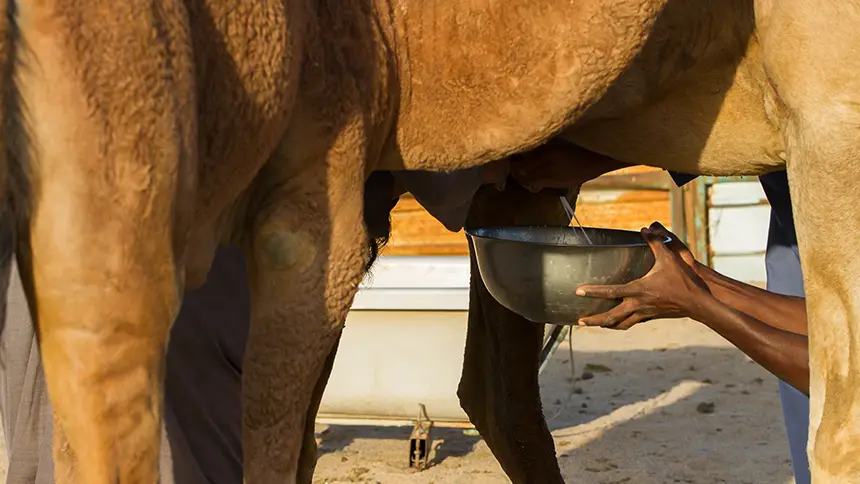
This was often consumed fresh, directly after milking. Sometimes it was fermented into a sour version called shubat, which could last longer on desert journeys.
Nutritional Value: Why Camel Milk is a Superfood
Modern research has confirmed what the Emiratis have known for centuries: Camel dairy is a powerhouse of nutrients. Unlike cow’s milk, it contains unique proteins, lower fat, and special compounds that make it highly beneficial for health.
Key Benefits
- Rich in vitamins and minerals, offering a rare source of vitamin C along with iron, zinc, calcium, and potassium.
- Supports immunity as it contains natural antibodies and antimicrobial proteins that help the body fight infections.
- Gentle digestion, as it is easier to digest for people who are lactose intolerant and contains less allergenic proteins than cow’s milk.
- Helps manage blood sugar by reducing glucose levels and improving insulin sensitivity.
- High in protein, containing unique proteins that may support muscle growth and aid in healing.
Comparison with Cow’s Milk
Compared to cow’s milk, Camel dairy is a healthier alternative as it has less fat and cholesterol, making it lighter on the body. It also contains up to three times more vitamin C, adding an extra boost to the immune system. Unlike cow’s milk, it has insulin-like proteins that support better blood sugar control. Additionally, it is easier for children with allergies to tolerate, making it a safer option for many families.
Camel Milk in Modern UAE
The UAE has taken this Nomadic dairy from desert camps to global markets. With advanced dairy farms and innovative food industries, it is now a part of both traditional Emirati kitchens and modern lifestyles.
Camel Milk Industry in the UAE
In the UAE, specialized camel farms in Dubai and Abu Dhabi use advanced technology to ensure safe milking and large-scale production, meeting both local and global demand. Beyond the region, the UAE has successfully positioned white gold of the desert as a healthy superfood, exporting it to other countries.
Products in the UAE
Today, Camel dairy is enjoyed in many forms beyond being consumed plain. It is available in fresh bottles in supermarkets, while its chocolate has become a popular gift item. Cafés and restaurants serve camel milk ice cream as a unique treat, and the powder is produced for longer shelf life and easy international shipping. Additionally, it is used to make cheese and yogurt, offering healthy alternatives to traditional dairy products. Its benefits also extend beyond food, as it is widely used in skincare products for its natural moisturizing properties.
Camel dairy in the UAE Lifestyle and Food Culture
It has transformed from a traditional staple into a modern trend in the UAE, blending cultural heritage with luxury. It is now celebrated as both a symbol of tradition and a healthy, innovative ingredient in the country’s evolving food scene.
In cafés and restaurants, this is served in creative forms such as lattes, cappuccinos, and shakes, while gourmet establishments feature desserts like panna cotta and custards made from it. These offerings appeal to both locals and tourists seeking unique culinary experiences.
At home, it has become widely accessible, with bottled versions available in supermarkets for families. Health-conscious residents often include it in smoothies or shakes as a nutritious addition to their diets.
During festivals and tourism experiences, it remains culturally significant. In Ramadan, it is used in traditional sweets, and tourists visiting camel farms in Al Ain or Dubai can taste fresh dairy, gaining a firsthand experience of Emirati heritage and hospitality.
Camel Milk and Health Trends in the UAE
The UAE is positioning itself as a hub for healthy food innovations. This fits perfectly into this vision.
Rising Demand for Healthy Alternatives
- Many residents in the UAE come from different countries and are lactose intolerant. Milk from camels provides an excellent alternative.
- Fitness and wellness communities see it as a natural protein source.
- Parents prefer it for children with allergies to cow dairy.
Scientific Research in the UAE
- Universities and research centers in Abu Dhabi and Dubai are studying it for diabetes management and immune system support.
- Clinical trials suggest this may help with autism spectrum disorders, leading to increased interest among parents.
Global Recognition
- Products from the UAE have gained approval for sale in European markets.
- Health food stores around the world market it as “white gold of the desert.”
Challenges and Future
Even though it is growing in popularity, the industry faces challenges.
Challenges
Despite its many benefits, it faces several challenges. One major issue is its higher cost, as camels produce far less milk daily compared to cows, making large-scale production more expensive. Another challenge is that some people are hesitant to try it because of its unique and unfamiliar taste and short shelf life.
Future Potential
Its future potential in the UAE is promising, with innovation driving the creation of new products such as butter, protein powders, and infant formulas. It is also becoming a part of tourism, as Camel dairy tasting experiences are expected to attract more visitors. Ongoing health research continues to uncover its benefits, which may further expand its role in medicine and wellness. At the same time, it serves as a powerful symbol of cultural promotion, linking the UAE’s rich heritage with modern food technology and global recognition.
Conclusion
Camel milk is more than a drink, it is a story of survival, culture, and innovation. For centuries, it kept Emirati ancestors alive in the desert, offering nutrition and healing. Today, it is celebrated as a modern superfood, exported across the world, and enjoyed in everything from lattes to chocolates.
The UAE has transformed it from a traditional necessity into a global product of pride. By combining cultural heritage with scientific research and food innovation, the nation has shown how a simple desert drink can become a symbol of both identity and progress. This proves that tradition and modernity can blend beautifully. It is not just part of the UAE’s past, it is also part of its healthy, sustainable future.