In the United Arab Emirates, the first meal of the day is more than just food, it is a celebration of family, tradition, and hospitality. Emirati breakfast culture blends heritage, flavors from the desert environment, and influences from trade links with neighboring regions. Early mornings in the UAE often begin with dishes that are hearty, fragrant, and prepared to nourish both body and spirit. Unlike many modern breakfasts around the world, where speed and convenience dominate, the Emirati morning table emphasizes community, generosity, and cultural pride. Understanding this tradition provides a deeper glimpse into the everyday life of Emiratis and their connection to history, religion, and social values.
Traditional Dishes and Their Meanings
Classic Emirati breakfasts carry deep symbolism. Recipes are not only about satisfying hunger but also reflect survival in a harsh desert climate, where ingredients need to be practical, long-lasting, and energy-rich. Some dishes have been passed down for generations and are still cherished today.
Sweet and Savory Specialties
Some of the most loved breakfast dishes balance sweetness with savory notes, showing the creativity of people who learned to make the most of limited resources.
Balaleet
A signature dish of sweet vermicelli noodles flavored with cardamom and saffron, topped with a paper-thin omelet. This unlikely combination might seem unusual to outsiders, but to Emiratis, it symbolizes balance in life, opposites living in harmony. Balaleet is also served during Eid mornings, making it both an everyday dish and a festive treat.
Chebab
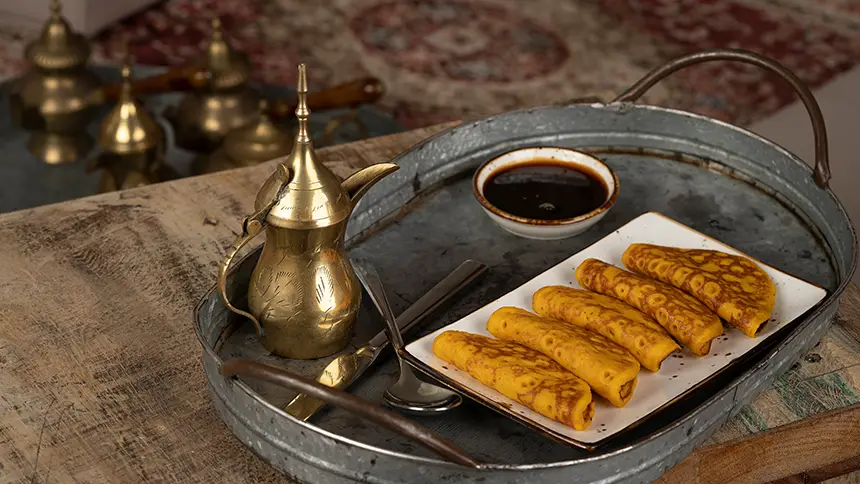
These Emirati pancakes are golden, spongy, and flavored with saffron and cardamom. They are usually eaten with date syrup or creamy cheese. Chebab is popular among children and is a breakfast item that unites generations around the table. Its use of dates connects directly to the land, as palm trees have always been a source of nourishment in the Emirates.
Khameer
This slightly sweet, fluffy bread flavored with cardamom and saffron is baked until soft and light. Khameer is traditionally paired with honey, cheese, or date molasses. It is more than food, it is a symbol of sharing, as families and guests often break bread together, reinforcing bonds of hospitality.
Bread and Porridge Varieties
Bread and slow-cooked dishes also hold a central role in Emirati breakfasts, designed to provide strength for long days in the desert.
Regag
A thin, crispy flatbread cooked on a hot griddle. Regag is versatile, it can be eaten with eggs, fish sauce, or even with sugar and butter. Every household prepares regag slightly differently, reflecting family traditions. Street vendors also make it fresh, showing how traditional breakfasts remain part of daily life in modern cities.
Harees
A dish of slow-cooked wheat mixed with meat, often chicken or lamb. It takes hours to prepare, making it a symbol of patience and care. Though commonly linked to Ramadan, harees also appear at breakfast for those who want a hearty, filling start to the day. It connects Emiratis to their ancestors, who relied on such meals for strength in the desert.
Dates with Camel Milk
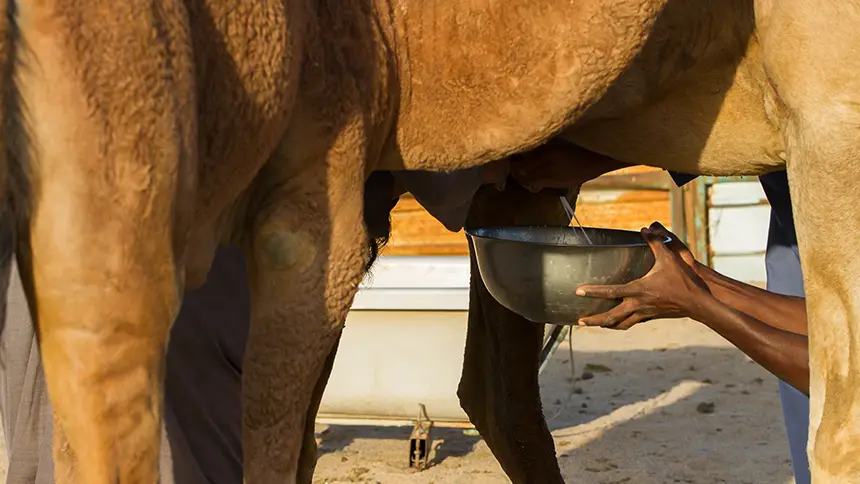
This simple but meaningful combination has been eaten for centuries. Dates are considered sacred in Islam, mentioned in the Qur’an as a blessed fruit, while camel milk was a vital source of nourishment for Bedouins. Together, they provide energy, vitamins, and a taste of history that is still cherished today.
Rituals and Social Importance
Emirati breakfast is not merely about eating; it is a communal activity that strengthens social bonds. Mornings are viewed as a time to reconnect with family and neighbors, and meals are rarely eaten in isolation.
Shared Values
- Hospitality: Guests are always welcomed to share the morning table, even without prior notice.
- Respect for Elders: The eldest in the household is usually served first, showing deep-rooted values of respect.
- Generosity: Large portions and multiple dishes reflect the Emirati belief that abundance honors visitors.
Religious Influence
Islam plays a significant role in shaping breakfast practices. Dates, for example, hold spiritual importance as they are mentioned in the Qur’an. Morning meals often follow prayers, aligning nourishment with spirituality.
Cultural Gatherings
During weekends or special celebrations, extended families come together to prepare a grand breakfast spread. Traditional floor seating on carpets and sharing of common plates encourage conversation and bonding.
Influence of Trade and Modern Adaptations
The UAE has always been a hub for trade, and its food reflects centuries of cultural exchange. Spices such as cardamom, cinnamon, saffron, and turmeric, widely used in Emirati kitchens, were brought by merchants traveling along old trade routes. Similarly, rice, tea, and coffee became integral parts of the morning meal due to maritime connections with India, Persia, and East Africa.
Coffee Rituals
Arabic coffee, known as Gahwa, is an inseparable part of mornings. Prepared with lightly roasted beans, flavored with cardamom, and served in small cups without sugar, it embodies hospitality. The ritual of pouring coffee for guests symbolizes honor and friendship.
Changing Trends
Modern life in the UAE, with its fast-paced cities and global influences, has introduced new habits. Younger generations may choose cereals, smoothies, or international dishes during busy workdays. However, on weekends or holidays, traditional spreads still dominate, ensuring cultural continuity. Many restaurants and hotels in the UAE also serve Emirati breakfasts to locals and visitors, bridging heritage with tourism.
Emirati Breakfast in Everyday Life
The role of breakfast in Emirati culture goes far beyond family homes and into the wider society. Schools often introduce traditional dishes during cultural weeks, helping children connect with their heritage from an early age. In the hospitality industry, hotels and resorts showcase their breakfasts for visitors, offering a genuine taste of local traditions and enriching the tourism experience. At the same time, nutrition plays an important role, as many Emirati breakfast staples, such as dates, fresh milk, and wheat-based dishes, are not only culturally significant but also provide natural energy and balance, supporting an active lifestyle in the region’s warm climate.
Symbol of Identity and Heritage
Breakfast is a living expression of Emirati identity. Despite rapid modernization and globalization, the morning table remains an anchor to tradition. Cooking methods, recipes, and rituals are carefully preserved and taught within families. Food festivals across the Emirates frequently showcase these dishes, ensuring that younger generations understand their value.
The importance of this cultural practice lies not only in the dishes themselves but in the emotions, values, and stories attached to them. Through breakfast, Emiratis preserve their roots while embracing change.
Conclusion
Emirati breakfast culture is a vibrant blend of history, hospitality, and heritage. It reflects the desert’s resourcefulness, the nation’s spiritual foundation, and the people’s generous spirit. From balaleet to Gahwa, every item tells a story of survival, celebration, and connection. While modern life has introduced new options, the essence of Emirati mornings remains rooted in family, tradition, and cultural pride.
Breakfast in the UAE is not just food, it is a way of life. It teaches respect, brings families closer, and reminds Emiratis of who they are. For visitors, sharing an Emirati breakfast is one of the best ways to truly understand the warmth and richness of the country’s culture.