The United Arab Emirates is a land where ancient traditions meet modern lifestyles. Among the many aspects of Emirati culture that have stood the test of time, one humble yet deeply meaningful food practice continues to connect generations: the making of pickles and preserves.
These tangy, spiced, and sun-dried delicacies are more than just condiments; they are edible memories. For centuries, Emiratis have used pickling as a way to preserve seasonal ingredients, enhance meals, and bring comfort during long desert journeys. Today, these traditional foods remind people of home, heritage, and hospitality.
The Origins of Emirati Pickling Traditions
Long before the days of refrigeration and supermarkets, Emirati families depended on natural preservation methods to keep their food edible through the region’s extreme climate. The desert’s heat and scarce water made storing fresh produce difficult, so pickling became a vital way to protect vegetables and fruits from spoiling while ensuring nutritious, flavorful food was available year-round.
At the same time, the UAE’s coastal cities, especially Dubai and Sharjah, were active trading hubs, welcoming ships from India, Persia, and East Africa. These exchanges introduced new spices, salts, and vinegars that enriched local preservation practices. Over time, pickling became a beloved household tradition, shared at family meals, Ramadan iftars, and festive gatherings, giving Emirati pickles their distinctive blend of simplicity, spice, and cultural heritage.
Ingredients that Define Emirati Pickles
Traditional pickles are created using fresh, locally available produce and a mix of flavorful spices. Each household has its own secret recipe passed down from mothers and grandmothers.
Common Ingredients
- Vegetables: Carrots, cucumbers, green mangoes, turnips, lemons, and chili peppers.
- Fruits: Dates and limes are often used for sweet-sour varieties.
- Spices: Mustard seeds, turmeric, cumin, coriander, fenugreek, and black pepper.
- Preservatives: Salt, vinegar, and sometimes date syrup for a natural sweetness.
- Oil: Some recipes use sesame or mustard oil for a richer, deeper taste.
The combination of these elements results in a delightful balance of salty, sour, spicy, and sweet.
Popular Varieties of Emirati Pickles and Preserves
Over time, different regions of the UAE developed their own favorite recipes based on local ingredients and personal taste. Here are some of the most cherished types:
Pickled Lemons (Loomi Mukhallal)
- Lemons are cut, salted, and left to ferment in the sun for several weeks.
- The process gives them a deep golden color and intense tangy flavor.
- Often used as a condiment for rice dishes, grilled fish, or lamb stew.
Mango Pickle (Mango Achaar)
- Inspired by South Asian trade connections, raw mangoes are chopped and mixed with chili, mustard seeds, and vinegar.
- The result is a spicy and aromatic pickle that pairs well with biryani or paratha.
Date Preserve (Dibs or Tamar Jam)
- Made by boiling fresh dates until thick and syrupy.
- Traditionally used as a natural sweetener for bread, desserts, or milk.
- Rich in minerals and energy, it was once a travel staple for Bedouins.
Mixed Vegetable Pickle (Mukhallal Khudra)
- Combines carrots, cucumbers, cauliflower, and turnips in a brine of vinegar and spices.
- Adds crunch and acidity to daily meals.
Spiced Lime Pickle (Laymoon Asfar)
- Green limes are cured in salt, then combined with chili, garlic, and turmeric.
- The pickle matures over time, developing a complex and slightly bitter taste.
Each type tells a story of local creativity, family traditions, and the resourcefulness of Emirati cooks.
The Art of Making Pickles: Step-by-Step
Pickling may look simple, but in Emirati culture, it is considered a careful craft that requires patience and respect for tradition.
Basic Process
- Selection: Choose firm, unblemished fruits or vegetables.
- Cleaning: Wash thoroughly and let them dry completely to avoid spoilage.
- Salting: Coat with salt to draw out moisture and begin fermentation.
- Spicing: Mix with desired spices and herbs for flavor.
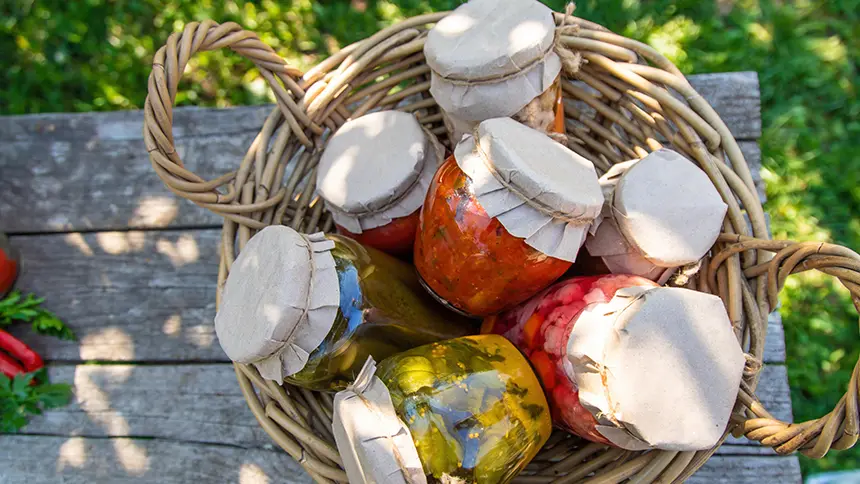
- Curing: Place in sterilized glass jars filled with vinegar or oil.
- Sun-Drying: Leave the jars in sunlight for several days or weeks to enhance taste and preservation.
- Storing: Once cured, store in a cool place. The longer it rests, the richer the flavor becomes.
Key Tips
- Avoid water during preparation to prevent bacterial growth.
- Always use clean, dry spoons when serving.
- Glass containers are preferred over plastic for maintaining purity.
This slow and mindful process transforms simple ingredients into lasting treasures.
Pickles in Daily Emirati Life
In Emirati homes, pickles and preserves hold a special place at the table, adding both flavor and tradition to daily meals. At breakfast, pickled limes and date syrup are enjoyed with khameer (sweet bread) or balaleet (sweet noodles), while at lunch or dinner, a spoonful of spicy mango or chili pickle brightens rice dishes like machboos and pairs beautifully with grilled meats. Beyond taste, serving a variety of pickles reflects warmth and generosity in Emirati hospitality, with homemade jars often shared or gifted among family and friends, keeping memories of grandmothers, family gatherings, and village life alive.
Health and Nutrition Benefits
Beyond their rich flavor, Emirati pickles and preserves offer real nutritional value when enjoyed in moderation. Fermented varieties support healthy digestion through probiotics, while ingredients like lemons and dates retain essential vitamins, minerals, and natural sugars that provide energy and hydration, especially in the UAE’s hot climate. Still, because of their high salt content, it’s best to enjoy them sparingly, and many modern households now prepare lighter versions with less oil or vinegar to keep these traditional foods both wholesome and balanced.
The Changing Role of Pickles in Modern UAE
As modern lifestyles and fast food become more common, traditional pickling has faded in some Emirati homes, but a cultural revival is bringing it back to life. Young people are learning family recipes through social media and workshops, while farmers’ markets sell organic, locally made pickles. Many restaurants and cafés now feature these condiments in creative fusion dishes, and cultural events like “Taste of Emirati Heritage” celebrate them alongside other national foods, proving that even in a rapidly changing society, cherished culinary traditions continue to adapt and thrive.
Sustainability and Tradition
Pickling promotes sustainable living, a value that holds growing importance in today’s UAE. By turning surplus fruits and vegetables into preserved foods, it helps reduce waste while supporting local farmers who provide seasonal produce. Traditional pickling methods are also eco-friendly, using minimal energy and avoiding artificial preservatives. In embracing these time-honored practices, Emirati families not only protect their culinary heritage but also contribute to a more environmentally conscious way of life.
A Taste That Connects Generations
Emirati pickles and preserves carry more than flavor, they carry emotion, memory, and belonging. From the golden jars of pickled lemons to the sweet thickness of date syrup, every bite tells a story of endurance and pride. They remind people of simpler times when families gathered to prepare food together, when flavors were crafted with care, and when meals represented more than nourishment, they represented togetherness.
Conclusion
Emirati pickles and preserves are living symbols of the nation’s culinary history. They reflect creativity born from necessity, and hospitality shaped by love. While the world continues to change, these jars of tangy and sweet goodness remain constant, bridging the old and the new. Through every spoonful, Emiratis taste not just preserved food but preserved culture, a flavor of the past that continues to enrich the present.