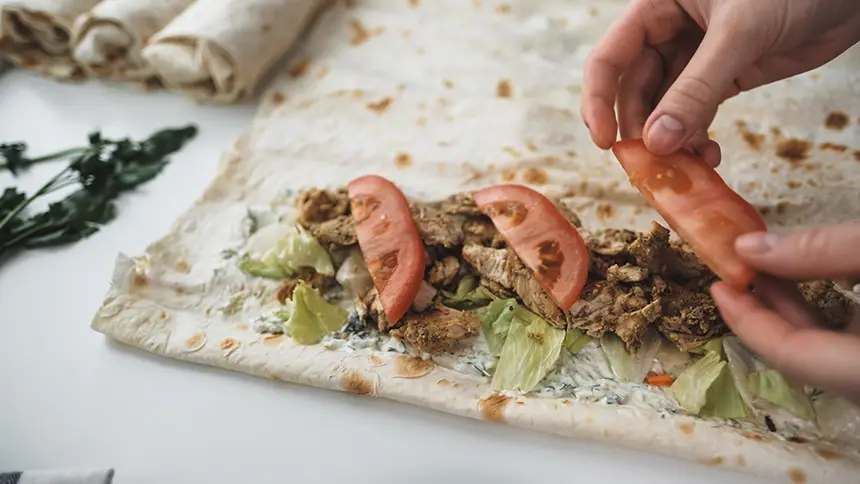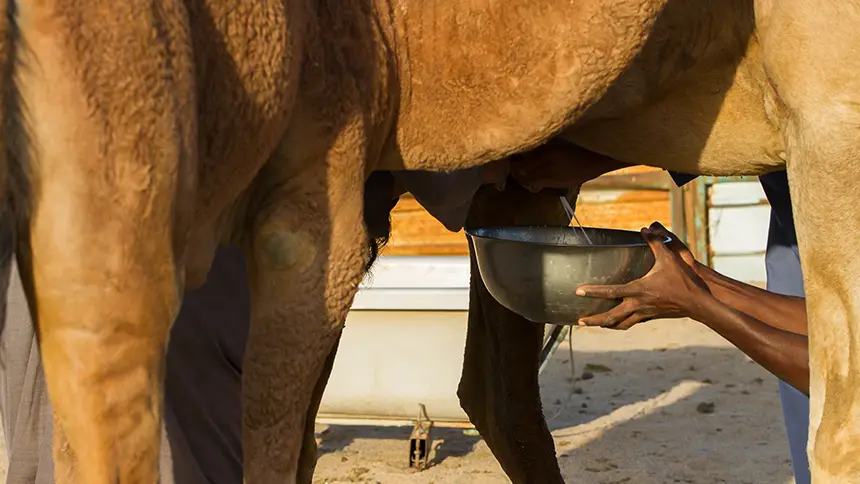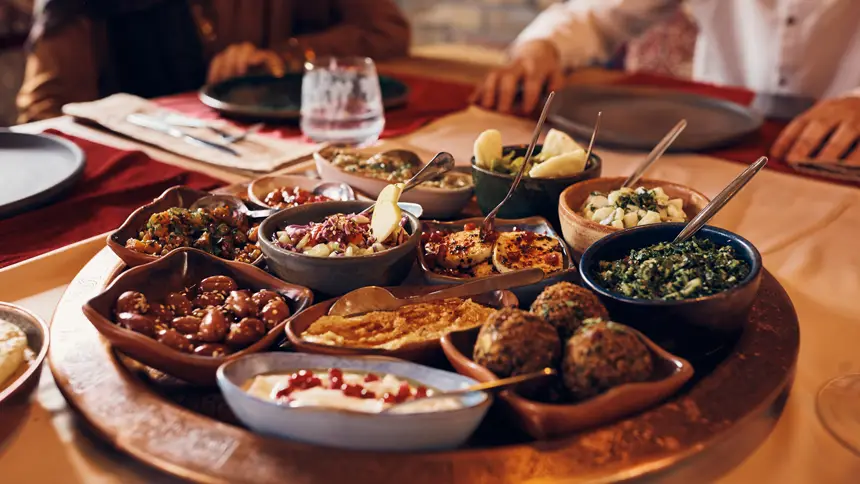
Ras Al-Khaimah (RAK), one of the seven emirates of the United Arab Emirates, is famous for its rich history, traditional lifestyle, and strong cultural values. The emirate’s culture is reflected not only in its architecture, festivals, and customs but also in its food. Traditional RAK dishes are more than just meals; they are a way to preserve heritage and pass down stories from one generation to the next. Each recipe carries the flavours, skills, and customs of the past, connecting families and communities through shared meals. Food plays a central role in social gatherings, celebrations, and family life, highlighting the emirate’s values of hospitality, respect, and togetherness. By tasting and preparing traditional Emirati dishes, both locals and visitors can experience the unique culture of Ras Al-Khaimah, making its culinary heritage an important part of cultural preservation in the UAE.
The Cultural Significance of RAK’s Cuisine
The cuisine of Ras Al-Khaimah (RAK) holds great cultural significance, serving as a link between the past and the present. Traditional recipes and cooking methods are carefully passed down through generations, helping families preserve the emirate’s rich culinary heritage. Food in RAK is not only about taste but also reflects important social values such as hospitality, generosity, and family bonding. Sharing meals with relatives, neighbours, and guests is a key part of daily life, showing respect and strengthening relationships.
Many traditional dishes are also prepared for special occasions, including festivals, weddings, and religious events, marking these moments with unique flavours and customs. By enjoying RAK’s local cuisine, people can connect with the emirate’s history, understand its traditions, and experience its cultural identity. In this way, food becomes a powerful tool for preserving and celebrating Ras Al-Khaimah’s heritage in the modern world.
Popular Traditional Dishes
Harees
Harees is a traditional wheat and meat porridge that is soft, creamy, and full of flavour. It is especially popular during Ramadan and festive occasions. Families gather to prepare and share Harees, making it a dish that brings people together and highlights the values of unity and generosity in RAK’s culture.
Machboos
Machboos is a spiced rice dish cooked with meat or fish, reflecting the rich flavours of Emirati cuisine. Often served during family meals and celebrations, Machboos represents the local culinary heritage and is a symbol of hospitality and tradition in Ras Al-Khaimah.
Luqaimat
Luqaimat are small, sweet dumplings drizzled with date syrup or honey. They are commonly enjoyed during festivals and special occasions. This popular dessert not only delights the taste buds but also strengthens family bonds as it is often made and shared together.
Samboosa
Samboosa are savoury pastries filled with meat, vegetables, or cheese. They are a favourite snack during social gatherings and Ramadan. Sharing Samboosa is a way to show generosity and hospitality, reflecting RAK’s cultural values.
Balaleet
Balaleet is a sweet and savoury vermicelli dish often eaten for breakfast. Flavoured with cardamom and saffron, it is sometimes served with eggs. Balaleet is a traditional dish that connects families to Emirati culinary heritage and cultural traditions.
How Food Preserves Cultural Identity
Food plays a vital role in preserving the cultural identity of Ras Al-Khaimah (RAK) and connecting people to their heritage. One of the main ways this happens is through teaching traditions. Elders in families pass down recipes, cooking skills, and knowledge of local ingredients to younger generations, ensuring that the unique flavours and techniques of RAK’s cuisine are never lost. Shared meals also help to strengthen communities, as family gatherings, festivals, and social events bring people together around the table.
These moments foster social ties, encourage cooperation, and reinforce values such as hospitality, respect, and generosity. Moreover, RAK’s traditional cuisine attracts tourists who wish to experience authentic Emirati culture. Visitors learn about the emirate’s history, customs, and lifestyle simply by tasting local dishes and watching them being prepared. Many traditional foods are linked to religious and seasonal celebrations, marking important events in the community’s calendar. In this way, food in Ras Al-Khaimah not only nourishes the body but also preserves its rich cultural identity for generations to come.
Food and Family: The Heart of RAK Society
In Ras Al-Khaimah (RAK), food is much more than just nourishment; it is the heart of family life and plays a crucial role in shaping social values. Meals are central to daily life, bringing family members together and promoting unity, respect, and understanding between generations. Preparing and sharing traditional dishes is an important way to teach children about cultural values, manners, and etiquette, as they learn the importance of hospitality, generosity, and cooperation.
Family members often cook together, passing down recipes, techniques, and family secrets that have been cherished for generations. Traditional foods are also tied to celebrations, festivals, and special occasions, creating lasting memories that strengthen the bonds between relatives. These shared experiences help preserve the emirate’s cultural heritage and ensure that younger generations remain connected to their roots. By enjoying authentic RAK cuisine at home or during family gatherings, locals can experience the richness of Emirati culture, making food a vital tool in maintaining both family traditions and the broader cultural identity of Ras Al-Khaimah.
Conclusion
Food in Ras Al-Khaimah (RAK) serves as a powerful bridge between the past and the present, helping to keep the emirate’s rich culture alive. Traditional dishes are more than just meals; they are a way to preserve heritage, share family values, and pass customs down through generations. By preparing and enjoying authentic RAK cuisine, families maintain a strong connection to their roots, teaching younger members about hospitality, respect, and community. Preserving these culinary traditions is essential for maintaining the emirate’s unique cultural identity in a rapidly modernising world. Moreover, exploring RAK’s food allows both locals and visitors to experience its history, traditions, and social values firsthand. From daily meals to special celebrations, the flavours, recipes, and customs of Ras Al-Khaimah offer a window into the emirate’s heritage. In this way, food becomes not only nourishment for the body but also a celebration of culture, memory, and community.