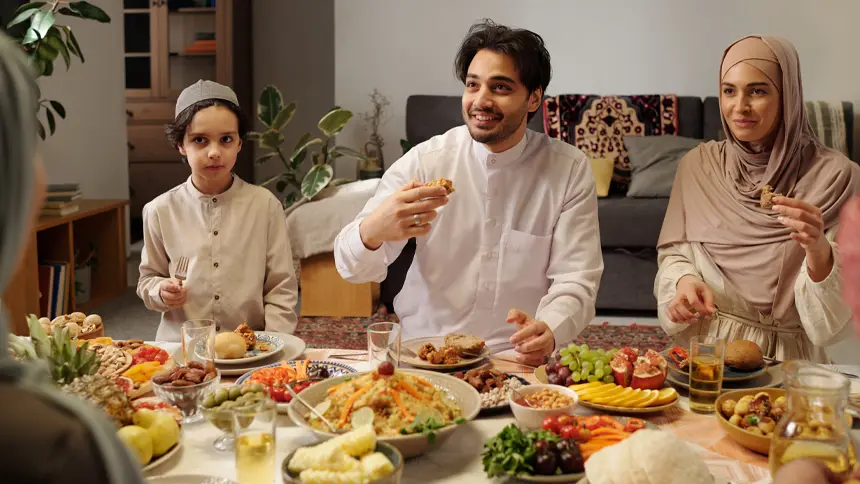
Ramadan and Eid are two of the most important religious celebrations in the United Arab Emirates. Ramadan is a holy month when Muslims fast from sunrise to sunset, focusing on prayer, kindness, and self-discipline. Eid al-Fitr is the joyful festival that marks the end of the month of fasting. Food plays a very important role in both occasions, not only as a source of nourishment but also as a symbol of gratitude and togetherness. Special meals are prepared to celebrate these moments, and many traditional dishes have been passed down through generations. Family gatherings are a key part of these events, as relatives come together to share meals, reconnect, and show hospitality. Welcoming guests, offering food, and sharing blessings are essential Emirati values that help strengthen bonds within the community during Ramadan and Eid.
Significance of Festive Meals in Emirati Culture
Festive meals hold a very special place in Emirati culture, especially during Ramadan and Eid, because they reflect important values and traditions that have been followed for many generations. Sharing food is seen as a symbol of unity, as it brings people together regardless of age, background, or status. When families gather around the table, they share not only meals but also moments of kindness, gratitude, and togetherness. Traditional hospitality values are also clearly shown during these celebrations. Emiratis take great pride in welcoming guests, offering generous portions of food, and making sure everyone feels comfortable and respected.
This strong sense of hospitality is considered an important part of their identity. During the holy months, community bonding becomes even stronger. Neighbours exchange dishes, families visit each other more often, and people come together for prayers and communal meals. Many mosques and community centres also organise Iftar meals for those in need, showing how food is used to support and care for others. These practices help create a warm and supportive atmosphere throughout Ramadan and Eid. Overall, festive meals play a key role in strengthening relationships, preserving cultural values, and reminding people of the importance of sharing and kindness in Emirati society.
Ramadan Meals
Iftar: Breaking the Fast
- Dates and water tradition
Popular Iftar dishes
- Harees
- Tharid
- Machboos
- Salona (meat and vegetable stew)
Traditional drinks
- Jallab
- Laban
Suhoor: Pre-Dawn Meal
Suhoor is the pre-dawn meal eaten before fasting begins, and it is an important part of Ramadan in the UAE. Families usually choose light and nutritious foods that can provide energy throughout the day, such as fruits, eggs, dates, and yoghurt. Traditional breads like khameer and raqqaq are also commonly eaten, often served with cheese, honey, or dairy items to keep the meal simple yet filling. Staying hydrated is essential at Suhoor, so people drink plenty of water and sometimes milk or laban to help them manage the long hours of fasting. This meal helps prepare the body for the day ahead and supports a healthy and steady fast.
Eid al-Fitr Festive Foods
Main Dishes
During Eid al-Fitr, Emirati families prepare a variety of rich and flavourful main dishes to celebrate the end of Ramadan. One of the most popular dishes is Ouzi, a spiced lamb served with fragrant rice, nuts, and raisins. It is often cooked slowly until the meat becomes soft and tender. Machboos is another favourite, and families enjoy different variations of this dish made with chicken, lamb, or fish, all cooked with traditional spices. Grilled meats are also common during Eid, as families gather outdoors to barbecue kebabs and other cuts of meat. These main dishes reflect the joy of the occasion and the Emirati love for sharing generous meals.
Traditional Sweets and Desserts
Eid al-Fitr is also known for its delicious sweets and desserts, which are enjoyed by both children and adults. Luqaimat is one of the most famous small, crispy golden dumplings covered in date syrup or honey. Another popular dish is Balaleet, a unique combination of sweet vermicelli and eggs, often served for breakfast on Eid morning. Families also enjoy Khabees, a traditional dessert made from roasted flour, sugar, and spices, giving it a rich and comforting taste. Along with these sweets, Arabic coffee and dates are offered to guests as a sign of hospitality. These treats help make Eid celebrations warm, joyful, and full of tradition.
Cultural Traditions and Family Practices
Cultural traditions and family practices play an important role in the celebration of Ramadan and Eid across the United Arab Emirates. During these special occasions, visiting relatives and neighbours becomes a meaningful habit that strengthens relationships within the community. Families often spend the day going from one home to another, greeting loved ones, sharing prayers, and exchanging warm wishes. These visits help keep family bonds strong and remind people of the value of spending time together. Another important tradition is sharing meals with guests. Hospitality is a central part of Emirati culture, and during Ramadan and Eid, it becomes even more visible.
Homes are filled with delicious dishes, and guests are always welcomed with generosity and respect. Whether it is offering dates and Arabic coffee or serving a full festive meal, Emiratis take pride in making their visitors feel special and appreciated. Gift-giving is also an exciting part of the celebrations, especially for children. During Eid, youngsters receive small presents or money known as “Eidiya,” along with sweets and treats that make the day joyful and memorable. These gifts symbolise love, blessings, and happiness, creating a cheerful atmosphere for families. Overall, these traditions visiting relatives, sharing meals, and giving gifts help bring people closer, promote kindness, and ensure that the spirit of togetherness remains at the heart of Emirati culture during the holy month and the festive days that follow.
Conclusion
Traditional Emirati festive meals and practices during Ramadan and Eid play a very important role in bringing families and communities together. The dishes prepared during these special days not only provide nourishment but also reflect the country’s deep cultural values of sharing, kindness, and hospitality. From Suhoor and Iftar meals to the joyful feasts of Eid, food becomes a way for people to connect, celebrate, and show gratitude. Visiting relatives, sharing meals with guests, and giving gifts to children all help create a warm and loving atmosphere. These traditions remind everyone of the importance of unity and caring for others. As the UAE continues to grow and modernise, these festive customs help preserve the nation’s heritage and strengthen the bonds between generations. Through these meaningful celebrations, the spirit of togetherness remains at the heart of Emirati culture.