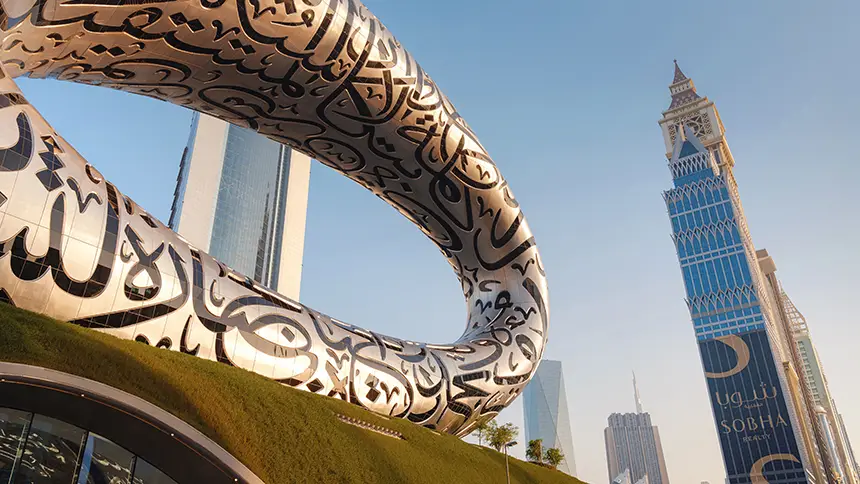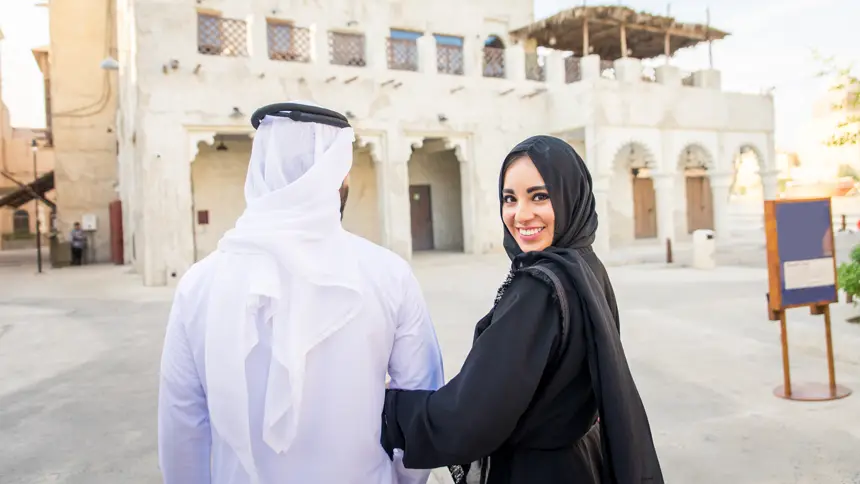
Umm Al Quwain (UAQ), the smallest and one of the most peaceful emirates in the United Arab Emirates, is a unique place where traditional culture and modern life exist together in harmony. Unlike the busy cities of Dubai and Abu Dhabi, which are known for skyscrapers and luxury lifestyles, the emirate focuses on preserving its heritage while developing carefully. This northern emirate protects important historical sites such as UAQ Fort and supports traditional activities like fishing, handicrafts, and cultural festivals. At the same time, it has introduced modern schools, hospitals, roads, and eco-friendly tourism projects to improve the quality of life for residents. Community values, respect for elders, and family traditions remain strong despite modern influences. This balance between cultural preservation and development makes the region an excellent example of how a place can grow without losing its identity, offering both tradition and progress to future generations.
Protecting Historical Landmarks and Heritage Sites
The emirate plays an important role in protecting historical landmarks and heritage sites that reflect its rich cultural past. One of the most famous places is UAQ Fort, which has been carefully restored and now serves as a museum displaying traditional tools, weapons, and artefacts from Emirati life. Old watchtowers and traditional buildings are also preserved to show how people lived and defended their communities in earlier times.
The region supports museums that present the history of fishing, pearl diving, and trade, which were once the main sources of income. Conservation of traditional architecture helps maintain the original design and materials used by ancestors. Cultural tours are organised for both residents and visitors so they can learn about Emirati heritage in an engaging way. These efforts help younger generations understand their roots while educating tourists about the importance of preserving history in modern society.
Celebrating Traditional Festivals in a Modern Way
In the emirate, traditional festivals are celebrated in a modern and exciting way, bringing the community together while preserving Emirati customs. Events such as UAE National Day are marked with colourful cultural performances, flag displays, and fireworks that attract both residents and tourists. During Ramadan and Eid, families gather in public spaces for prayers, charity activities, and shared meals, strengthening social bonds and promoting kindness.
Traditional music and dances like Ayalah and Yowla are performed on special occasions to keep these art forms alive for younger generations. At the same time, modern event management and digital promotions through social media and local websites help spread awareness and increase participation. These celebrations show how the northern emirate successfully combines old customs with new technology, making cultural festivals more accessible, enjoyable, and meaningful in today’s modern society.
Supporting Local Crafts and Traditional Occupations
The region continues to support local crafts and traditional occupations that have been part of Emirati life for many generations. Fishing and pearl diving were once the main sources of income for the people of UAQ, and these activities are still remembered and respected today. Local markets sell handmade goods such as baskets, pottery, and woven items, allowing artisans to share their skills with the public.
The government provides support for craftsmen through cultural programmes and heritage initiatives that encourage the preservation of traditional skills. Cultural exhibitions and fairs are organised to display traditional tools, clothing, and artwork, helping visitors understand the emirate’s history. Workshops are also held for young people so they can learn skills such as weaving and boat-making. These efforts keep cultural knowledge alive while also creating economic opportunities for local communities.
Education That Blends Heritage with Innovation
In the emirate, education is designed to combine modern learning with a strong understanding of Emirati heritage. Schools and cultural centres teach students both contemporary subjects, such as science and technology, and traditional lessons about the country’s history and values. Heritage topics are included in school curricula to help children learn about local traditions, historical landmarks, and Emirati culture. Arabic language and Islamic studies are emphasised, ensuring that students remain connected to their roots while developing essential skills for the modern world.
Classrooms are increasingly technology-driven, with smart boards, computers, and interactive learning tools used to make lessons engaging and effective. Cultural competitions, exhibitions, and school events provide opportunities for students to showcase traditional arts, crafts, and music. This approach ensures that young people in the northern emirate grow up respecting their culture while being well-prepared for higher education and future careers, striking a balance between tradition and innovation.
Modern Infrastructure with Cultural Sensitivity
The region is developing modern infrastructure while respecting its traditional environment and peaceful character. Unlike larger cities such as Dubai and Abu Dhabi, UAQ focuses on low-rise buildings rather than heavy skyscrapers, keeping the skyline calm and in harmony with nature. Natural landscapes, including beaches, mangroves, and desert areas, are carefully preserved to maintain the emirate’s unique beauty and biodiversity. Eco-friendly tourism projects, such as sustainable resorts and nature-based activities, allow visitors to enjoy modern comforts without harming the environment.
Even modern buildings often include traditional design elements, such as wind towers, arches, and decorative motifs, blending contemporary architecture with local heritage. Roads, schools, and hospitals are upgraded to meet modern standards, but careful planning ensures that development does not disturb the community’s lifestyle or the emirate’s cultural identity. This approach makes the emirate a model of balanced growth, combining progress with respect for tradition.
Community Life Rooted in Family and Social Values
In the northern emirate, community life remains deeply rooted in family and social values, even as modern lifestyles develop. Traditional practices such as Majlis gatherings, where families and neighbours meet to discuss important matters, continue to play an important role in decision-making and social bonding. Community celebrations, festivals, and shared meals strengthen relationships and bring people together, helping residents maintain a sense of unity.
Respect for elders and adherence to long-standing traditions are highly valued, ensuring that cultural knowledge and customs are passed down through generations. Neighbourhoods in the region are known for their supportive and close-knit culture, where people help one another and celebrate life collectively. While modern facilities, schools, and entertainment options are now widely available, careful planning ensures that technological and urban development does not weaken the social fabric. This balance allows the community to grow while keeping cultural identity strong.
Tourism That Highlights Culture and Nature
The emirate promotes tourism that combines cultural heritage with the beauty of nature, offering visitors both tradition and modern comfort. Heritage villages and museums allow tourists to explore Emirati history, traditional crafts, and local lifestyles, giving a glimpse into the past. Its natural attractions, such as mangrove forests, sandy beaches, and desert landscapes, provide opportunities for outdoor activities and relaxation. Cultural tours and desert experiences, including camel rides and traditional music performances, help visitors understand local customs and traditions.
Eco-tourism projects and sustainable travel initiatives ensure that tourism growth does not harm the environment, protecting wildlife and natural habitats for future generations. Modern resorts, restaurants, and visitor facilities make the experience comfortable without compromising the authentic cultural and natural surroundings. By highlighting both heritage and nature, the region offers a unique tourist experience where people can enjoy contemporary amenities while learning about Emirati history, values, and traditions.
Conclusion
The emirate is a remarkable example of how a community can grow and modernise while keeping its cultural heritage alive. By protecting historical landmarks, celebrating traditional festivals, supporting local crafts, and developing infrastructure with respect for the environment, UAQ ensures that its rich traditions are preserved for future generations. Education, community life, and tourism are all carefully planned to balance modern comforts with Emirati values. Residents continue to enjoy a peaceful lifestyle rooted in family bonds, social traditions, and respect for elders, even as the area embraces innovation and sustainable growth. This harmonious approach shows that modernisation and tradition do not have to conflict. The region demonstrates that it is possible to enjoy the benefits of progress while maintaining a strong cultural identity, making it a model for other areas seeking to combine history, community, and modern life successfully.