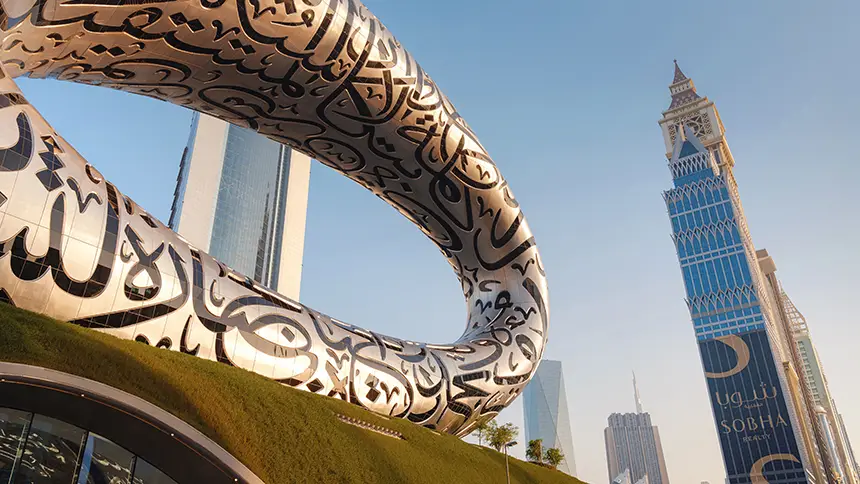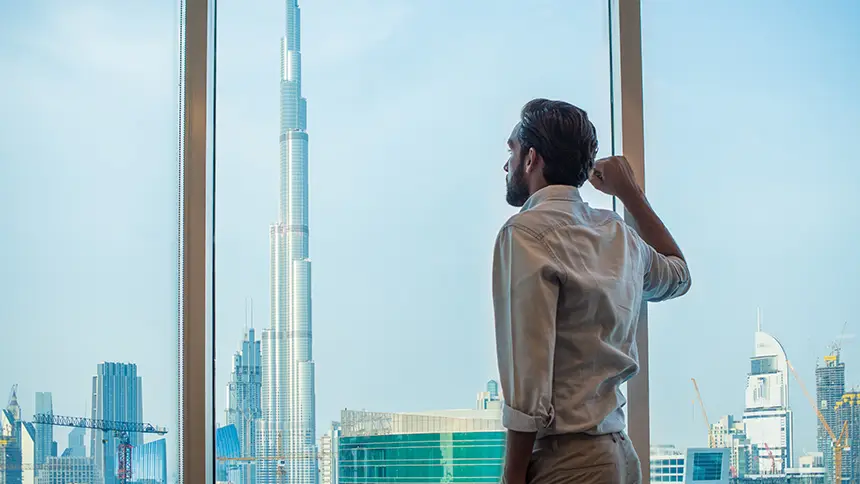
Dubai is a modern and fast-growing city in the United Arab Emirates. It is known for its tall skyscrapers, beautiful beaches, and busy shopping malls. Many people from around the world come to the city to work, study, or explore new opportunities. The emirate is safe, clean, and has many facilities that make life comfortable for residents. Expats are attracted to the city because it offers good jobs, a high standard of living, and a chance to meet people from different cultures. There are also many entertainment options, including parks, museums, desert safaris, and world-famous restaurants. This guide is made for newcomers and people planning to move to the emirate. It will help you understand important things like housing, jobs, transportation, culture, and daily life. By reading this guide, you can plan your move better and enjoy your life in the city more easily.
Preparing to Move
Visa and Work Permits
Getting a visa is the first step for anyone who wants to live or work in the emirate. There are different kinds of visas, such as employment visas, residence visas, student visas, and investor visas. Most people come with a work visa, which is arranged by their company before they arrive. Expats need to have a valid passport, a job offer, and medical tests to complete the process. Family members can also get residence visas if the main earner meets the income requirement. Student visas are given to those studying in the city’s universities, while investors and business owners can apply for special long-term visas. The UAE government has also introduced a Golden Visa for skilled professionals, investors, and talented people. Having the right visa is very important because it allows you to live, work, and enjoy all the facilities in the metropolis without any legal problems.
Housing and Accommodation
Finding a place to live in the city is easy because there are many options for different budgets. Popular areas for expats include Downtown the emirate, Marina, Jumeirah, and Business Bay, where people can enjoy modern apartments and great views. Families often choose places like Mirdif or Arabian Ranches because they are quiet and have schools, parks, and shops nearby. Most newcomers prefer renting since buying property can be costly at first. Rent is usually paid every few months or once a year, depending on the agreement. Those who plan to stay for a long time sometimes buy homes, as it can be a good investment. Many buildings also have facilities like swimming pools, gyms, and security services. Whether renting or buying, it’s important to check contracts carefully and understand what is included before moving in.
Cost of Living
The cost of living in the emirate can be high, but it depends on your lifestyle and choices. Housing is usually the biggest expense, especially in areas close to the city center. Transportation is well-organized with buses, the metro, and taxis that make traveling easy and safe. Many people also buy cars for convenience. Grocery prices vary — local markets offer cheaper fruits, vegetables, and meats, while imported goods in supermarkets can be more expensive. Eating out, going to cafes, and enjoying entertainment like malls or cinemas add to monthly spending. Utility bills for water, electricity, and internet also need to be considered. However, there are ways to save money by choosing affordable neighborhoods, using public transport, and cooking at home. With smart planning, expats can live comfortably in the metropolis while enjoying everything the emirate has to offer.
Finding a Job in Dubai
Finding a job in the city is one of the main reasons many people move to the emirate. The job market is strong, offering many chances in fields like construction, tourism, healthcare, education, banking, and technology. Many international companies have offices in the emirate, which helps expats find good career options. The city also welcomes skilled workers, professionals, and fresh graduates from different countries. To get a job, it’s helpful to prepare a clear CV and apply through trusted websites or company pages. Networking with people in your field and attending career fairs can also increase your chances. Knowing English is very important, and learning some Arabic words can be an advantage. Employers usually look for workers who are experienced, professional, and willing to adapt to the city’s culture. With patience and preparation, newcomers can build a successful career and enjoy working in the emirate’s modern environment.
Understanding Dubai’s Culture and Lifestyle
Local Customs and Etiquette
The city is a place that respects its traditions while welcoming people from around the world. When it comes to dress codes, modest clothing is expected in public places. Men and women should avoid wearing very short or revealing outfits, especially in malls, offices, or religious sites. However, swimwear is allowed at beaches and hotel pools. Respect for others is very important in the emirate’s culture. People greet each other politely and avoid loud behavior in public. Showing affection in open areas is not common and should be kept private. During Ramadan, everyone should avoid eating or drinking in public during the day as a sign of respect for those who are fasting. Being polite, kind, and understanding of local customs helps newcomers fit in easily and earn respect from others. Following these simple manners makes living in the metropolis a pleasant and peaceful experience.
Language and Communication
Language in the city is a mix of many cultures because people from different countries live and work there. Arabic is the official language, but English is used almost everywhere — in schools, offices, restaurants, and shops. Most signs, menus, and announcements are written in both languages, making it easy for newcomers to understand. Other languages like Hindi, Urdu, Tagalog, and Malayalam are also commonly heard. Learning a few Arabic phrases can help expats connect better with locals. Simple words like “Shukran” (thank you), “Marhaban” (hello), and “Ma’a salama” (goodbye) show respect and friendliness. Communication in the city is polite and professional, so it’s important to speak clearly and listen carefully. Using kind words and greetings helps build good relationships. Knowing different languages makes daily life easier and helps newcomers feel more confident while living in the emirate.
Leisure and Entertainment
The city is full of fun and exciting things to do for people of all ages. The metropolis is famous for its shopping malls like The Dubai Mall and Mall of the Emirates, where visitors can shop for top brands, enjoy indoor theme parks, and even go ice skating. Dining in the emirate is a special experience, with restaurants serving food from all over the world — from street snacks to luxury meals. At night, the city comes alive with bright lights, music, and lively cafes where people relax with friends. Outdoor lovers can try desert safaris, hot air balloon rides, and beach activities like jet skiing or paddleboarding. Popular attractions such as the Burj Khalifa, Dubai Fountain, and Global Village offer endless entertainment. With so many options, the metropolis always has something new to explore, making life exciting for both locals and visitors.
Education and Healthcare
Schools and Education Options
Dubai has many excellent schools that offer quality education for children from around the world. Most expat families choose international schools because they follow global standards and teach in English. These schools offer different curriculums such as British, American, Indian, and International Baccalaureate (IB), allowing parents to pick what suits their child best. Many schools also provide modern classrooms, computer labs, sports areas, and art programs to support all-round development. Teachers come from various countries, helping students learn about different cultures and values. School fees can be high, but the education level and facilities are usually very good. Admission often requires documents like passports, previous report cards, and health records. Education in Dubai focuses on discipline, creativity, and respect, helping students grow with confidence and prepare for their future goals.
Healthcare System
Dubai has a strong healthcare system that offers excellent medical care to everyone. The city has many modern hospitals and clinics with skilled doctors, nurses, and advanced equipment. Both government and private hospitals provide services such as checkups, surgeries, and emergency treatment. Popular hospitals like Dubai Hospital, Rashid Hospital, and Mediclinic are known for their good facilities. Health insurance is very important in Dubai, as it helps cover the cost of medical treatment. Employers usually provide insurance for their workers, and family members can be added to the plan. People without coverage must buy their own policy before getting a residence visa. Clinics are found in almost every neighborhood, making it easy to get medicines or visit a doctor. With proper insurance and access to quality care, residents can stay healthy and feel safe living in Dubai.
Transportation and Getting Around
Getting around Dubai is easy and comfortable because the city has a well-planned transport system. Public transport includes the Dubai Metro, buses, and trams, which are clean, safe, and air-conditioned. The Metro connects major areas, making it a popular choice for daily travel. Buses cover routes to almost every part of the city at affordable prices. Many people also use taxis or ride-hailing apps like Uber and Careem, which are available anytime and offer quick service. For those who prefer to drive, Dubai’s wide roads and clear signs make driving simple, but it is important to follow traffic rules and speed limits strictly. A local driving license is required, and seatbelts must be worn at all times. Parking is available in most places, and fuel is cheaper compared to many other countries. With so many transport options, moving around Dubai is convenient for both residents and visitors.
Financial Planning
Financial planning is very important for anyone living in Dubai to manage money easily and avoid problems. Opening a bank account is simple, and most banks offer services for expats, including savings accounts, debit cards, and online banking. You usually need a passport, visa, and a job letter to open an account. Many people send money to their families in other countries, and banks or money transfer apps make this fast and secure. Dubai has no personal income tax, which helps residents save more money, but it is important to follow financial rules and keep records of earnings and expenses. Utility bills, rent, groceries, and transport costs should also be planned each month. Using a budget helps manage spending and avoid debt. By understanding banking, transfers, and local regulations, newcomers can handle finances safely and enjoy life in Dubai without money worries.
Safety and Legal Considerations
Safety is very important for anyone living in Dubai, and the city is known for being one of the safest in the world. Expats must follow local laws strictly, as breaking rules can lead to fines or serious punishment. Drinking alcohol is allowed only in licensed places, and public behavior should always be polite and respectful. Showing affection in public or using offensive language is not allowed. It is also important to dress modestly and respect religious practices, especially during Ramadan. For emergencies, people can call 999 for police, 998 for ambulance, and 997 for the fire department. Simple safety tips include locking doors, avoiding isolated areas at night, and keeping personal belongings safe. Being aware of cultural sensitivities, like greeting people politely and following local customs, helps newcomers feel comfortable and respected. By following these rules and tips, expats can enjoy life in Dubai safely and peacefully.
Tips for a Smooth Transition
Moving to a new city like Dubai can be exciting but also challenging, so some planning helps make the transition smooth. Joining networking events and community groups is a great way to meet people and learn more about the city. Many expats find friends through clubs, social media groups, or local events, which makes settling in easier and more enjoyable. It is also important to be open-minded and patient while adapting to Dubai’s lifestyle, which may be different from your home country. Learning about local customs, transportation, shopping, and food helps newcomers feel comfortable quickly. Trying new activities like desert trips, beach outings, or visiting cultural sites also helps in understanding the city better. Building a routine, staying connected with family, and exploring neighborhoods slowly makes life easier. With time and effort, expats can enjoy Dubai fully and feel at home in their new environment.
Conclusion
Living in Dubai as an expat can be a rewarding and exciting experience. This guide has covered important points like finding a job, understanding local culture, managing finances, choosing housing, and exploring schools and healthcare. We also discussed transportation, safety, and ways to make friends while settling in. By knowing these key aspects, newcomers can plan better and feel more confident in their daily life. Dubai offers many opportunities for learning, work, and leisure, and being open to new experiences helps expats enjoy the city fully. Following local rules, respecting traditions, and connecting with the community make life smoother and more enjoyable. With careful planning and a positive attitude, living in Dubai can be safe, fun, and comfortable. Expat life here allows people to grow personally and professionally while experiencing a unique mix of cultures and modern city life.