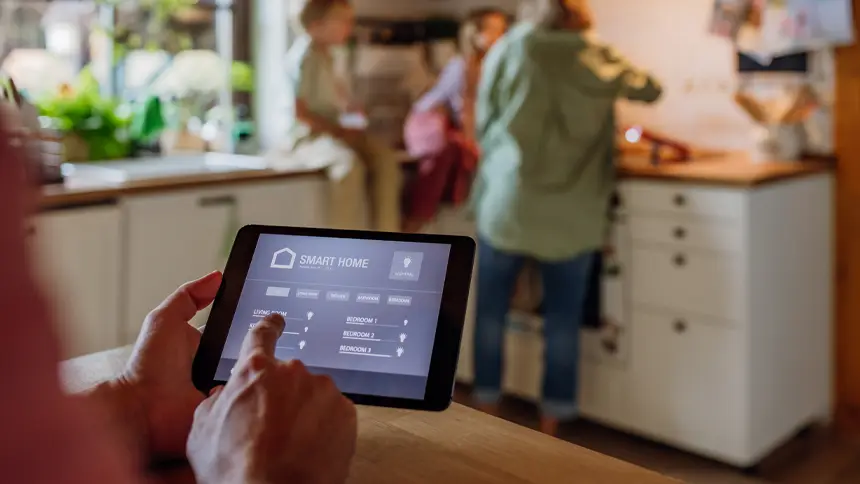
The United Arab Emirates has always been known for adopting new ideas quickly. Over the past decade, another major shift has taken place; homes powered by artificial intelligence. These living spaces are not only about comfort or beauty. They represent a fresh way of living where technology quietly supports daily routines, safety, energy control, and personal well-being. This article explores how the country is shaping a modern lifestyle built around smart home culture, why it is becoming popular, and how residents experience it each day.
The Rise of Intelligent Living Spaces
Across Dubai, Abu Dhabi, Sharjah, and the other Emirates, more residents are choosing automated homes equipped with sensors, digital assistants, and remote-controlled systems. This shift is driven by a desire for spaces that save time, reduce effort, lower monthly expenses, and offer a personalised living experience. The UAE leads this movement because national plans encourage innovation, modern buildings support advanced technology, and people are eager to embrace new lifestyle trends. With growing interest in sustainable living and efficient systems, smart home culture has become a natural part of daily life, especially for younger families, frequent travellers, and busy professionals who value convenience and comfort.
What Makes a Home “Smart”?
A smart home is a space where connected devices communicate with each other and respond to instructions automatically or through apps. Instead of controlling every switch by hand, the system uses data to predict needs and act at the right moment.
Key elements
- Central hub: The brain that links different devices.
- Smart sensors: Detect movement, temperature, light, or sound.
- Machine-learning tools: Study habits and adjust settings.
- Voice assistants: Allow hands-free instructions.
- Cloud support: Stores preferences securely.
These components work together to make living more fluid and responsive.
AI at the Heart of the Modern UAE Home
AI plays a strong role in the smart home culture rising across the Emirates. It does more than follow commands—it observes routines, learns patterns, and makes decisions that match the user’s lifestyle.
Examples of AI-driven home functions
- Temperature management: Adjusts cooling based on sunlight and outdoor warmth.
- Adaptive lighting: Changes brightness depending on time of day and mood.
- Predictive maintenance: Warns when an appliance may need repair.
- Energy control: Cuts power use when rooms are empty.
- Security alerts: Identifies unusual activity and sends instant warnings.
These abilities help create a living environment that adjusts itself without constant manual input.
Why Smart Home Culture Fits UAE Life
Life in the UAE is fast-paced, diverse, and highly modern, making intelligent homes a perfect match for daily living. Many factors drive their adoption, including busy schedules that benefit from automated tasks, a harsh climate that requires efficient cooling supported by AI, and a travel-heavy lifestyle where remote monitoring provides reassurance. Additionally, the country’s modern architecture allows advanced systems to be integrated easily, and a tech-friendly society encourages people to try new tools and upgrade their way of living. As a result, homes that adapt to residents’ needs to deliver greater comfort, stronger safety, and smoother daily routines.
Everyday Experiences in an AI Home
For many households, smart living has become part of the daily rhythm. From morning until night, small moments are improved by automation.
Morning
- Curtains open gently at sunrise.
- Coffee machines start brewing.
- Weather updates and traffic news play automatically.
Afternoon
- Indoor temperature stays steady despite outdoor heat.
- Appliances adjust energy consumption while residents are away.
- Delivery notifications appear instantly.
Evening
- Lights shift to warm tones for relaxation.
- Doors lock automatically when everyone is inside.
- Entertainment systems create the perfect movie-night setting.
These moments may feel simple, but together they build a smoother, more enjoyable living experience.
Security and Peace of Mind
Safety is one of the main reasons people choose smart living in UAE communities, as AI-based systems provide strong protection while staying simple to operate. Features such as cameras with intelligent recognition, automatic door sensors, real-time phone alerts, smoke and gas detection, and digital visitor logs work together to create a secure environment. These tools help residents feel confident and protected, giving both families and individuals a strong sense of trust and peace of mind.
Energy Awareness and Sustainable Living
Sustainability is a key priority for the UAE, and AI-powered homes play an important role in supporting national goals for cleaner living by reducing unnecessary energy use. Smart systems help by turning off cooling in unused rooms, tracking weekly and monthly consumption, lowering electricity use during peak hours, dimming lights when natural daylight is available, and running appliances when overall demand is low. Together, these actions not only decrease household expenses but also reduce the home’s environmental impact.
Smart Appliances Changing Daily Routines
Modern kitchens, laundry areas, and cleaning tools increasingly feature digital functions that make everyday chores easier, especially in newly built homes and furnished flats. Refrigerators can suggest meal plans, washing machines choose the best settings, robot cleaners map the floor, dishwashers adjust water flow, and ovens run automatic cooking programs. Together, these smart appliances streamline tasks and save valuable time, making them especially useful for busy households.
Smart Communities and Buildings in the UAE
Many new developments in the UAE are moving beyond individual smart homes and creating fully connected neighbourhoods. These smart communities feature shared energy systems, central building monitoring, automated parking, intelligent waste collection, and app-based visitor access. Together, these integrated systems offer convenience and efficiency to entire communities, enhancing the living experience for every resident, not just a single household.
Challenges and Considerations
Although AI homes offer many advantages, there are a few things residents must consider.
Common challenges
- Cost of advanced devices
- Need for stable internet
- Regular updates
- Learning curve for new systems
- Compatibility between different brands
However, these challenges are slowly becoming easier to handle as technology evolves.
The Future
The future of smart home culture in the UAE is set to grow even further in the coming decade, with expanding infrastructure and new ideas creating living spaces that are even more adaptive and intelligent. Upcoming trends include deeper integration with electric vehicles, emotion-responsive lighting and sound, advanced wellness tools that monitor sleep and stress, portable robot assistants, and homes that communicate directly with city systems for smoother services. Together, these developments will make daily life across the UAE more personalised, efficient, and connected than ever before.
Conclusion
Smart home culture in the UAE is becoming a normal part of life. People want homes that save time, improve comfort, increase safety, and support a modern way of living. AI helps make this possible by learning daily habits and handling tasks automatically. From energy control to smart cooking, connected systems change how residents experience their day. As the country continues to invest in new ideas, intelligent homes will grow even more advanced. This movement shows how the lifestyle in the UAE is moving toward a future where living spaces think, respond, and adapt to every need.