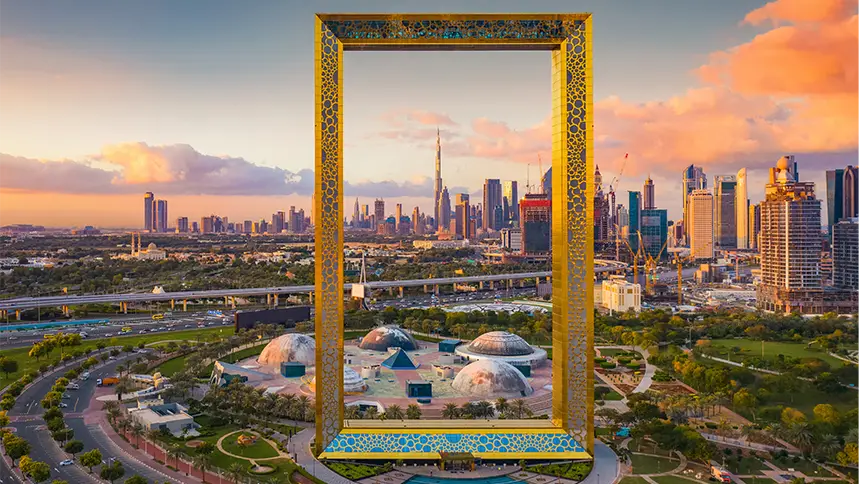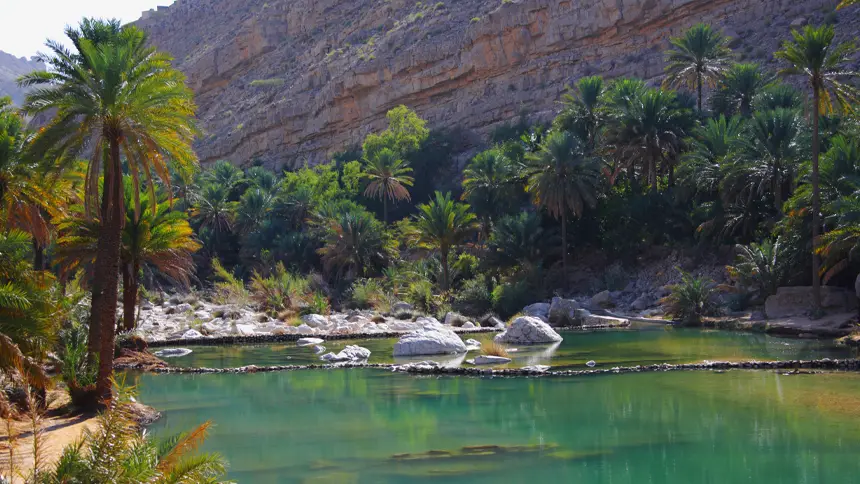
The United Arab Emirates is widely known for tall towers, luxury hotels, and futuristic projects. Yet behind the modern image lies another side, quiet valleys, cool springs, green oases, and peaceful mountain pools. These natural spots offer relief from heat, space to reflect, and a chance to see landscapes shaped long before any city existed. Many travellers remain unaware of these places, making them perfect for visitors who enjoy nature, calm scenery, and local heritage.
Why Hidden Springs and Oases Matter
Hidden springs and oases have played a vital role in the region long before modern development, serving as sources of water, shaded gathering spots, and safe resting places for people and animals. Today, they still preserve traditional lifestyles, support rich wildlife, and offer cool, peaceful environments away from busy city life. These natural spaces also reveal how earlier communities adapted to the desert, helping visitors understand how life in the Emirates once revolved around precious water and fertile ground.
Wadi Al Bih – Ras Al Khaimah’s Quiet Mountain Escape
Wadi Al Bih, often called the “Grand Canyon of the UAE,” sits in the northern mountains of Ras Al Khaimah and offers a peaceful escape for nature lovers. Beyond its popular climbing routes and scenic drives, the valley hides small spring-fed pools, sunlit rock formations ideal for photos, and refreshing cool air drifting from high cliffs. Visitors can also spot traditional stone houses that reflect how families once lived in this rugged landscape.
What travellers can do
- Walk along gentle trails.
- Sit beside natural basins and listen to flowing water.
- Watch birds that nest high on the cliffs.
- Learn about old farming systems once used in the area.
Wadi Al Bih is ideal for visitors who enjoy quiet landscapes and scenic views without crowds.
Hatta Springs and Desert Oasis Pockets
Hatta, set in Dubai’s interior, is known for its dam and striking mountain scenery, but it also hides small springs and quiet oasis pockets fed by underground channels. The area enjoys a cooler climate than coastal cities, offering clear rock-lined pools, traditional date plantations sustained by ancient falaj systems, and heritage villages that reveal what desert life looked like long before modern development.
Activities to try
- Light hikes that lead to hidden water sources.
- Visits to farms where travellers can see traditional irrigation.
- Picnics beside shaded pools.
- Simple photography sessions capturing reflections in calm water.
The contrast between dry mountains and crystal water makes Hatta charming for nature lovers.
Ain Al Ghamour – A Secret Spot in Fujairah
Ain Al Ghamour, hidden deep within Fujairah’s inland landscape, is a little-known thermal spring that offers a peaceful natural escape. Warm mineral water flows through rocky ground, palm groves provide cool shade, and untouched sandy paths create a serene atmosphere, making it an ideal spot for visitors seeking quiet relaxation away from busy coastal areas.
Why travellers enjoy it
- The warm water feels soothing.
- There are fewer visitors compared to major attractions.
- The surrounding area is perfect for short walks.
- The setting offers a blend of mountain and desert scenery.
Ain Al Ghamour remains one of the quietest natural spots in the eastern region.
Liwa Oasis – A Historic Desert Wonderland
Liwa, one of the largest oases in the Arabian Peninsula, sits along the edge of the vast Empty Quarter desert, a region known for its towering, shifting dunes. Beyond its dramatic scale, the oasis hides smaller natural wells and springs surrounded by palm groves, along with old forts that once protected vital water sources and villages shaped by traditional farming life.
Experiences for visitors
- Walks through shaded date farms.
- Visits to ancient structures that tell stories of tribal history.
- Drive across small sandy tracks to reach hidden wells.
- Stargazing in one of the darkest skies in the region.
Liwa combines cultural history with breathtaking desert views.
Al Ain’s Underground Water Channels and Historic Springs
Al Ain, known as the “Garden City,” is home to lush parks and historic oases supported by hidden springs and falaj channels that flow beneath the ground. These waterways feed cool, shaded palm-lined paths, traditional mud-brick homes, and quiet corners where ancient channels still run, bringing life to gardens and farmlands across the old settlements.
Why visitors should explore them
- The layout of the oases explains how early communities survived.
- The falaj system is recognised as a UNESCO heritage tradition.
- The cool environment feels refreshing even during warm months.
- The area allows slow walking, reflection, and calm observation of local nature.
For travellers wanting a mix of culture and greenery, Al Ain’s oases are unmatched.
Wadi Shawka – A Blend of Pools and Hiking Paths
Wadi Shawka in Ras Al Khaimah comes alive after rainfall, when natural pools gather across the valley, turning it into one of the region’s loveliest hiking areas. Visitors can climb stair paths to scenic viewpoints, admire sunlit pools, walk across family-friendly rocky trails, and enjoy picnics surrounded by rolling hills and peaceful valleys.
Best things to do
- Sunrise walks before temperatures rise.
- Photography near the pools.
- Watching mountain goats on nearby slopes.
- Exploring small farms in the surrounding villages.
Wadi Shawka is a perfect mix of gentle adventure and natural beauty.
Masfout Springs – Ajman’s Mountain Surprise
Masfout, an inland part of Ajman surrounded by mountains, offers a refreshing escape with its small springs flowing through calm valleys. Clear water runs over smooth stones, green patches flourish along the stream, and welcoming local communities add warmth to the area, which is perfect for slow, peaceful walks.
Why is this area appealing?
- It feels untouched and calm.
- The scenery is different from the main city.
- The springs attract birds and butterflies.
- The climate is slightly cooler due to higher elevation.
Masfout offers a gentle, relaxing escape for visitors who want nature without long travel.
Jebel Hafeet Streams – Natural Water Near the Border
On the slopes of Jebel Hafeet, one of the nation’s tallest peaks, small seasonal streams appear after rainfall and form brief yet beautiful pools. Water trickles through rocks, little pockets of greenery emerge, and dramatic cliffs frame the scene, offering stunning viewpoints, especially at sunset.
What visitors enjoy
- The mix of mountain air and gentle water sounds.
- Short hikes suitable for families.
- Stunning photography during sunrise.
- Observing local wildlife and exploring the pools.
Even though the streams do not last all year, they bring life to the mountain whenever they appear.
Tips for Visiting Natural Springs and Oases
Travelling to these locations requires care and respect for the environment.
Practical advice
- Carry enough drinking water.
- Wear supportive shoes for rocky ground.
- Avoid leaving any waste behind.
- Check weather conditions before hiking.
- Respect privacy if springs are near villages.
- Avoid disturbing plants and wildlife.
- Use marked paths whenever possible.
Following these guidelines keeps the areas safe for future travellers.
Conclusion
The Emirates may be famous for modern architecture and beach resorts, but the country’s real charm often lies in its hidden natural corners. Springs, oases, and mountain pools reveal history, culture, and landscapes shaped by time and nature. These places show how communities once lived with limited resources and how they built their settlements around water, shade, and fertile ground.
For travellers seeking beauty, calm, and a deeper connection with the land, these natural spots offer memorable experiences. Each spring or oasis brings its own story, some shaped by mountains, others by ancient farms, and many untouched for centuries. Exploring them adds richness to any trip and opens the door to understanding the quieter side of the Emirates.