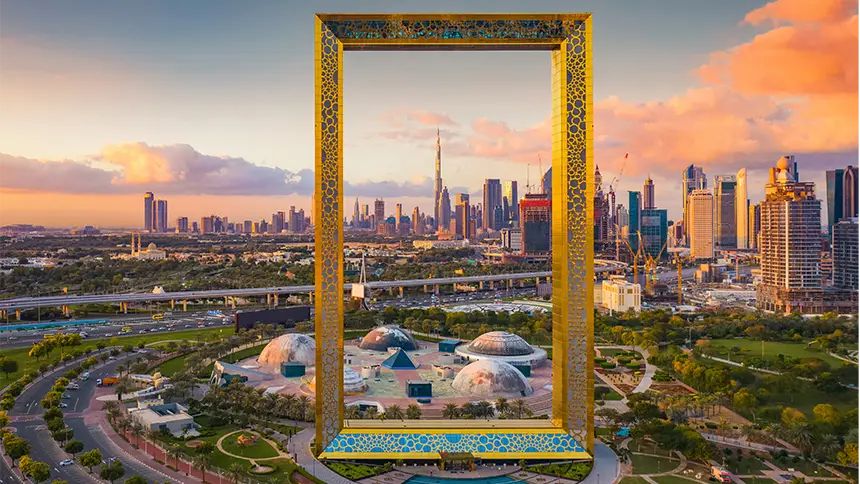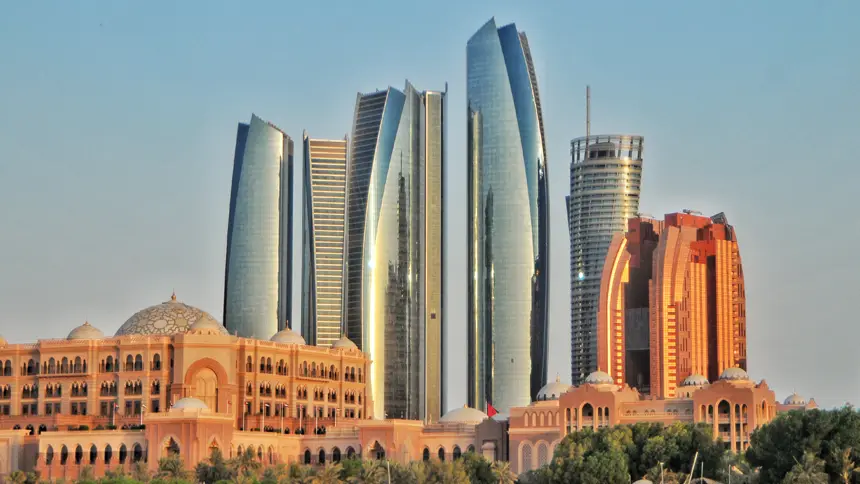
Tourism plays an important role in building the global image of modern cities, and the United Arab Emirates has used tourism effectively to promote its international reputation. Cities like Dubai and Abu Dhabi attract millions of tourists every year through impressive attractions, luxury hotels, and world-class infrastructure. Dubai is famous for its modern skyline, large shopping malls, and landmarks such as Burj Khalifa, the tallest building in the world. Abu Dhabi, the capital of the UAE, is known for cultural attractions like the beautiful Sheikh Zayed Grand Mosque and world-class museums. The UAE welcomed over 25 million international visitors in recent years, showing the strong growth of its tourism sector. Through global events, advanced transport systems, and strong tourism marketing, these cities have built a positive international image. As a result, tourism not only supports the economy but also helps present the UAE as a modern, safe, and attractive destination for travellers, investors, and businesses around the world.
Iconic Landmarks and Architectural Marvels
Iconic landmarks and impressive architecture play a major role in strengthening tourism in Dubai and Abu Dhabi, helping both cities build a powerful global image. Dubai is famous for modern engineering wonders such as the Burj Khalifa, which stands at about 828 metres and is the tallest building in the world. Another remarkable attraction is the Palm Jumeirah, a man-made island shaped like a palm tree and home to luxury resorts and hotels.
These developments, together with Dubai’s futuristic skyline, attract millions of visitors each year. In Abu Dhabi, cultural and architectural beauty is highlighted by the magnificent Sheikh Zayed Grand Mosque, one of the largest mosques in the world, and the internationally recognised Louvre Abu Dhabi. Along with elegant waterfront developments and modern city planning, these landmarks create strong visual identities that attract global media attention and promote the UAE as a leading international tourism destination.
Luxury Hospitality and Premium Experiences
Luxury hospitality and premium travel experiences play an important role in strengthening tourism in Dubai and Abu Dhabi. Both cities are known around the world for their five-star hotels, luxury resorts, and excellent customer service. Dubai is famous for its ultra-luxury tourism and extravagant experiences, including iconic hotels such as Burj Al Arab, which is often described as one of the most luxurious hotels in the world. Visitors can also enjoy high-end shopping at places like The Dubai Mall, one of the largest shopping centres globally.
In Abu Dhabi, travellers experience refined comfort through luxury resorts, elegant beach clubs, and premium restaurants. Attractions such as Emirates Palace highlight the city’s focus on sophisticated hospitality. VIP travel services, private tours, and world-class dining further enhance the visitor experience. These luxury tourism offerings attract wealthy travellers and international celebrities, helping both cities build a strong global reputation as leading luxury tourism destinations.
Hosting International Events and Festivals
Hosting international events and festivals plays an important role in promoting tourism and strengthening the global image of Dubai and Abu Dhabi. These cities regularly organise major global events that attract visitors, media attention, and business leaders from around the world. Dubai is well known for large-scale entertainment and business events such as Expo 2020 Dubai, which welcomed millions of visitors and showcased innovation, culture, and technology.
The city also hosts global conferences, trade shows, and international film festivals that support tourism growth. Abu Dhabi is famous for prestigious cultural and sporting events like the Abu Dhabi Grand Prix, held at the Yas Marina Circuit, which attracts thousands of motorsport fans every year. In addition, both cities host art exhibitions, music festivals, and global sports competitions. These international events help promote the UAE as a vibrant tourism destination while strengthening its reputation as a global hub for culture, entertainment, and business.
Cultural Tourism and Heritage Promotion
Cultural tourism plays an important role in promoting the rich heritage and traditions of the United Arab Emirates, especially in Abu Dhabi and Dubai. In Abu Dhabi, strong efforts are made to preserve and promote Emirati culture through museums, art galleries, traditional architecture, and cultural festivals. Famous attractions such as the Louvre Abu Dhabi and the historic Qasr Al Hosn allow visitors to learn about the country’s history and artistic heritage.
Dubai also highlights cultural tourism by combining traditional experiences with modern attractions. Visitors can explore heritage sites like Al Fahidi Historical Neighbourhood, enjoy exciting desert safari adventures, and shop in traditional markets such as the Dubai Gold Souk. Cultural festivals, music events, and art exhibitions further celebrate local traditions. This unique blend of culture and modern lifestyle strengthens the UAE’s global cultural identity and attracts tourists who are interested in history, heritage, and authentic travel experiences.
Advanced Infrastructure and Connectivity
Advanced infrastructure and strong transport connectivity play a key role in supporting tourism growth in Dubai and Abu Dhabi. Both cities have invested heavily in modern facilities to make travel easy, safe, and comfortable for millions of visitors each year. Dubai is home to Dubai International Airport, one of the busiest airports in the world for international passengers, while Abu Dhabi is served by the modern Zayed International Airport.
Efficient public transport systems, including the Dubai Metro, help tourists move around the city easily. Both cities are also developing smart city technologies, modern highways, and luxury cruise terminals to improve visitor experiences. Dubai focuses on large-scale tourism capacity with massive shopping malls, hotels, and entertainment centres, while Abu Dhabi is known for its spacious roads, organised city planning, and peaceful environment. These developments strengthen the UAE’s reputation as a modern, well-connected, and tourist-friendly destination.
Digital Marketing and Global Branding
Digital marketing and global branding play a major role in promoting tourism in Dubai and Abu Dhabi. Both cities use modern online strategies to attract international visitors and build a strong global tourism image. Tourism authorities such as Dubai Department of Economy and Tourism and Department of Culture and Tourism – Abu Dhabi promote destinations through social media campaigns, travel websites, and global advertising.
Influencer collaborations and travel bloggers also help showcase famous attractions like Burj Khalifa and Sheikh Zayed Grand Mosque to millions of online viewers. In addition, both cities participate in international tourism exhibitions and global travel fairs to promote their attractions. Dubai is well known for bold and creative marketing campaigns that highlight luxury and innovation, while Abu Dhabi focuses on promoting culture, heritage, and elegance. These digital strategies increase global awareness and help attract tourists from different parts of the world.
Sustainable Tourism and Future Vision
Sustainable tourism has become an important part of building a positive global image for Abu Dhabi and Dubai. Both cities are introducing eco-friendly initiatives to protect the environment while continuing to grow their tourism industries. These initiatives include green hotels and resorts, eco-friendly tourism projects, wildlife conservation programmes, and sustainable urban planning. In Abu Dhabi, projects such as Masdar City promote renewable energy, clean transport, and environmentally responsible living.
Dubai is also investing in innovative green technologies and clean energy projects like the Mohammed bin Rashid Al Maktoum Solar Park, one of the largest solar parks in the world. Many hotels in both cities are reducing waste, saving water, and using renewable energy to support sustainable tourism. These efforts show the UAE’s long-term vision of balancing economic growth with environmental protection, helping the country build a responsible and forward-looking tourism image worldwide.
Conclusion
Tourism plays a vital role in shaping the international image of Dubai and Abu Dhabi. Through iconic landmarks, luxury hospitality, cultural attractions, international events, and advanced infrastructure, both cities have become major global tourism destinations. Dubai is widely recognised for its modern architecture, entertainment, and innovative tourism experiences, while Abu Dhabi highlights cultural heritage, elegance, and sustainable development. Attractions such as the Burj Khalifa and the Sheikh Zayed Grand Mosque attract millions of visitors and strengthen the global reputation of the UAE. In addition, digital marketing, international events, and sustainable tourism initiatives continue to enhance their international appeal. As a result, tourism not only supports economic growth but also helps present the United Arab Emirates as a modern, safe, and culturally rich destination that successfully blends tradition with innovation.